Chaos and Escape Attempts as Syrian Army Assumes Control of Notorious al-Hawl Camp
Syrian Army Takes Over al-Hawl Camp Amid Chaos and Escapes

Chaos and Escape Attempts as Syrian Army Assumes Control of Notorious al-Hawl Camp

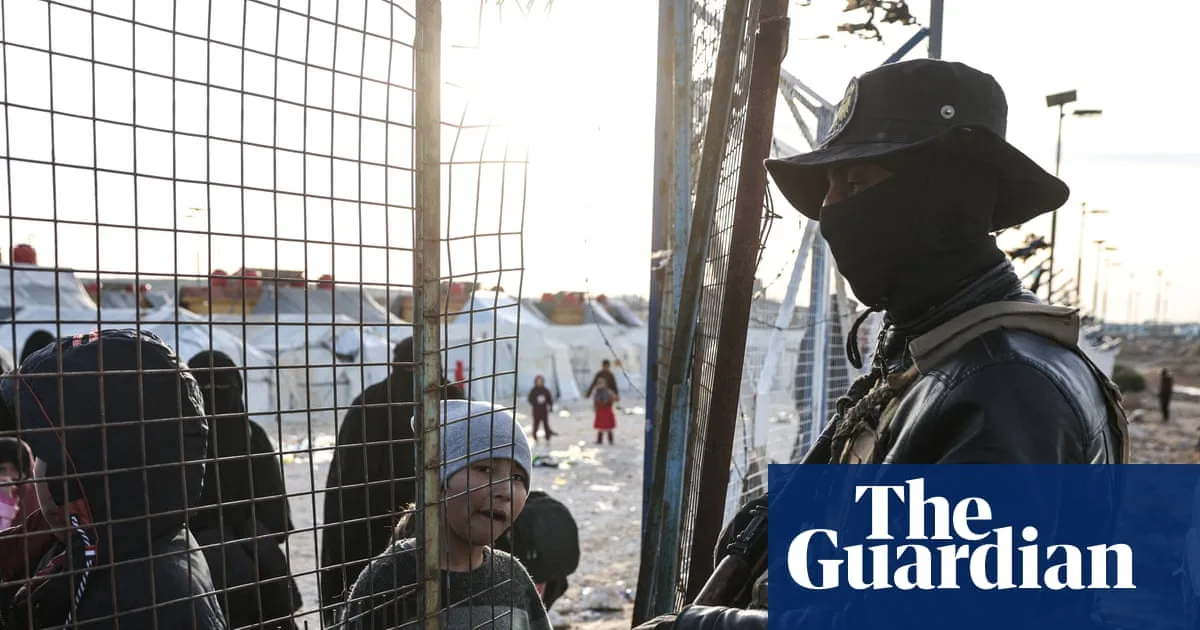
Security guards, more accustomed to combat than childcare, are struggling to keep children within the confines of the al-Hawl detention camp in north-east Syria. In recent days, numerous youngsters have attempted daring escapes, highlighting the volatile situation as control of the facility shifts hands.

Sudden Transition Sparks Turmoil

Life inside al-Hawl, the vast detention facility in the remote Syrian desert housing at least 24,000 suspected Islamic State members from 42 countries, had remained nightmarishly static since 2019. However, on Monday, time at this immense prison camp lurched back into motion with dizzying speed.

Camp residents watched in amazement as their Kurdish prison guards suddenly disappeared. Hours later, unfamiliar fighters arrived, announcing that al-Hawl was now under the control of Syria's government in Damascus. This transition occurred as Syrian government forces swept through north-east Syria, wresting control of more than half of the territory previously held by Kurdish forces for a decade.

Escalating Unrest and Dire Conditions

The Syrian government inherited a place in chaos. As Kurdish forces withdrew, women and children held in the foreigners' annex began cutting through fence wiring in escape attempts. Meanwhile, in sections holding Syrian and Iraqi residents, riots erupted, with protesters setting a bakery alight while demanding release.

Essential services have collapsed dramatically. "We haven't had bread in the camps for two days. Today there is no water," said Um Mohammed, a 38-year-old camp resident originally from Idlib, through the fence. Her 10-year-old daughter has been detained since age two, emblematic of the camp's semi-permanent nature.

Jihan Hanan, the director of al-Hawl camp who left with Kurdish forces, described the deteriorating situation: "The situation is very bad and has descended into chaos. There needs to be a plan in place." She is considering seeking asylum abroad amid safety concerns following reports of IS members escaping from regional camps and prisons.

International Concerns and Human Rights Violations

The world watches nervously as Syria's new government, led by former jihadist fighters and just over a year old, assumes responsibility for the world's largest IS prison camp of its kind. Al-Hawl has long represented an anathema to Hayat Tahrir al-Sham (HTS), the Islamist rebel group whose former leaders now form Syria's government, viewed as a profound injustice within their collective imagination.

Originally intended as a temporary solution to house people living under IS rule, al-Hawl has morphed into a semi-permanent city where residents languish under conditions described as inhumane by human rights groups. Many detainees, including numerous children, have no access to due process, with no end in sight to their indefinite detention.

Complex Demographics and Ideological Challenges

The camp's population presents extraordinary challenges. Many Syrian residents have no connection to IS beyond having lived in areas the group controlled before being displaced by fighting. Meanwhile, foreign residents, particularly women and children, are considered among the most extremist, with Kurdish authorities alleging they perpetuate IS ideology and raise children to become the next generation of fighters.

This ideological indoctrination manifests in disturbing interactions. A young teenager questioned a Syrian government soldier: "Are those cigarettes in your pocket, do you drink [alcohol]? We just got rid of the Kurds, and now you're not even Muslims?" Another child, Ali of Turkmen origin, declared his dream was to "go to war" upon release.

Government Response and Future Uncertainties

Syria's government insists it will safeguard those inside and prevent escapes, coordinating with the US-led International Coalition on camp management while appealing to international organisations to restart essential services. Authorities plan to accelerate releases of Syrian and Iraqi individuals without substantive evidence against them.

However, the task remains daunting, particularly with the prospect of renewed offensives against Kurdish authorities. If Damascus extends control further, it would assume responsibility for prisons housing hardened IS fighters and detention facilities holding minors brought to IS territory as children. The International Coalition has already announced plans to transfer over 7,000 individuals with IS links to Iraq, anticipating further Syrian advances.

Security forces express conflicting sentiments. One officer, overwhelmed by children's frequent escape attempts, acknowledged: "I get it, if I had been stuck in this camp for years, I would also want to escape. They were oppressed here. Their countries have to take them back." Yet rows of security officers march determinedly around the camp perimeter, eager to demonstrate their capability.

Enduring Humanitarian Crisis

As families with relatives inside head en masse to the gates after years of isolation, and NGOs withdraw along with prison guards, the humanitarian crisis deepens. The market has mostly emptied, leaving residents tense and afraid. They crowd camp gates, appealing to riot-gear clad police while black smoke billows from the burning bakery behind them.

Um Mohammed encapsulates the complex sentiments: "We welcome the Syrian government, but they should open the camp gates. We want to see our families, it's been so long." Meanwhile, Turkmen children stand patiently with backpacks stuffed with belongings beside a gaping fence hole, waiting to be smuggled out as security officers watch warily.

The al-Hawl camp represents one of the most intractable legacies of the conflict against Islamic State, where geopolitical maneuvering, security concerns, and profound human suffering intersect with no clear resolution in sight.