Sudan War: RSF Drone Strike Kills 24 Displaced Civilians, Including Eight Children
Sudan: RSF Drone Attack Kills 24 Displaced People, Including Children

Sudan Conflict Escalates as RSF Drone Strike Claims 24 Lives Among Displaced Families

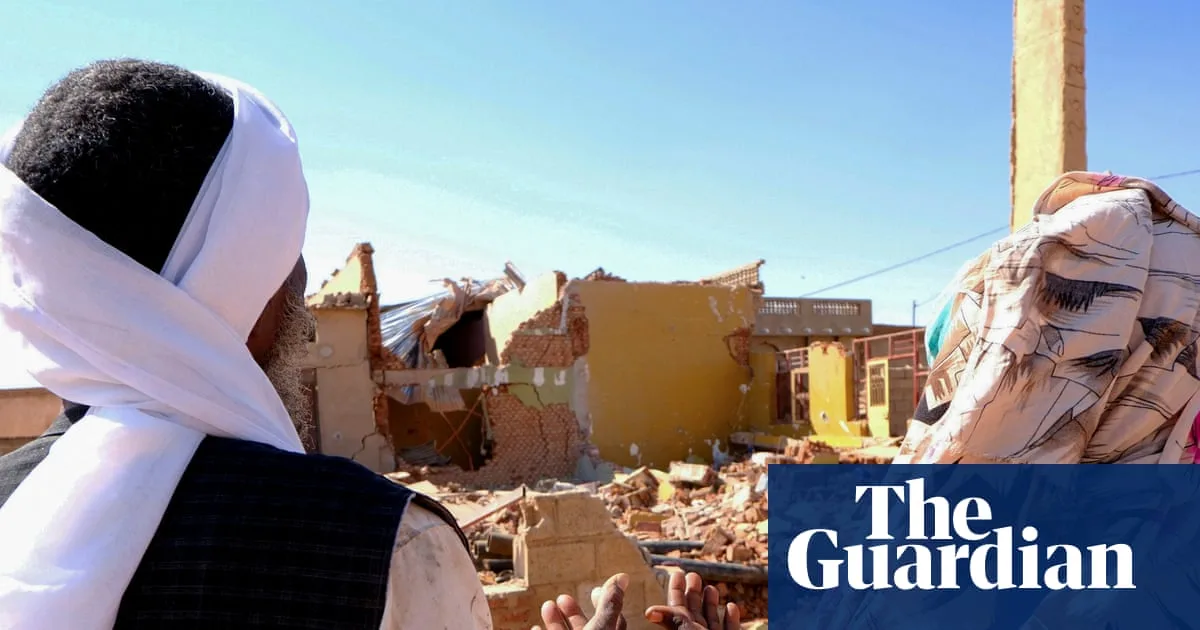
A devastating drone attack carried out by the paramilitary Rapid Support Forces (RSF) has resulted in the deaths of at least 24 displaced civilians in central Sudan, according to reports from the Sudan Doctors Network. The tragic incident, which occurred near the city of Er Rahad in North Kordofan province, specifically targeted a vehicle transporting families who had fled ongoing hostilities in the Dubeiker area. Among the fatalities were eight children, including two infants, highlighting the severe impact of the conflict on vulnerable populations.

International Outcry and Humanitarian Catastrophe

The Sudan Doctors Network, an organization monitoring the war, issued a statement condemning the attack as a flagrant violation of international humanitarian law and a potential war crime. They urgently called upon the international community and human rights organizations to take immediate action to protect civilians and hold the RSF leadership accountable for these egregious violations. Several wounded individuals were transported to Er Rahad for medical treatment, but the region faces critical shortages of medical supplies, exacerbating the suffering of those affected.

This attack follows another alarming incident on Friday, where a World Food Programme (WFP) aid convoy in North Kordofan was struck by a drone, resulting in one death and multiple injuries. Denise Brown, the UN humanitarian coordinator in Sudan, confirmed that the convoy was en route to deliver life-saving food assistance to displaced people in El Obeid when it was hit, destroying the trucks and vital aid supplies. Brown emphasized that such attacks severely undermine efforts to address hunger and displacement in the region.

Global Condemnation and Escalating Violence

International reactions have been swift and forceful. Saudi Arabia's foreign ministry released a strongly worded statement on Saturday, blasting the RSF for recent drone strikes, including those on displaced families, the WFP convoy, and a hospital in Kordofan that killed 22 people. The statement called for an immediate cessation of attacks on civilians and aid convoys, while indirectly referencing foreign parties accused of supplying illegal arms and fighters, such as the United Arab Emirates, which has denied these allegations.

On social media platform X, US adviser for African and Arab affairs Massad Boulos condemned the destruction of food aid and the killing of humanitarian workers, labeling it sickening and demanding accountability. Similarly, British minister for international development and Africa Jenny Chapman described the attack on the WFP convoy as disgraceful, stressing that aid workers and humanitarian operations should never be targeted, especially as civilians face starvation.

Deepening Humanitarian Crisis and Famine Threats

The war in Sudan, which erupted in April 2023 from a power struggle between the military and the RSF, has plunged the country into chaos, resulting in tens of thousands of deaths and millions displaced. According to UN figures, over 40,000 people have been killed, though aid groups warn this is a significant undercount. The conflict has created the world's largest humanitarian crisis, with more than 14 million people forced to flee their homes, fueling disease outbreaks and pushing parts of the nation into famine.

A recent report from the Integrated Food Security Phase Classification (IPC) revealed that famine has been confirmed in two additional areas in Darfur, following an earlier confirmation in a displacement camp in August 2024. The report projects a worsening of acute malnutrition, with cases among children under five and pregnant or breastfeeding women expected to rise from 3.7 million in 2025 to nearly 4.2 million in 2026. Severe acute malnutrition, the deadliest form, is anticipated to increase to 800,000 cases, up 4% from 2025.

Mohamed Abdiladif, the country director for Save the Children in Sudan, highlighted the dire situation, noting that children are already dying from hunger-related causes in many regions. He shared heartbreaking accounts of parents selling their last possessions merely to keep their children alive from day to day, underscoring the urgent need for international intervention and sustained humanitarian support.