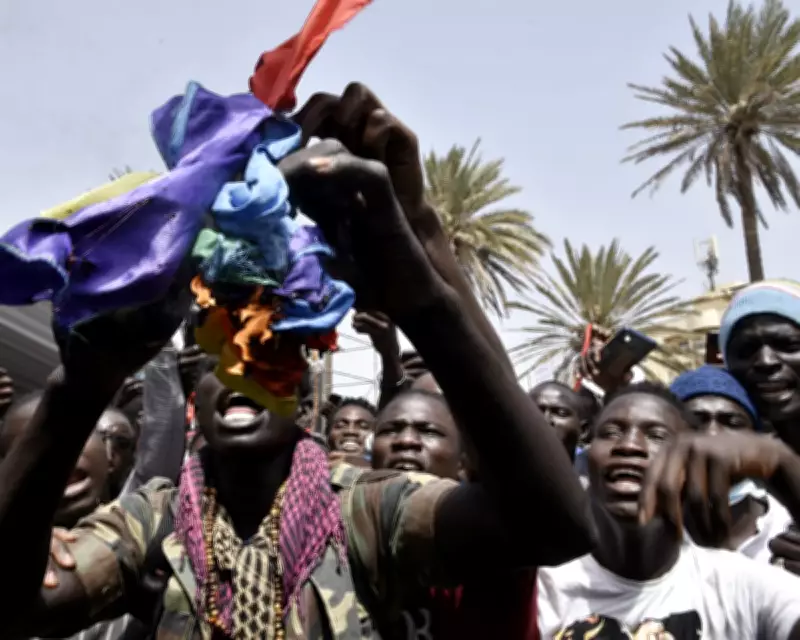
Senegal's Anti-Gay Legislation Sparks Health Crisis Fears
In a move that has sent shockwaves through the global health community, Senegal has enacted a stringent new anti-gay law, raising alarms among experts who warn it could reverse significant strides made in HIV prevention and care. The legislation, which imposes severe penalties on same-sex relationships, is seen as a direct threat to public health initiatives that have long relied on trust and inclusivity to combat the virus.
Impact on HIV Prevention Efforts
Over the past decades, Senegal has been hailed as a success story in sub-Saharan Africa for its proactive approach to HIV, with infection rates kept relatively low through comprehensive education, testing, and treatment programs. However, this new law risks driving the LGBTQ community underground, making it harder for health workers to reach vulnerable populations with essential services. Fear of prosecution may deter individuals from seeking testing or treatment, leading to undiagnosed cases and increased transmission.
Expert Warnings and Global Concerns
Health professionals and human rights advocates have voiced urgent concerns, noting that discrimination and stigma are key drivers of HIV spread. This law not only violates basic human rights but also jeopardizes public health gains, said one international health official. The situation highlights a troubling trend where political measures undermine medical progress, potentially causing a surge in infections and straining Senegal's healthcare system.

Broader Implications for Society
The repercussions extend beyond health, affecting social cohesion and economic stability. As Senegal grapples with this controversial policy, the international community watches closely, with calls for a repeal to protect both human dignity and health outcomes. Without swift action, the hard-won progress in HIV management could be lost, setting a dangerous precedent for other regions.