Rohingya Refugees Face Toxic Cooking Crisis as LPG Aid Funding Dries Up
In the sprawling Rohingya refugee camps of Bangladesh, a critical lifeline is fraying. Aid cuts are forcing ethnically-cleansed refugees from Myanmar to confront a grim choice: return to cooking over toxic flames or pull children out of school to scavenge for firewood all day. This dire situation threatens not only human lives but also the fragile local environment.
A History of Hardship and a Brief Respite
Four years ago, the United States officially recognised the genocide of the Rohingya people, sparking international aid efforts. Today, refugees like Ajas Khan, a survivor from Rakhine state, Myanmar, are pleading for the world to reaffirm that commitment. Khan recalls playing football and dreaming with friends as a child, only to see his village burned and his people targeted by Myanmar’s military junta. He fled with his family and over 750,000 others to Cox’s Bazar district in Bangladesh, carrying nothing but pain and loss.
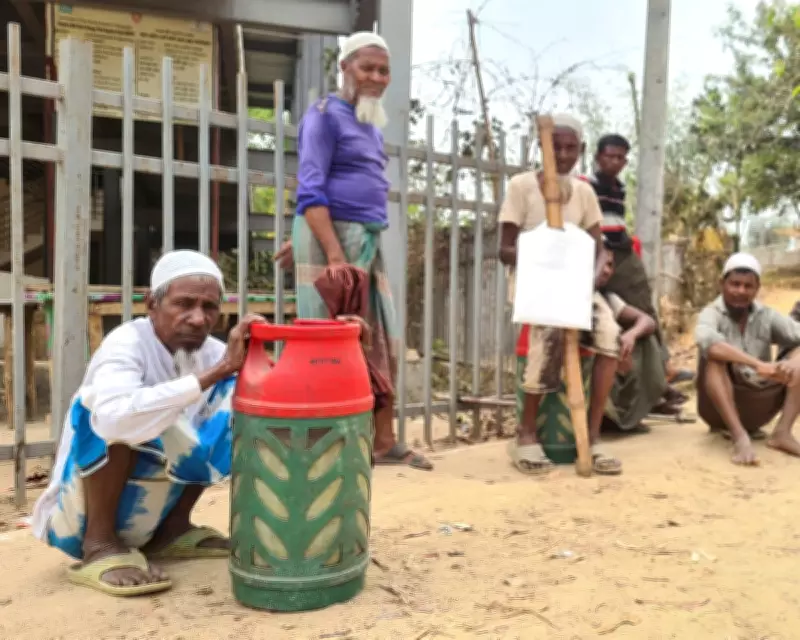
Initially, aid agencies poured hundreds of millions into basic survival in the camps, but cooking fuel was overlooked. Refugees resorted to using plastic bags, donated clothes, and wood from the nearby Teknaf forest. This led to severe deforestation, tensions with local communities, and kept Rohingya children out of school as they were tasked with collecting firewood. In 2018, a turning point came when the UN High Commissioner for Refugees and the International Organisation for Migration began providing liquefied petroleum gas (LPG) across the camps, alleviating many of these issues.

Funding Cuts and a Looming Catastrophe
Now, as international aid resources tighten, funding for LPG has faltered again. In 2024, the US was the largest donor to the Rohingya Joint Response Plan, contributing nearly $145 million. However, in 2025, US spending was slashed by almost a third to $100.7 million, dropping the plan’s funding from 68% to 46%. Urgent life-saving services were prioritised, leaving LPG funding strained and vulnerable.
Last July, a UNHCR spokesperson warned that without immediate funds, LPG would run out. While nations like China and South Korea have stepped in with assistance, their plans are limited. China’s support lasts only until October and excludes over 80,000 households, while South Korea’s aid covers just 17 out of 33 camps. Without further support, refugees will be forced back to using firewood, plastic, or other waste for cooking, reigniting environmental and social crises.
The Broader Impact and Practical Solutions
The financial importance of investing in the Rohingya extends beyond immediate savings. Cuts disrupt the fragile natural and social environment, drastically increasing future restoration costs. Joe Phillips, a country director at Amideast, a US development charity, notes that as donor funding dries up, shocks like bad weather or economic challenges will hit refugees harder, potentially costing lives.
Alternative fuels such as electricity or biogas have been considered, but a 2025 study by the International Centre for Diarrhoeal Disease Research in Bangladesh and Stanford University found these solutions difficult to implement due to limited land and infrastructure in the camps. Micro-grids and small-scale biogas systems are costly and untested in humanitarian settings. LPG, while not pollution-free, offers a practical solution with emissions far lower than the deforestation and toxic burning caused by makeshift fuels.
A Call for Hope and Dignity
For Khan, who completed high school in the camps and founded the Rohingya Green Nature Society to promote sustainability and education, restoring LPG is a simple yet transformative step. It ensures the next generation does not have to choose between gathering firewood and attending school. In a world where Rohingya are prohibited from work or higher education in Bangladesh, this basic support is crucial for maintaining dignity and hope.
Restoring the LPG programme is not just about fuel; it’s about preventing a return to darkness and preserving a fragile ecosystem. As Khan emphasises, sometimes the simplest ideas can make the biggest change, saving lives, protecting habitats, and fostering a future for a people who have endured too much.