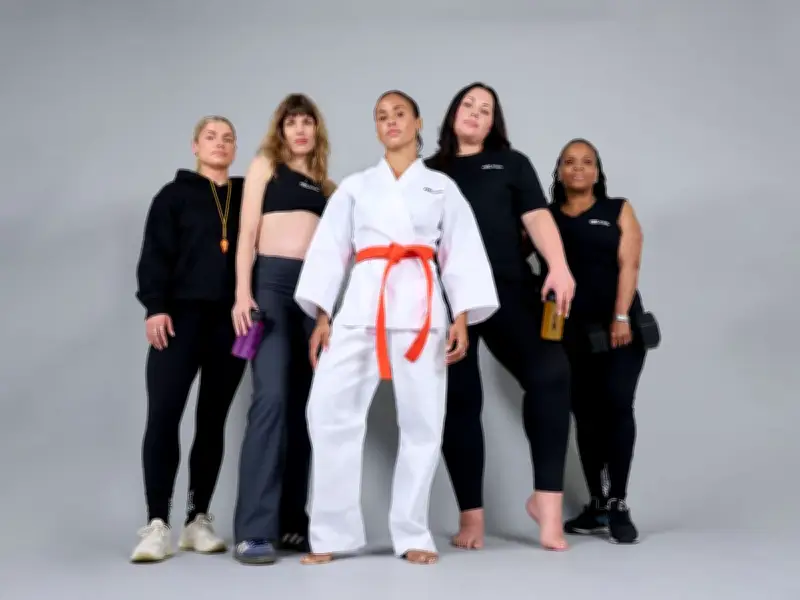
Daily Routines Outrank Workouts as Ultimate Strength Test for Women
A quarter of women in Britain say their greatest test of strength in the past month was maintaining life's routines while exhausted, according to new research from Optimum Nutrition. The STRONG: The Female Strength Report, which surveyed 2,000 women, found that only 8% cited completing a workout as their biggest strength challenge.
The study reveals a fundamental shift in how women define and evaluate strength in 2026. While 45% of women still associate strength with physical power, 47% identified mental strength as the greatest contributor to their overall sense of strength. Almost two-thirds (59%) said they value mental strength more than physical appearance or athletic performance.
Top Strength Challenges: Emotional and Functional Demands Lead
Balancing competing responsibilities was the second most common strength test at 19%, followed by navigating difficult emotional situations at 17%. Further down the list, completing a workout ranked at just 8%. The report, co-authored by Professor Kirsty Elliott-Sale, a leading expert in female physiology and endocrinology, identifies five interconnected dimensions of strength: physical, mental, functional, adaptive and social.
Of those surveyed, 59% define 'strength' as moving through life comfortably and confidently, claiming it is a more meaningful measure of power than lifting maximum weights. The research also shows that strength is not static, with 79% saying their definition changes across different stages of life.
Confidence Gap: Awareness vs. Action
Despite growing awareness, the report highlights a confidence gap between understanding strength and acting on it. While 86% of women recognised that hormonal fluctuations can influence physical and mental strength, only 10% regularly adapt their training or nutrition accordingly. A further 41% make no adjustments at all. Two-thirds (66%) said they are unaware of NHS muscle-strengthening guidelines, despite the role strength plays in supporting mental resilience, adaptability and everyday capability.
The barriers are largely practical rather than motivational. Lack of time was cited by 28% of women, lack of energy by 26%, and not knowing where to start by 25%. Accessibility and education remain key issues, with more than half (57%) believing fitness advertising presents a narrow view of strength.
Functional Strength Underrepresented in Fitness Culture
Of those surveyed, 68% said functional strength remains underrepresented in fitness culture, highlighting the need for more discussions around what strength really means and how to build it. Professor Kirsty Elliott-Sale commented: 'STRONG: The Female Strength Report provides valuable insight into how women define and experience strength today. The findings reinforce that strength is not simply about physical performance, but about enabling women to live capable, healthy and fulfilling lives across every stage of adulthood.'
Emily Campbell, Olympic weightlifter and Optimum Nutrition athlete, added: 'Strength means different things to different people, and that is exactly what this report captures. The report shines a light on the many ways women experience strength in everyday life and encourages all of us, from coaches and athletes to brands and communities, to better recognise, support and celebrate strength in all its forms.'
Supporting Everyday Performance
Alongside the research, Optimum Nutrition says it invests in evidence-based nutrition, including products such as Clear Whey Protein, designed to support recovery and everyday performance. The full findings from the report are available on the Optimum Nutrition website.