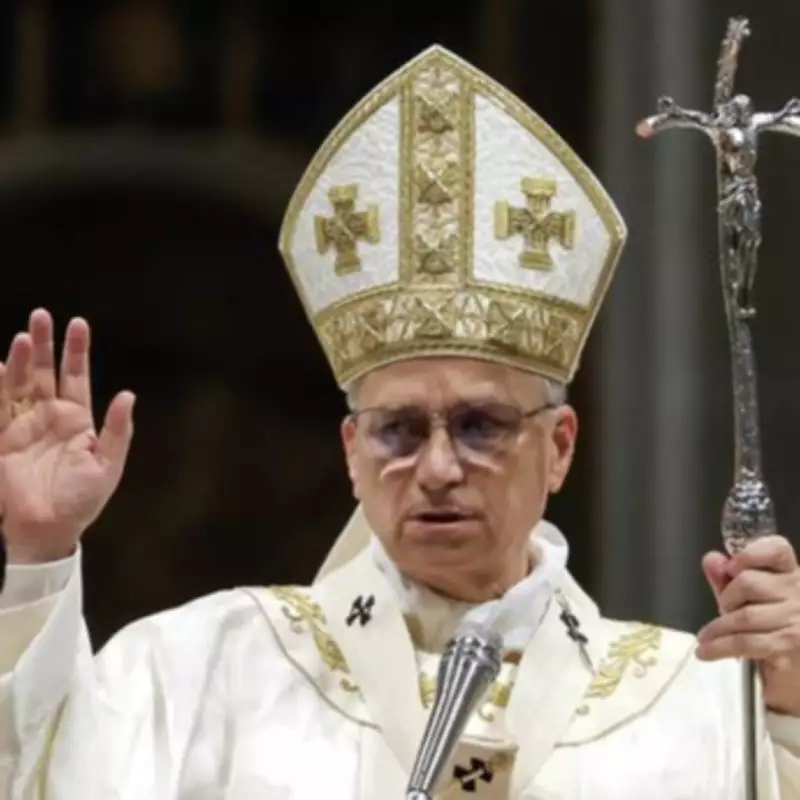
Pope Leo delivered a powerful message during his inaugural Easter Sunday address at the Vatican, strongly criticising what he described as widespread indifference to the tragic loss of life in ongoing global conflicts. The pontiff's remarks, made from the same loggia where his predecessor Pope Francis spoke last year, appeared to contain pointed references to former US President Donald Trump and his administration's foreign policy approaches.
Condemnation of Indifference to War Casualties
During his historic Easter address, Pope Leo expressed deep concern about what he termed "the deaths of thousands of people" in various international conflicts. He specifically highlighted the devastating repercussions of "hatred and division that conflicts sow" and warned about the severe economic and social consequences these wars produce for affected populations worldwide.
Context of Current Global Conflicts
The pontiff's comments came at a particularly tense moment in international relations, with the US-Israeli military campaign against Iran entering its second month and Russia's continued offensive in Ukraine showing no signs of abatement. While Pope Leo did not explicitly name these specific conflicts or political leaders, his condemnation of indifference to wartime casualties carried clear political implications given the current geopolitical landscape.

Historical Continuity with Pope Francis
In his address, Pope Leo quoted directly from his predecessor Pope Francis, who during his final public appearance from the same Vatican balcony last Easter had lamented humanity's "great thirst for death, for killing" that continues to manifest daily in global conflicts. This continuity between pontiffs underscores the Catholic Church's consistent position on matters of war, peace, and human suffering throughout recent papal transitions.
Political Implications and Reception
The timing and content of Pope Leo's Easter message have generated significant international attention, with many observers interpreting his remarks about indifference to war casualties as indirect criticism of Donald Trump's foreign policy legacy. The former American president's approach to international conflicts, particularly his administration's handling of Middle Eastern tensions and relations with Russia, has frequently drawn scrutiny from religious and humanitarian organizations concerned about civilian casualties and regional stability.
Vatican observers note that while papal addresses traditionally avoid naming specific political figures, the contextual references in Pope Leo's Easter message create clear connections to contemporary political realities. The pontiff's emphasis on the moral responsibility to acknowledge and address wartime suffering represents both a spiritual call to action and a subtle political commentary on current international affairs.