Pope Leo XIV's Historic Algerian Pilgrimage to St. Augustine's Homeland
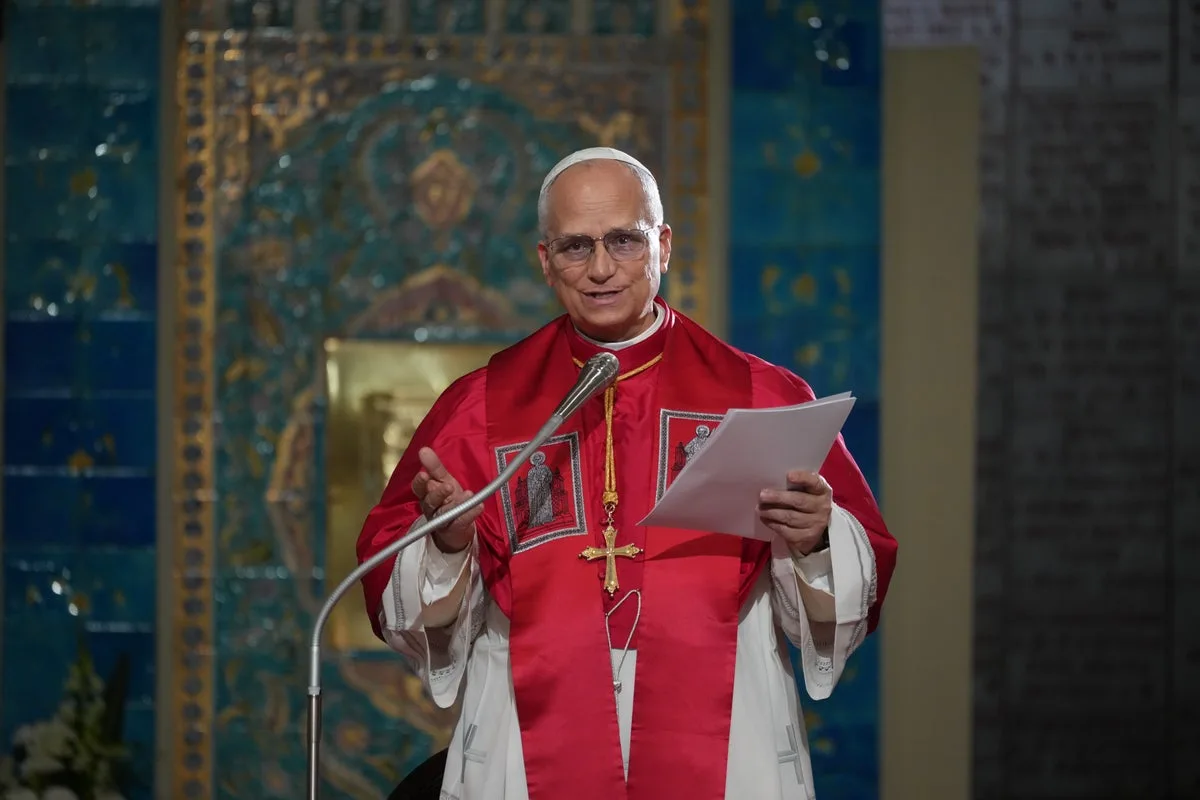
Pope Leo XIV is undertaking a deeply personal pilgrimage to Algeria, following in the spiritual footsteps of his father in faith, St. Augustine. On his second day in the country, the American pontiff visited Annaba, the modern-day location of ancient Hippo, where Augustine lived, died, and authored seminal works of Western Christian thought. This marks the first-ever papal visit to Algeria, occurring against a backdrop of international conflict and Leo's vocal calls for peace, which have sparked tensions with U.S. President Donald Trump.
A Spiritual Homecoming and Bridge-Building Mission
Since his election, Pope Leo XIV has frequently proclaimed himself a "son of St. Augustine," citing the early Church Father's writings extensively throughout his first year as pontiff. For this journey, Leo aims to leverage Augustine's legacy as a bridge-builder, pressing a message of peace and fostering Christian-Muslim coexistence in the region. The visit serves as a spiritual homecoming, emphasizing the North African roots of Augustine, who is often viewed through a Eurocentric lens despite spending most of his life in Africa.
In welcoming the Pope, Algerian President Abdelmadjid Tebboune expressed immense national pride in St. Augustine, describing him as "a cherished son of this land, which having been his first cradle, proudly became his initial resting place." This sentiment underscores the cultural significance of the pilgrimage for Algeria.
Rediscovering Augustine's North African Heritage
St. Augustine was born in 354 AD in Thagaste, present-day Souk Ahras, Algeria, to a Berber mother and Roman father. At that time, North Africa was part of the Roman Empire, with Augustine educated in Carthage, modern-day Tunisia. He left for Rome in 383, converted to Christianity in Milan, and returned to found a monastery in Hippo, where he served as bishop and wrote foundational texts like "Confessions" and "The City of God."
A new scholarly work, "Augustine the African" by Catherine Conybeare of Bryn Mawr College, explores Augustine from his perspective as a North African looking to Rome. Conybeare notes, "One of the most important thinkers in the Western intellectual tradition actually came from Africa, spent almost his whole life in Africa. How does that change things?" She highlights that European successors shaped his legacy, with Augustine's body eventually moved to Pavia, Italy, though a forearm relic remains in Annaba's basilica.
Personal Significance and Interreligious Dialogue
Pope Leo XIV emphasized the profound personal importance of this visit, noting it was originally intended as his first papal journey. He told reporters, "This journey, which is very special for several reasons, was supposed to be the first of my pontificate. As early as last May, I had said that on my first journey, I would like to visit Africa. Several people immediately suggested Algeria because of St. Augustine." Despite delays, he kept the appointment, having previously visited twice as superior of the Augustinian order.
Leo described Augustine as "a very important bridge in interreligious dialogue," stating, "We must always seek bridges to build peace and reconciliation. This journey, then, truly represents a valuable opportunity to continue with the same voice, with the same message, that we wish to convey: to promote peace, reconciliation, respect and consideration for all peoples."
Visiting Historic Sites and Engaging Communities
During his time in Annaba, Pope Leo XIV toured the archaeological ruins of ancient Hippo, including its theatre, market, and thermal baths. The Vatican confirmed the site encompasses the basilica where Augustine preached and an adjoining baptistry. Additionally, Leo visited a local order of nuns and the small Augustinian community in Annaba, concluding the day with a Mass at the Basilica of St. Augustine, built in the late 1800s, which houses the saint's relic. The basilica attracts thousands of pilgrims annually, including many Muslims, symbolizing the interfaith appeal of Augustine's legacy.
This pilgrimage not only honors a spiritual father but also reinforces Pope Leo XIV's commitment to global peace and dialogue, set against the rich historical tapestry of Algeria's Christian heritage.