PNG Launches Cash-for-Guns Amnesty to Curb Tribal Violence Ahead of 2027 Elections
PNG Cash-for-Guns Amnesty Targets Violence Before 2027 Vote

Papua New Guinea Initiates National Firearms Amnesty with Cash Incentives

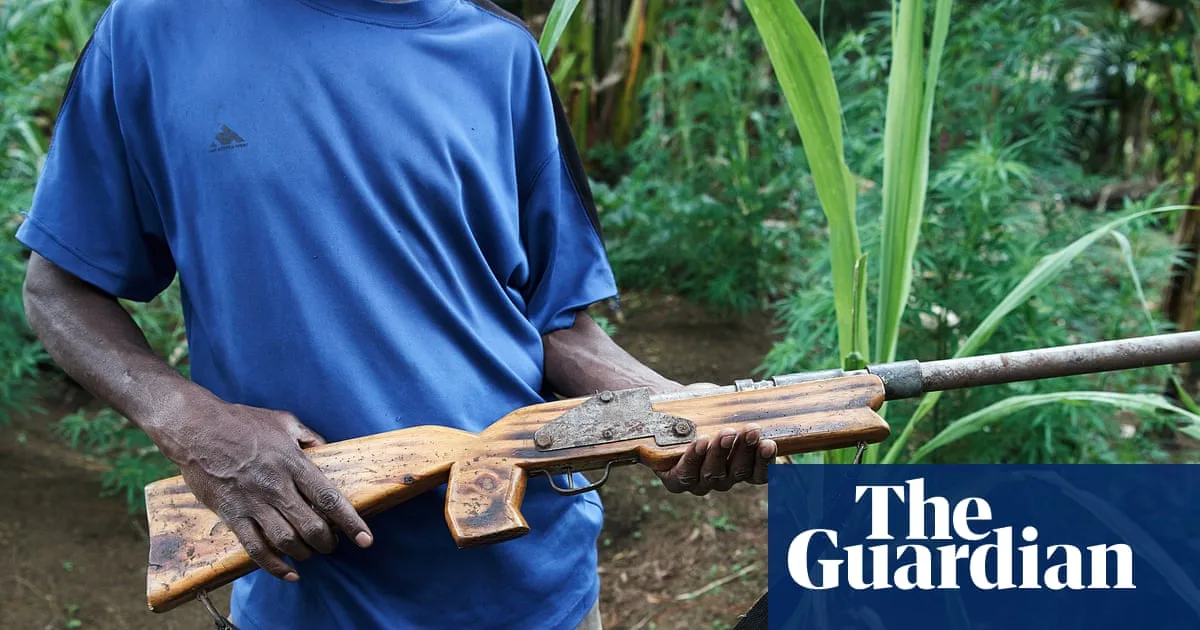
The government of Papua New Guinea has launched a comprehensive gun amnesty and buyback scheme, urging citizens to surrender illegal firearms in exchange for cash payments. This initiative, which commenced on February 27 and will run until late August, forms a critical part of efforts to combat escalating tribal violence and remove tens of thousands of weapons from circulation, particularly in the troubled Highlands region.

A Strategic Push for Peace Ahead of 2027 Elections

Authorities are targeting the clearance of firearms from the Highlands this year, ahead of national elections scheduled for 2027. Historically, these electoral periods have resulted in a significant rise in violence, making this preemptive action a priority for stability. Police Minister Sir John Pundari emphasised that the program is not merely a police operation but a national movement for peace, aimed at preventing massacres and investing in human life.

Cash payments under the buyback scheme vary by province, with the government not specifying exact amounts but indicating that incentives may include support for starting agricultural businesses. This approach seeks to address both the immediate weapon proliferation and underlying economic drivers of conflict.

Escalating Violence and Firearm Proliferation

Violence in the Highlands has intensified in recent years, fuelled by land disputes, longstanding tribal rivalries, political tensions, and a lack of economic opportunities. While tribal fighting has long been part of life in parts of PNG, conflicts have become increasingly deadly as high-powered firearms and explosives like hand grenades have become more readily available. Traditional disputes once resolved with basic weapons now result in mass casualties due to this proliferation.

Prime Minister James Marape highlighted the destructive impact, stating that illegal guns are destroying families, villages, and the future of the people. He warned of strong penalties for those who fail to hand in guns during the amnesty period, promising firm and uncompromising enforcement once it ends.

Statistics and Broader Context

A report by former defence force commander Jerry Singirok, prepared for the UN in 2025, estimates there are about 100,000 illegal guns in PNG. According to a 2025 UNDP report, only about 12% of small arms in the country are legally licensed and registered. Most illegal guns are believed to be funded by external parties and handed to young men to cause fear and chaos.

Pundari noted that tensions remain high in the Highlands, stressing the need for more engagement with tribal leaders, churches, and community groups to address violence. Stabilising areas like Enga is critical not only for local communities but also for the Highlands Highway corridor, which connects the region to the coastal city of Lae and affects transport, trade, and movement.

Criticism and Calls for Lasting Reforms

The deputy opposition leader, Keith Iduhu, criticised the gun buyback program, arguing that swapping illegal guns for business funding undermines crime laws. He urged addressing the firearms crisis through structural reform and law-and-order measures instead.

Singirok acknowledged the amnesty as an important step but warned it is only a temporary measure. He emphasised that without stronger laws and stricter enforcement, such programs would have limited impact, calling for lasting reforms in legislation, enforcement, and oversight to ensure firearms do not continue to endanger communities.

This amnesty is part of a broader government push to restore law and order, including tougher penalties for illegal gun possession. While gun ownership is legal in Papua New Guinea, weapons must be registered and licensed by police, highlighting the gap between legal frameworks and on-the-ground realities.