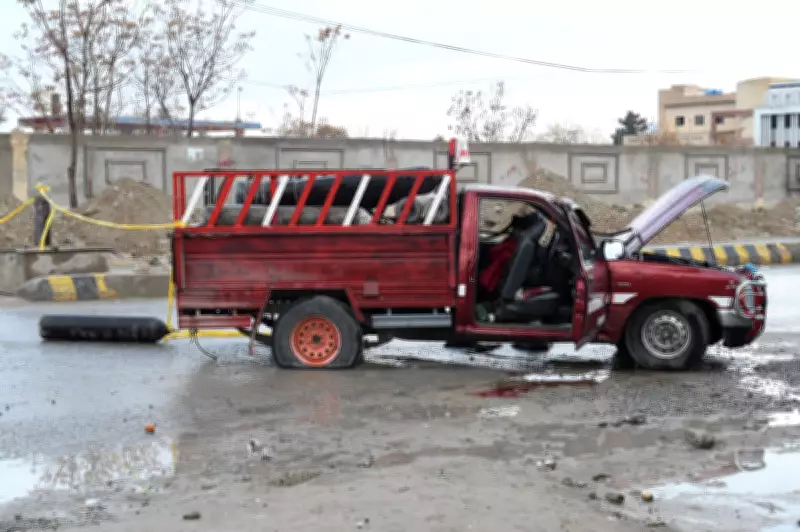
Pakistan's Bloodiest Day in Decades as Baloch Insurgent Attacks Leave Over 120 Dead
Pakistan's military has confirmed that a series of coordinated suicide and gun attacks by Baloch insurgents across the restive south-western province of Balochistan on Saturday resulted in a devastating death toll, with analysts describing it as the deadliest single day for militants in decades.
Coordinated Assault Across Multiple Targets
The attacks, which began almost simultaneously across the province according to provincial health minister Bakht Muhammad Kakar, targeted civilians, a high-security prison, multiple police stations, and paramilitary installations. The military reported that 33 people were killed in the initial assaults, including 18 civilians and 15 security personnel, while security forces responding to the violence killed 92 assailants.
The outlawed Baloch Liberation Army claimed responsibility for the attacks, during which banks were reportedly robbed, a police station and dozens of vehicles were set ablaze, and insurgents attempted to abduct passengers travelling on buses along highways in Pasni and Gwadar districts.

Security Forces Respond with Force
Authorities revealed that at least 133 militants have been killed across Balochistan over the past 48 hours, including the 92 on Saturday. Provincial chief minister Sarfraz Bugti stated on social media that security forces were actively chasing insurgents and noted that at least 700 insurgents had been killed by security forces in the past year alone.
Shahid Rind, a spokesperson for the Balochistan government, claimed most attacks were foiled, though significant damage occurred. In one particularly concerning development, dozens of insurgents attacked a prison in Mastung district, freeing more than 30 inmates according to police reports.
Regional Tensions and Accusations
The military and Pakistan's interior minister Mohsin Naqvi directly accused India of backing the attackers, though New Delhi has consistently denied such allegations in the past. Pakistan has repeatedly asserted that Baloch separatists, the Pakistani Taliban, and other militants are using Afghan soil to launch attacks inside Pakistan, a claim that Kabul denies.
Abdullah Khan, managing director of the Islamabad-based Pakistan Institute for Conflict and Security Studies, told the Associated Press that "terrorists linked to BLA or other groups had never before been killed in such a large number in a single day" in Balochistan.
Broader Context of Balochistan Insurgency
Balochistan has long been the site of a persistent insurgency by separatist groups seeking independence from Pakistan's central government in Islamabad. The Baloch Liberation Army, banned in Pakistan and designated a terrorist organisation by the United States, has been behind numerous attacks in recent years.
The attacks come amid intensified activity by both Baloch separatist groups and the Pakistani Taliban, known as Tehrik-e-Taliban Pakistan, which is a separate group but allied with Afghanistan's Taliban who returned to power in August 2021.
In response to the violence, the government declared an emergency at all hospitals across the province, while Pakistan Railways suspended train services from Balochistan to other parts of the country after insurgents destroyed rail tracks earlier on Saturday.