Oscar-Winning Documentary 'Mr Nobody Against Putin' Reveals Sinister Truth About Russian Propaganda
Oscar Film 'Mr Nobody Against Putin' Exposes Russian Propaganda Machine

Oscar-Winning Documentary 'Mr Nobody Against Putin' Reveals Sinister Truth About Russian Propaganda

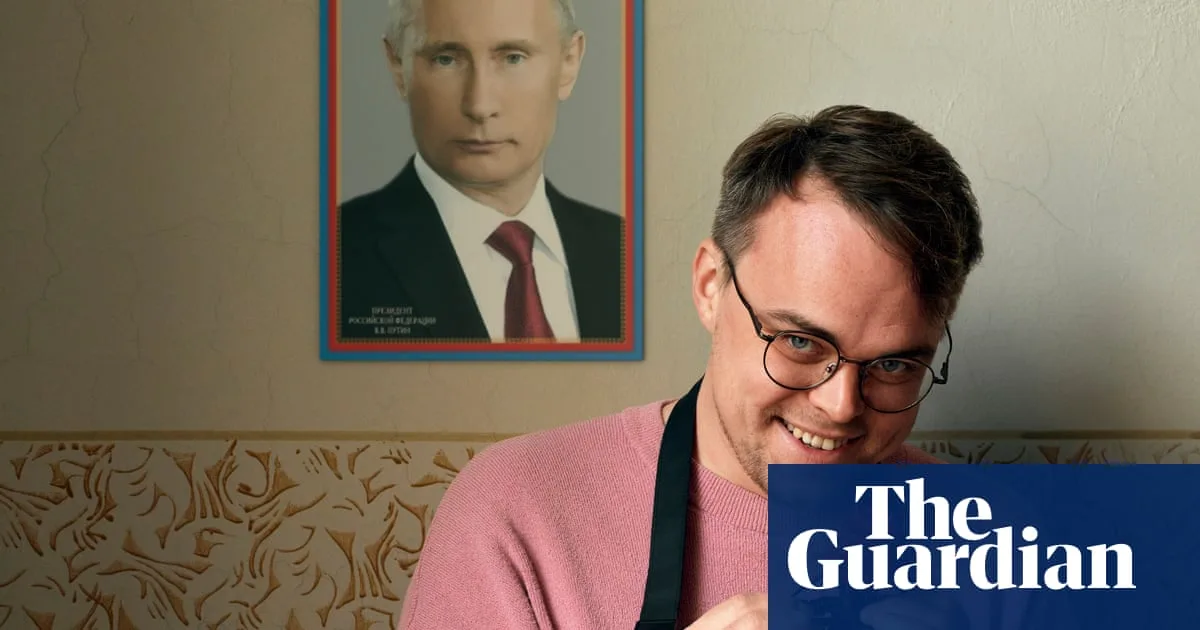
The chances are high that you had never heard of this film until it clinched an Academy Award for Best Documentary Feature. While it purports to expose how Vladimir Putin's propaganda machine is brainwashing the next generation, the reality is far more complex and terrifying, as detailed by Owen Matthews. The documentary, titled Mr Nobody Against Putin, has sparked intense controversy, drawing ire from the Kremlin, Ukrainian critics, and Russian exiles alike for its portrayal of life under Putin's regime.

Kremlin and Ukrainian Backlash Against the Film

One measure of a documentary's impact is the nature of its critics' hatred. The Kremlin despises Mr Nobody Against Putin for its potent anti-regime message, with Russia's official news agency, RIA Novosti, conspicuously omitting the documentary category when reporting the Oscars results. Many Ukrainians, however, resent the film for what they see as humanising ordinary Russians and crafting a misleading narrative of "good Russians" who oppose Putin.

Kyiv-based literary translator Iaroslava Strikha voiced frustration, noting that Ukrainian filmmaker Mtislav Chernov's "stunning and heartbreaking" documentary 2000 Meters to Andriivka failed to secure a nomination, while this "farce" about people cheering on fascism received accolades. Meanwhile, anti-Kremlin Russian exiles, such as fact-checker Ilya Ber, criticise the film for presenting a distorted, orientalising view of life in Putin's Russia, suggesting it focuses more on self-love than genuine patriotism.

Inside the Documentary: A Provincial Russian School Transformed by War Propaganda

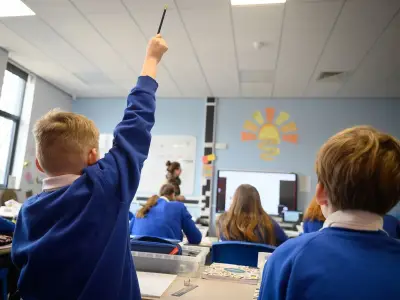
The film centres on Pavel Talankin, a teacher at School No. 1 in Karabash, a small industrial town in Russia's Urals. Employed as an events coordinator, Talankin documented the school's formal and informal life, running clubs for pupils. Following Russia's invasion of Ukraine, the school implemented a new "patriotic" curriculum designed to justify the war and boost loyalty to the state.

Talankin's footage captures students competing in grenade-throwing contests and lectures that label regime critics as parasites and foreign agents. Wagner mercenaries are brought into assemblies to teach children how to identify landmines and survive limb loss. Teachers struggle with state-mandated weekly "Talks about Important Things," covering topics like the supposed de-nazification of Ukraine and vigilance against traitors.

Through a web post seeking documentary footage, Talankin connected with a Western filmmaker from BBC's Storyville. He continued filming even as former pupils joined Putin's "Special Military Operation" and returned home in body bags. The film's most powerful scene features a funeral for a dead former pupil, where Talankin records the bereaved mother's heartbreaking sobs.

Flaws and Deliberate Misrepresentations in the Film

Former jailed oligarch Mikhail Khodorkovsky, whose foundation partly funded the documentary, praised it as a warning about institutions teaching children that killing is normal and silence becomes a habit. While Mr Nobody offers unique insights into ordinary Russian life in wartime and Kremlin manipulation, it contains serious flaws due to deliberate sleights of hand by Western directors.

For instance, a scene showing a history teacher waving a metal detector over pupils is depicted as a sign of authoritarianism, but in reality, it's standard procedure for final exams in Russia since 2014. Another scene features kids in Soviet-style caps marching to a song by dissident rock star Viktor Tsoi, a pacifist protest song about the Afghan war, which non-Russian viewers might misinterpret.

Talankin is shown hiding hard disks behind wallpaper, framing it as a dramatic plot point, but in an era of cloud computing, this seems unnecessary, especially given the school's high-tech equipment. A police car in his courtyard is portrayed as surveillance, yet there's no evidence he faced real danger. His colleagues largely ignored his small protests, such as playing Lady Gaga's version of "The Star Spangled Banner" instead of the Russian anthem.

The Unexplained Cameraperson and Contradictions in the Narrative

The film's narrative is further complicated by an uncredited cameraperson who shot much of the footage. Since these shots include school activities and student sendoffs, it's likely this person is a pupil or former pupil still in Russia. Their anonymity suggests producers saw no real risk, contradicting the film's portrayal of strict totalitarian control and state surveillance.

This reveals a more disturbing truth: the film depicts not a terrifying dictatorship, but the banality of evil. It shows how ordinary people, indifferent to war and politics, make daily compromises through conformity, cowardice, and peer pressure, building blocks of totalitarianism.

The Real Message: Compliance Over Defiance

Co-director David Borenstein framed the film as a lesson on losing one's country through small acts of complicity, drawing parallels to issues in the US. However, the tragedy of Mr Nobody is that it documents compliance, not defiance. Talankin may oppose Putin, but his only recourse is joining exiles abroad. Borenstein claimed the film shows "even a nobody is more powerful than you think," but the depressing reality is that inside Russia, pretty much nobody is against Putin, highlighting a grim portrait of societal acquiescence.