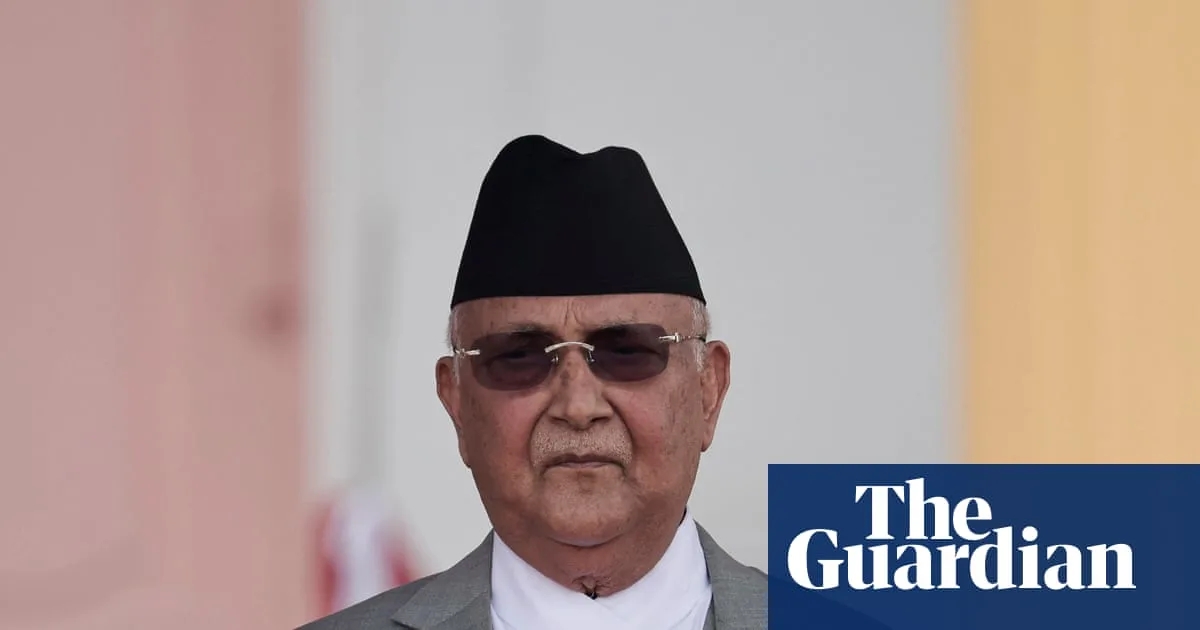
Nepal’s former prime minister KP Sharma Oli was arrested on Saturday over his alleged role in the deaths of 77 people during last year’s youth-led uprising that toppled his government. Police also detained his former home affairs minister Ramesh Lekhak, less than 24 hours after new Prime Minister Balendra Shah was sworn in.
The arrests follow a government-commissioned report that recommended Oli and Lekhak face 10 years in prison for their negligent conduct during the protests. The report said it was “not established that there was an order to shoot” but criticised the failure to stop or control the firing, which led to deaths including minors.
The protests began in September after a brief social media ban, escalating into a nationwide anti-corruption movement. Police opened fire on the first day, killing 19, and further unrest left dozens more dead, ultimately forcing Oli’s resignation. New Home Affairs Minister Sudan Gurung announced the arrests on social media, stating: “No one is above the law.”
Oli, 74 and suffering from kidney issues, was taken to hospital after his arrest. His lawyer Tikaram Bhattara called the detention illegal, arguing there was no risk of flight. A police spokesperson confirmed the arrests were based on the commission’s recommendations.
Prime Minister Shah, a former rapper known as Balen, won a landslide victory by promising justice for the victims and a crackdown on corruption. His election is seen as a rejection of Nepal’s old political establishment, which had been tainted by allegations of corruption and nepotism.