Myanmar's Military Stages Sham Election Amid Brutal Five-Year Conflict
Myanmar's Military Stages Sham Election Amid Conflict

Myanmar's Junta Stages Sham Election Amid Ongoing Brutal Conflict

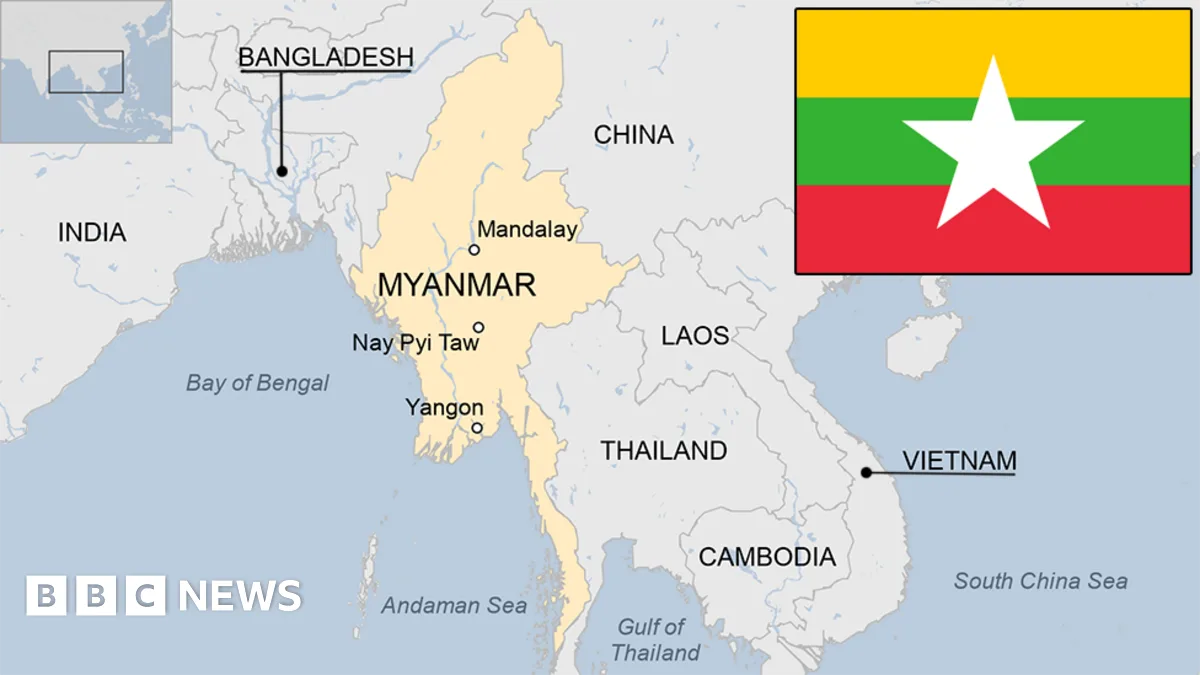
Five years after seizing power in a violent coup, Myanmar's military regime is attempting to cosplay democracy with a sham election. Army general Min Aung Hlaing, who has ruled the country since 2021 from the capital Naypyitaw, appears likely to swap his military leadership for the presidency in what observers describe as a thinly veiled attempt to legitimize continued junta control.

The Forgotten War's Devastating Toll

While overshadowed by higher-profile global conflicts, Myanmar's brutal civil war has exacted a horrific human cost. According to conflict-monitoring organisation Acled, approximately 93,000 people have been killed since the 2021 coup. The United Nations reports that 3.6 million people are currently displaced internally, creating one of Asia's most severe humanitarian crises.

The military's campaign of violence has included bombing prisoners of war, systematic torture of opponents, recruitment of child soldiers, and even the detention of toddlers. These atrocities have only strengthened the resolve of resistance forces fighting for genuine democracy.

Wide Pickt banner — collaborative shopping lists app for Telegram, phone mockup with grocery list

A Political Charade Without Legitimacy

The upcoming political transition represents nothing more than theatrical performance according to analysts. China has promoted elections in Myanmar while those fighting for democracy have universally boycotted them. The junta's control over territory is so limited that polls can only be held in restricted areas, while opposition groups were excluded from voting and many citizens were denied participation rights.

This political rejection follows the military's disastrous 2020 election performance, where their backed party secured just 6% of the vote. The regime now views its previous experiment with hybrid rule - allowing Aung San Suu Kyi's party to win and share power - as a grave strategic error it will not repeat.

International Complicity and Regional Dynamics

Beijing, initially displeased by the coup's disruption of border stability and economic activity, has increasingly thrown its weight behind the junta. Under Chinese pressure last year, the United Wa State Army cut off essential support to other armed groups, while many blame China for the Myanmar National Democratic Alliance Army turning against former allies.

Russian expertise from the Ukraine conflict appears crucial to the junta's intensified drone warfare capabilities. Meanwhile, regional governments continue hoping the generals might restore stability, despite overwhelming evidence that the military cannot rescue Myanmar from the disaster it has created over decades.

Resistance and Democratic Aspirations Persist

While the military stages its democratic charade, opposition-run local administrations are undertaking unprecedented democratic exercises. These include consulting citizens on new constitutions, discussing natural resource allocation, and determining what essential services should be provided to communities.

Civilians remain exhausted by relentless conflict but have not abandoned their democratic aspirations. Their struggle continues despite international attention waning and major powers like the United Kingdom falling behind on sanctions enforcement and even denying study visas to Myanmar students.

The Urgent Need for Sustained International Pressure

Observers warn that without sustained international pressure, the military grows increasingly emboldened in committing war crimes. While cases proceed at the International Criminal Court and International Court of Justice regarding Rohingya persecution, the current conflict demands equal attention.

Sanctions show some effectiveness but require continual tightening and enforcement. Humanitarian aid delivered through civil society organizations needs expansion rather than reduction. The international community must not accept sham elections as convenient excuses to ease pressure on a regime that continues bombing civilians while pretending to embrace democratic governance.

Pickt after-article banner — collaborative shopping lists app with family illustration