Myanmar's Civil War Reaches Critical Turning Point After Five Years of Conflict
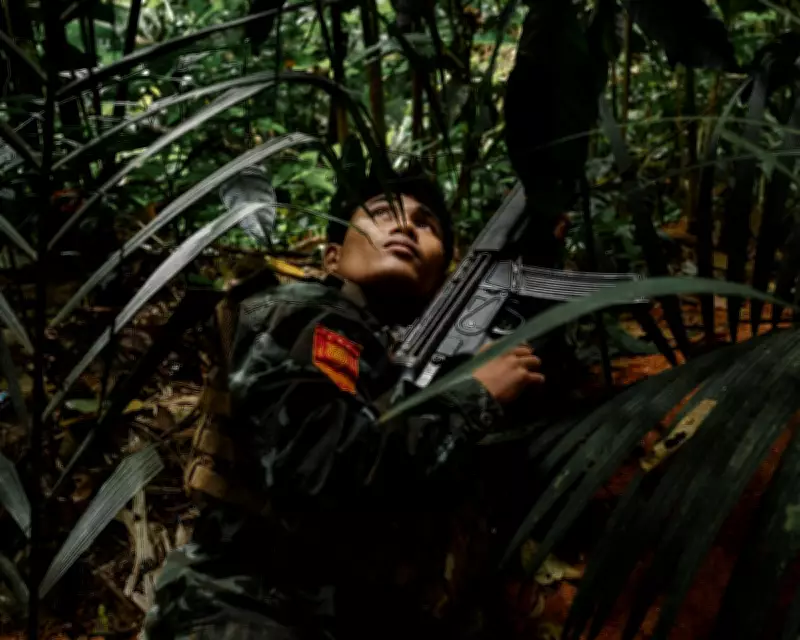
A young resistance fighter crouches silently in dense vegetation, eyes fixed skyward as a Myanmar military surveillance drone hums ominously overhead. This tense scene encapsulates the daily reality for thousands battling the junta five years after the February 2021 coup that plunged the nation into devastating civil war.
Southern Stronghold: Tanintharyi's Determined Resistance
In Myanmar's southernmost Tanintharyi region, stretching between the Andaman Sea and Thailand, pro-democracy forces have established a formidable stronghold. Here, revolutionary youth from diverse ethnic and religious backgrounds continue their determined armed struggle against military rule, having successfully contained junta advances through five gruelling years of guerrilla warfare.
The region has long been home to armed rebellion, particularly among the Karen ethnic minority who have operated in peripheral mountains for decades. Following the coup and brutal suppression of peaceful protests, this existing resistance swelled dramatically as thousands of young people abandoned regional cities to join jungle fighters, learning weapon handling and forming local pro-democracy battalions.

Evolution of the Resistance Movement
After overthrowing Aung San Suu Kyi's civilian government, the military junta faced unexpected nationwide resistance. What began as peaceful opposition transformed into widespread armed conflict as youth joined existing ethnic armed groups and newly formed People's Defence Force (PDF) battalions. In Tanintharyi, this new generation of urban activists allied with the established Karen National Union (KNU) to seize substantial territories, pushing from mountains toward coastal plains and challenging junta control of key towns.
Today, these multi-ethnic resistance forces fight side by side, holding captured ground despite severe ammunition shortages and constant threats from enemy troops and aircraft. Their determination remains unbroken, exemplified by November's significant victory capturing Mawdaung, a crucial border town and trade route to Thailand that the Tatmadaw desperately attempts to reclaim.
Military Counteroffensive Intensifies Conflict
As Myanmar enters its fifth year under military dictatorship, the resistance faces its greatest challenge yet. After initial nationwide advances that raised hopes of regime collapse, rebels now confront a bloody, large-scale counteroffensive by a strengthened Tatmadaw. Bolstered by over 80,000 forcibly recruited troops and supported by Beijing, the Myanmar military attacks on multiple fronts, forcing some insurgent groups to withdraw from strategic positions.
The human cost continues to mount alarmingly. According to United Nations figures, the conflict has claimed more than 90,000 lives and displaced over 3.5 million people. Nearly half of Myanmar's 55 million inhabitants now require humanitarian assistance, with conditions deteriorating steadily. The Armed Conflict Location & Event Data Project reports air and drone strikes increased approximately 30% in 2025, making it the deadliest year since the coup began.
Frontline Realities and Coalition Building
On the Tanintharyi frontlines near Theybu, diverse rebel groups have united to reinforce local resistance. Alongside PDF and KNU forces - including a Muslim battalion - stand the Forces for Federal Democracy (comprising mainly young fighters from Yangon), the communist-ideology People's Liberation Army, and the Bamar People's Liberation Army representing Myanmar's Buddhist majority ethnic group.
Despite the military's intensified violence targeting civilians through village destruction and aerial bombardments, resistance fighters maintain their positions. Improvised jungle hospitals treat wounded combatants, while small cemeteries emerge from thickets to bury fallen comrades like 22-year-old Thougt Thougt, killed on the Tanintharyi front alongside three other young fighters in a single day.

Across Myanmar, rebels still control approximately half the country according to difficult-to-verify estimates, continuing advances on new fronts despite the junta's counteroffensive. In Tanintharyi region particularly, the multi-ethnic resistance demonstrates remarkable resilience, holding captured territories while facing constant threats from better-equipped enemy forces determined to crush their insurrection.