This week in history presents a remarkable tapestry of global turning points, from geopolitical conflicts to bizarre food scandals, all captured through the distinctive lens of The Independent's front pages. Between 16 and 22 March across various years, the world witnessed moments of profound change, crisis, and cautious hope that continue to resonate today.
Germany's Reunification Vote and Soviet Economic Shift
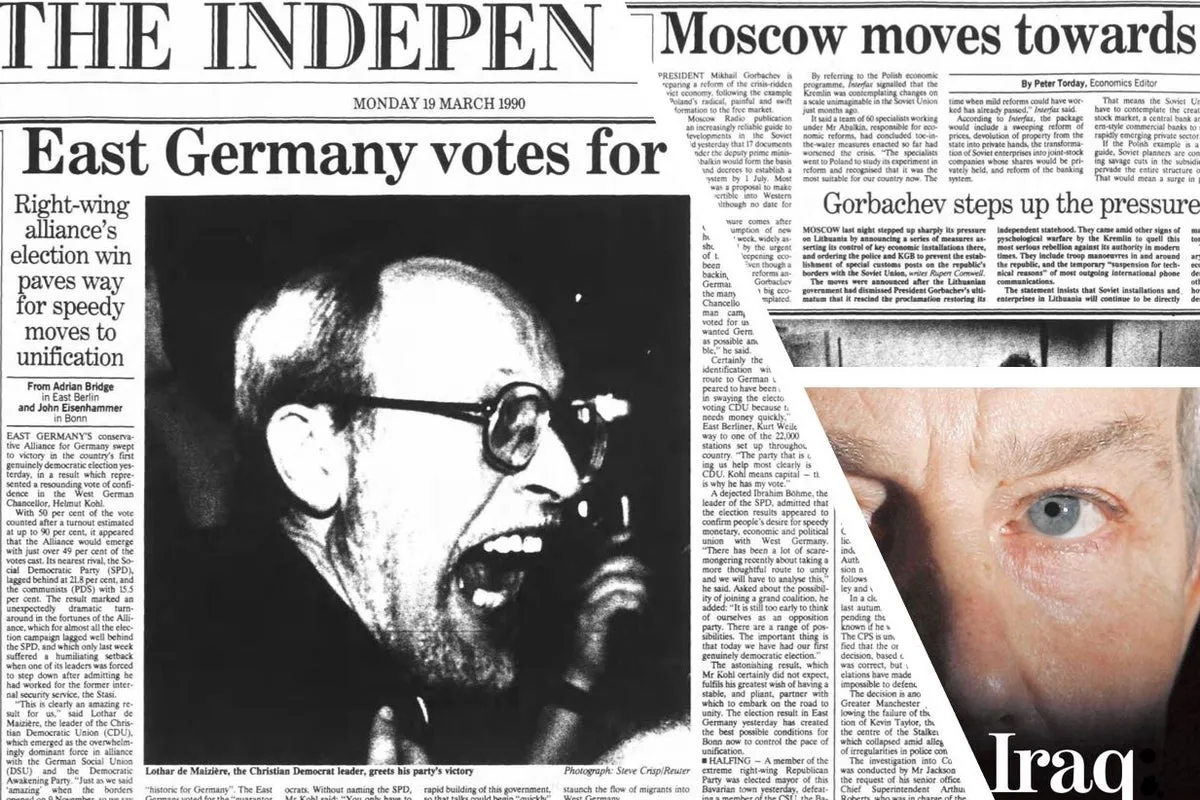
On 19 March 1990, East Germans participated in their first free elections, delivering a decisive victory for the conservative Alliance for Germany. This result strongly endorsed Helmut Kohl's platform promising rapid reunification with West Germany, strengthening his government's position in Bonn and setting the stage for formal reunification later that year.
The following day, Soviet leader Mikhail Gorbachev confronted a deepening economic crisis by preparing sweeping reforms aimed at transforming the planned Soviet economy into a market system. Draft laws circulating in Moscow outlined a rapid transition inspired partly by Poland's shock-therapy reforms, reflecting the mounting pressure on the Soviet system that would soon lead to the USSR's collapse.
Northern Ireland Peace Process and Kosovo Conflict
On 20 March 1995, pressure mounted on Sinn Fein to clarify its position regarding IRA weapons decommissioning. British prime minister John Major warned US president Bill Clinton that talks with Sinn Fein could not proceed without firm assurances that IRA arms would be put beyond use, highlighting the fragile state of the Northern Ireland peace process during the early months of the IRA ceasefire.
By 22 March 1999, US envoy Richard Holbrooke delivered a final warning to Yugoslav president Slobodan Milosevic as Nato prepared airstrikes against Serbian forces amid escalating violence in Kosovo. With diplomacy collapsing and reports of mounting atrocities, the alliance signaled it could launch attacks within hours, setting the stage for the Nato bombing campaign that began days later.
Iraq War Retrospectives and Political Fallout
On 17 March 2006, Tony Blair struck a defiant tone regarding the Iraq invasion, insisting he would "do it all again" even as US forces launched their largest offensive since the conflict's official end. The former prime minister's comments mirrored contemporary debates about intervention in the Middle East, though foreign secretary Yvette Cooper firmly rejected his interventionist stance, asserting Britain had to "learn the lessons" of the 2003 war.
Three days later, The Independent published a special three-year retrospective on the Iraq war featuring a distinctive front-page illustration by Ralph Steadman. Foreign reporter Robert Fisk labeled the conflict a "march of folly," condemning its ideological origins and the disastrous consequences that followed.
Bizarre Food Scandal and Diplomatic Breakthrough
In a truly unusual cover story on 22 March 2008, a major food scare gripped Europe as Italian mozzarella became linked to pollution, corruption, and organized crime. The crisis stemmed from severe waste management breakdowns in southern Italy, where illegal toxic dumping by mafia rings contaminated local grazing lands, prompting several countries to temporarily halt imports until emergency safety testing could restore consumer confidence.
Finally, on 17 March 2022, Nazanin Zaghari-Ratcliffe and another British-Iranian national arrived in the UK, marking the end of their years-long detention in Iran. This diplomatic breakthrough followed ministers settling a historic £400 million debt owed to Tehran, resolving a decades-old financial dispute over a cancelled 1970s order for British Chieftain tanks and concluding a relentless, high-profile campaign for their freedom.