Inside a Northern Israeli Kibbutz: Life Under Constant Rocket Fire
In the quiet early evening at Kibbutz Cabri, just five miles from the volatile border with Lebanon, the peace is shattered repeatedly. Air raid sirens blare, and Iron Dome interceptors streak across the sky as rockets from Hezbollah threaten this northern Israeli community. For residents like the Moria family, the drill is all too familiar: a swift dash to a reinforced safe room, heavy metal door slammed shut, with the family dog following instinctively.
The Fragile Ceasefire and Relentless Threats
This scene unfolds a day after Israel conducted a ceasefire-defying attack in Lebanon, killing over 300 people. Yael Shavit, a Cabri resident, notes that official reaction times have been relaxed to 30 seconds due to a supposed ceasefire, but Orly Moria disputes this, asserting that in practical terms, the response window remains almost nonexistent. The hope that Hezbollah rocket fire might cease after an Iran-related ceasefire announcement proves fleeting, as sirens resume across northern Israel by nightfall.
Amir Yarchi, another kibbutz member, captures the uncertainty: "Ask us next week" if the border is more peaceful. The close geography—ridge lines marking the Israel-Lebanon border visible in clear weather—means air raid alerts are brief, often lasting only five minutes, but the psychological toll is immense. Since early March, Hezbollah has fired over 1,160 rockets into Israel, averaging about 30 per day, according to the Alma Center thinktank.

Disruption and Risk Management in Daily Life
For Israelis in the north, the war is a constant disruptor. Every decision, from leaving home to working in fields or walking a dog, involves "risk management." In open spaces without shelters, people are instructed to lie down until danger passes. Civilian casualties in Israel have been relatively low, with Nuriel Dubin, 27, killed in a rocket attack in late March, and four others dying in Haifa from an Iranian ballistic missile. In Lebanon, over 1,700 have been recorded killed since March.
Moshe Davidovich, chief of the local Mate Asher Regional Council, starkly supports Israel's continued military actions, calling Hezbollah a "terrorist organisation for 40 years" that cannot be allowed to attack at will. Polling for Channel 12 indicates 79% of Israelis back strikes into Lebanon. Davidovich advocates for international engagement, urging the US, UK, and France to support Lebanon's government as a "big brother" to curb Hezbollah's threat.
Debates Over Military Strategy and Political Futures
Israel faces pressure from figures like Donald Trump to scale back offensives after mass strikes, yet shows willingness to engage directly with Lebanon's government. However, major political commitments from other nations are lacking, and Israel has rejected French mediation. In Cabri, Yarchi warns against a military-only solution, fearing an "endless war" with daily soldier casualties. He hopes Benjamin Netanyahu's government, trailing in polls, will fall in the autumn elections, citing failures to resolve regional security since the Hamas attack on October 7.
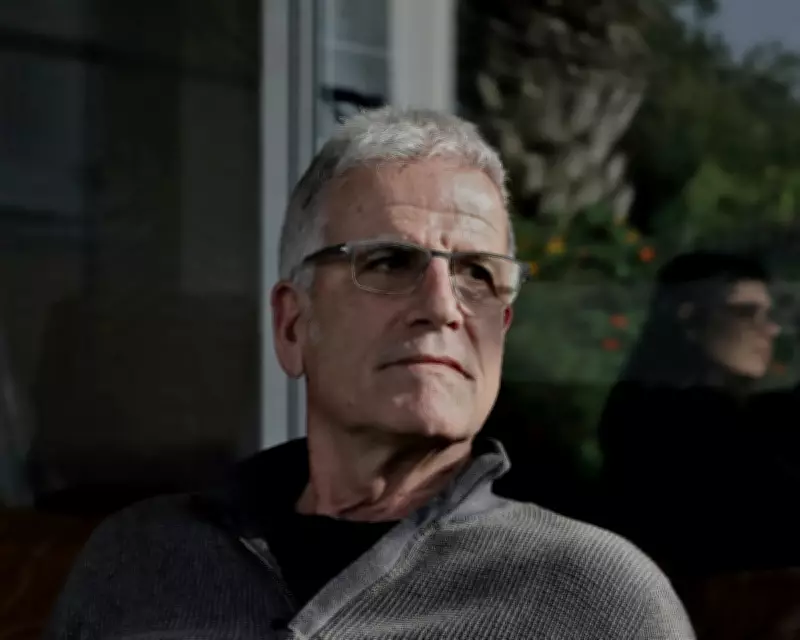
Gali Moria, who runs the kibbutz's business activities and served as a soldier during Israel's 1982 invasion of Lebanon, advocates for winding down military activity. He believes Israeli soldiers should remain in Lebanon "for the shortest time possible," warning that a prolonged occupation risks soldiers' safety and harms Lebanese civilians. Despite skepticism among kibbutz members, Moria holds a sliver of optimism, suggesting that weakened Iranian support for Hezbollah might reduce attack motivations, offering a "best case scenario" for peace.