Israeli Strikes Kill Dozens in Beirut Amid Hezbollah Conflict Despite Ceasefire
Israeli Strikes Kill Dozens in Beirut Amid Hezbollah Conflict

Israeli Airstrikes Devastate Beirut in Major Escalation

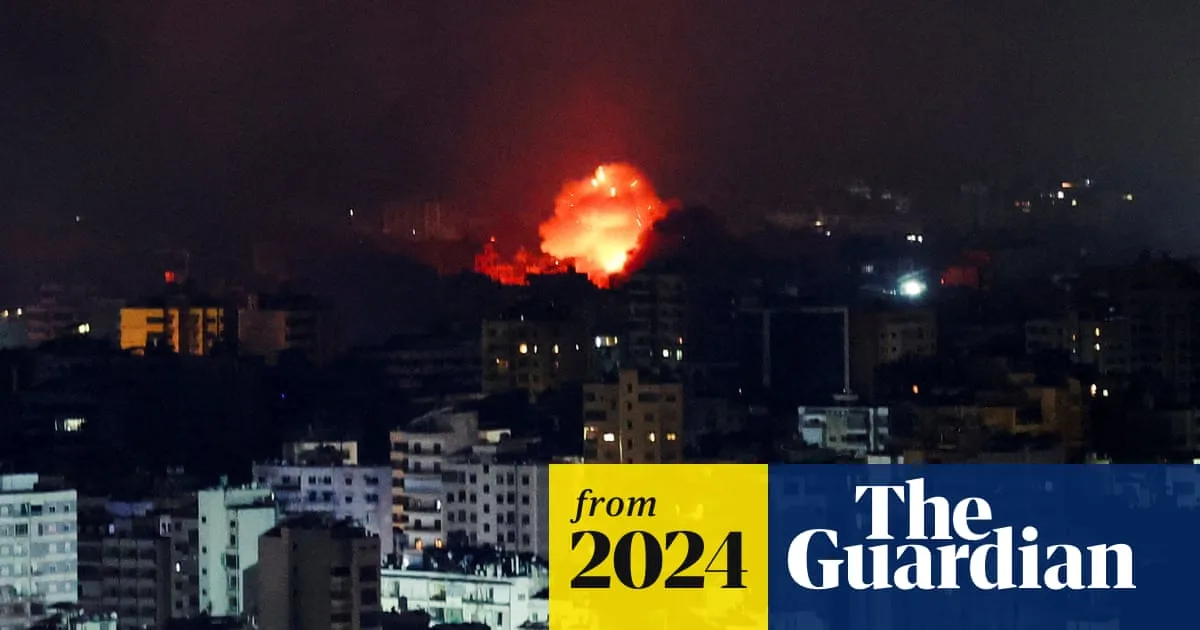
Lebanon's government reported on Wednesday that Israeli strikes have resulted in dozens of fatalities and hundreds of injuries across the country. The capital, Beirut, experienced its most intense bombardment since the onset of the war with the militant group Hezbollah.

Footage captured plumes of smoke billowing over Beirut and its suburbs, while journalists described scenes of panic in the streets. The Lebanese health ministry urgently called for roads in the capital to be cleared to facilitate ambulance access.

Government Statement Details Casualties

In a formal statement, the ministry declared, 'In a very serious escalation, Israeli warplanes launched a wave of simultaneous airstrikes on several Lebanese areas, resulting in, in an initial count, dozens of martyrs and hundreds of wounded.'

Wide Pickt banner — collaborative shopping lists app for Telegram, phone mockup with grocery list

Israeli Defence Minister Israel Katz confirmed the military executed a surprise attack targeting hundreds of Hezbollah members throughout Lebanon. He characterized this as the most significant blow against the group since a 2024 operation involving pager bombs.

Ceasefire Agreement Excludes Lebanon

This aggressive action occurred despite a two-week ceasefire agreement brokered between the United States and Iran, which backs Hezbollah. Simultaneous strikes on Beirut were conducted without prior warning, causing pedestrians to flee and motorists to honk horns in attempts to clear pathways.

Yasser Abdallah, an appliance store worker in central Beirut, recounted to reporters, 'I saw the blast, it was very strong, and there were children killed, some with their hands cut off.'

Widespread Damage and Humanitarian Crisis

One strike targeted Corniche al-Mazraa, a principal road in the capital. A photographer observed extensive damage, including burning buildings and destroyed vehicles. Emergency responders were seen working at multiple sites, such as Al-Mazraa in Beirut and Tyre in southern Lebanon, extinguishing fires and searching through rubble.

Hezbollah, which initiated the conflict by attacking Israel on March 2, asserted it was nearing a 'historic victory'. However, the group has not claimed any operations against Israel since approximately 1:00 am local time, coinciding with the ceasefire's implementation.

Political and Diplomatic Responses

Israeli Prime Minister Benjamin Netanyahu previously stated the truce did not encompass his nation's conflict with Hezbollah. Israel reinstated an evacuation order for areas over 40 kilometres inside Lebanon, emphasizing 'the battle in Lebanon is ongoing', and reiterated warnings for residents of Beirut's southern suburbs to depart.

Lebanese authorities report that Israeli attacks in recent weeks have killed more than 1,500 individuals and displaced over a million, particularly in southern, eastern regions, and Beirut's southern suburbs where Hezbollah maintains influence.

Lebanon's military cautioned displaced persons against returning south due to ongoing Israeli assaults. Hezbollah similarly advised against heading to targeted villages, towns, and areas in the south, Bekaa, and Beirut's southern suburbs until an official ceasefire is declared.

International Mediation and Uncertainty

Lebanese President Joseph Aoun welcomed the US-Iran truce but stressed that 'the decision regarding war and peace ... rests solely with the Lebanese state'. Prime Minister Nawaf Salam also welcomed the ceasefire but appealed to international allies to help halt Israeli attacks following the deadly strikes.

Pakistani Prime Minister Shehbaz Sharif, acting as a mediator, indicated the two-week ceasefire applied 'everywhere including Lebanon'. Conversely, Netanyahu later excluded Lebanon, and a Lebanese official noted authorities 'have not been informed' of Lebanon's inclusion in the truce.

Ali Youssef, a 50-year-old delivery worker sheltering near Beirut's southern suburbs, expressed he is 'waiting for Hezbollah to issue an official statement' and remains confident that 'Iran will not let us down' if Israel continues its assaults.

Pickt after-article banner — collaborative shopping lists app with family illustration