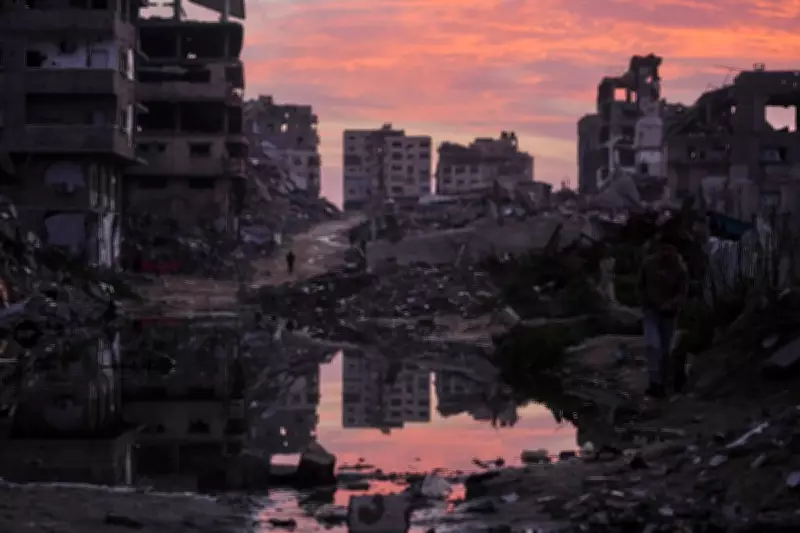
Israeli Strikes Claim 12 Lives in Gaza on Deadly Saturday
Hospitals across the Gaza Strip have reported that Israeli military strikes killed at least twelve Palestinians on Saturday, marking one of the highest single-day casualty tolls since a ceasefire agreement was established in October last year. The strikes occurred as diplomatic efforts to solidify the truce continue to advance, with the crucial Rafah border crossing with Egypt scheduled to reopen imminently.
Strikes Target Multiple Locations Across Gaza
According to officials from medical facilities that received the victims, the Israeli strikes hit various locations in both northern and southern Gaza. One attack targeted an apartment building in Gaza City, while another struck a tent encampment in the city of Khan Younis. The casualties from these separate incidents included two women and six children from two distinct families, highlighting the ongoing civilian impact of the conflict.
Shifa Hospital in Gaza City confirmed that their strike killed a mother, three of her children, and one additional relative during the morning hours. Meanwhile, Nasser Hospital reported that the attack on the tent camp caused a significant fire to break out, resulting in seven fatalities. These victims included a father, his three children, and three grandchildren, illustrating the multi-generational tragedy unfolding in displacement shelters.

Ceasefire Progress Contrasts With Ongoing Violence
The deadly strikes occurred just one day before the planned reopening of the Rafah crossing in Gaza's southernmost region. This timing serves as a stark reminder that Palestinian casualties continue to mount even as ceasefire negotiations inch forward. All border crossings into Gaza have remained sealed since the conflict's outbreak, making the Rafah crossing with Egypt a critical lifeline for tens of thousands of Palestinians requiring medical treatment outside the territory.
Gaza's healthcare infrastructure has been largely destroyed during the hostilities, increasing the urgency of cross-border medical access. The territory's Health Ministry, which operates under the Hamas-led government, maintains detailed casualty records that United Nations agencies and independent experts generally consider reliable. Their data indicates that more than five hundred Palestinians have been killed by Israeli fire since the ceasefire implementation began on October 10th.
International Context and Military Response
Israel's military authorities did not provide an immediate response to inquiries about Saturday's strikes. The ongoing violence underscores the fragile nature of the current ceasefire arrangement and the complex challenges facing diplomatic efforts to achieve lasting peace. As the Rafah crossing prepares to reopen, providing potential relief for humanitarian needs, the continued loss of life highlights the persistent tensions in the region.
The juxtaposition of ceasefire advancement with deadly military action creates a contradictory landscape where diplomatic progress coincides with human tragedy. This pattern has become familiar throughout the conflict, with periods of relative calm frequently interrupted by violent escalations that claim more civilian lives.