Israeli Strikes in Lebanon Result in Significant Casualties
At least ten individuals have been killed and twenty-four others wounded, including three children, following Israeli military strikes in Lebanon's eastern Bekaa valley, according to statements from the Lebanese health ministry. The attacks, which occurred on Friday, have drawn international attention due to the high death toll and the involvement of key militant groups.
Targeted Attacks on Hezbollah Command Centres
Israel has asserted that the strikes were aimed at "command centres" operated by the Lebanese militant organisation Hezbollah in the Bekaa region. Security sources have confirmed that a senior Hezbollah leader, Hussein Yaghi, was killed in these assaults. Yaghi, the son of former Hezbollah MP Mohamed Yaghi, is scheduled to be laid to rest on Saturday, as reported by Hezbollah-affiliated media outlets.
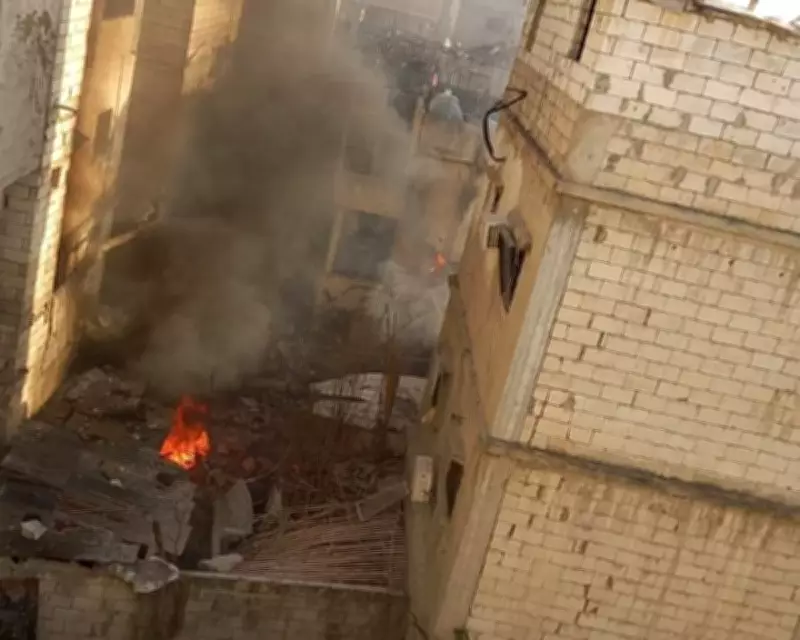
Local television broadcasts from the scene depicted an apartment building that appeared to be the target of one strike in the Bekaa valley. Emergency response teams were actively engaged in firefighting operations and conducting search-and-rescue missions amidst the debris to locate potential survivors.

Earlier Strike on Palestinian Refugee Camp
Prior to the Bekaa valley incidents, another Israeli strike targeted the Ain el-Hilweh Palestinian refugee camp located in the port city of Sidon. This attack resulted in the deaths of two people. The Israeli military claimed it struck a "Hamas command centre" within the camp. However, Hamas officials acknowledged the loss of two members but dismissed the assertion of a command centre being hit as a "flimsy pretext." They clarified that the building belonged to a joint security force comprising various Palestinian factions responsible for maintaining order in the camp.
Background of Escalating Conflict
The hostilities trace back to October 7, 2023, when Hezbollah initiated rocket launches from Lebanon into Israel in solidarity with Hamas and Palestinian causes. Israel retaliated with airstrikes and artillery shelling, leading to a full-scale war by September 2024. A US-mediated ceasefire two months later temporarily reduced the intensity of the conflict, but it did not bring a complete halt to the violence.
Since the ceasefire, Israel has accused Hezbollah of attempting to rebuild its capabilities and has conducted near-daily strikes in Lebanon, purportedly targeting Hezbollah militants and infrastructure. In response, Hezbollah has claimed responsibility for one strike against Israel since the ceasefire agreement.
Regional Tensions and Broader Implications
The unusually high casualty figures from Friday's strikes occur against a backdrop of heightened regional tensions. The United States has issued threats to strike Iran—a key supporter of both Hezbollah and Hamas—should negotiations over Iran's nuclear programme fail to yield a satisfactory agreement. During the previous Israel-Iran conflict, Hezbollah largely remained on the sidelines, but there are growing concerns in Lebanon that the country could be drawn into another war if hostilities escalate further.
The situation underscores the fragile security dynamics in the Middle East, with ongoing conflicts and geopolitical manoeuvring posing significant risks to stability and civilian safety.