Israeli Attacks on Lebanon's Health System Echo Gaza's Devastation
Since the war between Israel and the militant group Hezbollah reignited on March 2, Israeli forces have pushed deeper into southern Lebanon, targeting healthcare infrastructure in a pattern that medical workers describe as hauntingly familiar to the devastation witnessed in Gaza.
Medical Workers Witness History Repeating
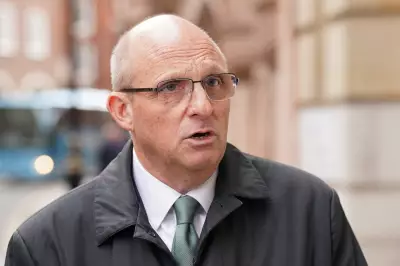
Dr. Mohammed Ziara, a burn surgeon from Gaza City who now works in Lebanon, watched Israel ravage Gaza's health care system two years ago through hospital shelling, ambulance strikes, and forced patient evacuations. Now, alongside other medical professionals, human rights groups, and civilians, he warns that the same scenario is unfolding in Lebanon as Israel campaigns against Hezbollah.
"I've lived this before," Ziara told The Associated Press at Sidon Government Hospital. "I cannot go back to Gaza now. But I can be here, in Lebanon." He recounted being besieged in a hospital in Gaza and losing his brother in an airstrike, expressing deep empathy for Lebanese civilians facing similar trauma.

Israeli Strategy and Healthcare Targeting
The Israeli military describes its strategy in this war by invoking the devastation wrought in Gaza following the Hamas-led October 7, 2023 attacks. Israeli warplanes dropped leaflets over Beirut last month warning that after "great success in Gaza, a new reality is coming to Lebanon, too." Israel accuses Hezbollah, as it did with Hamas in Gaza, of hiding in civilian areas and using hospitals and ambulances for military purposes, justifying attacks on these targets under international law.
However, Hezbollah denies conducting militant activities within civilian sites, and there has been no independent verification of hospital use for military purposes. The Israeli military does not provide evidence to support its claims, alarming human rights watchdogs.
Mounting Casualties and Healthcare Collapse
According to the Lebanese health ministry, Israeli airstrikes have killed at least 54 health professionals since March 2, with 152 attacks against emergency medical workers and ambulances. Six hospitals and 49 health clinics have been forced to close due to attacks or threats. The war has already killed 1,461 people and wounded 4,430, straining a health system already crippled by Lebanon's economic collapse.
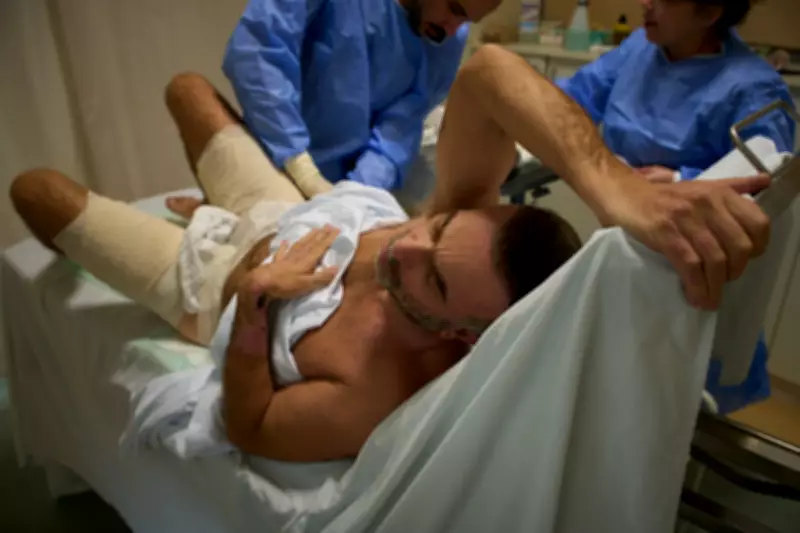
In Sidon, Ziara and his team from the U.K.-based nonprofit Interburns have established Lebanon's first specialized burn unit at Sidon Government Hospital, a critical resource as the city receives increasing numbers of wounded from southern Lebanon. The unit began during the 2024 Israel-Hezbollah war and was reactivated when hostilities reignited last month.
Brazen Declarations and Rising Toll
Ramzi Kaiss, Lebanon researcher at Human Rights Watch, noted a "new kind of brazenness" in Israeli declarations, citing Defense Minister Israel Katz's promise to flatten houses in southern Lebanon "in accordance with the model used in Rafah and Beit Hanoun in Gaza." Kaiss stated, "It appears impunity has emboldened the Israeli military."
The rising toll includes paramedics like Muhammad Tafili, killed in an Israeli airstrike on ambulances on March 28 after saving burn victim Kamal Fakih. That same day, Israeli attacks killed seven other medics across four villages, according to the World Health Organization. Among the dead was a medic targeted while responding to an airstrike that killed three journalists, with footage showing two strikes in quick succession—first hitting journalists, then paramedics rushing to rescue them.
Civilians Caught in the Crossfire
Sweeping Israeli evacuation orders have sent over 1 million Lebanese fleeing north, overwhelming hospitals like Nabih Berri Hospital, which evacuated dozens of patients to make room for casualties. Patient transfers involve complex coordination, creating life-threatening delays, while the Sidon burn unit struggles with bed shortages.

Civilians report Israeli bombs hitting without warning, fostering a feeling that nowhere is safe. Mohammad Qubaisi, 53, described how his Beirut apartment was struck on March 18 without prior evacuation guidance, leading to severe burns and the loss of his 15-year-old son Jad. "These are civilian buildings, not military targets," he said from Sidon hospital. "We were sleeping safely in our home, and look what happened to us."
As the health system buckles under pressure, with hospitals lacking staff and supplies and frequent power outages due to Lebanon's electricity crisis, medical workers like Ziara warn of a dire humanitarian crisis. "The health system is on its knees," he said, highlighting the overwhelming challenges faced by front-line facilities in a conflict that shows no signs of abating.