Iran Ceasefire Takes Effect: Key Issues Remain Unresolved After Two-Week Truce
A tentative two-week ceasefire between Iran, Israel, and the United States commenced on Wednesday, raising cautious hopes of halting hostilities that have shaken the Middle East and global energy markets. However, significant disagreements over Iran's nuclear program, missile arsenal, and regional influence threaten to undermine efforts toward a permanent peace deal.
Political Landscape and Leadership Changes
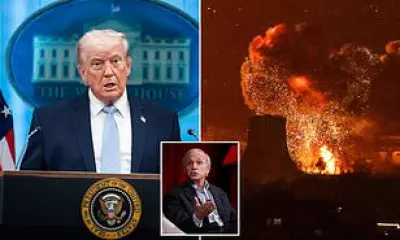
U.S. President Donald Trump has suggested a "regime change" in Iran following strikes that killed Supreme Leader Ayatollah Ali Khamenei and other top officials. Khamenei was succeeded by his son, Mojtaba, who is aligned with the Revolutionary Guard and viewed as more hostile toward the U.S. Mojtaba is believed to have been wounded in the attack and has not appeared publicly since the war began. Despite public anger, Iran's Shiite theocracy remains intact, with no signs of uprising since authorities suppressed protests in January.
Nuclear Program and Uranium Stockpiles
All of Iran's highly enriched uranium remains within the country, likely entombed at enrichment sites bombed by the U.S. during a conflict last June. Iran has not enriched uranium since then but asserts its right to do so for peaceful purposes, denying any pursuit of nuclear weapons. Trump stated the U.S. would collaborate with Iran to "dig up and remove" the uranium, though Iran has not confirmed this. Israel and the U.S. demand a complete dismantling of Iran's nuclear program, a condition rejected in Tehran's 10-point peace proposal.

Missile and Military Capabilities
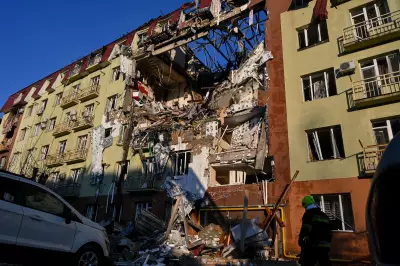
Since the war began on February 28, Iran has launched over 5,000 drones, more than 2,100 ballistic missiles, and over 50 cruise missiles, according to estimates from the Washington-based Jewish Institute for National Security of America. Pre-war assessments suggested Iran possessed between 8,000 to 10,000 ballistic missiles, with no public estimate of its drone stockpile. U.S. and Israeli strikes have destroyed or buried many missile launchers and reduced production capacity, but Iran continues to pose a threat with ongoing attacks.
Naval Strength and Strait of Hormuz Control
The U.S. military's Central Command reported destroying over 150 ships, effectively sinking the Iranian navy, along with warplanes, helicopters, and military installations. Despite this, Iran has managed to close the Strait of Hormuz, a critical waterway for global oil trade, and imposed fees of up to $2 million per vessel for passage. Iran and Oman are negotiating a proposal to split these fees, with Tehran insisting on maintaining military control to generate revenue amid sanctions. Trump has vowed U.S. presence to ensure traffic flow, setting up potential conflicts with other nations.
Regional Alliances and Gulf Arab Concerns
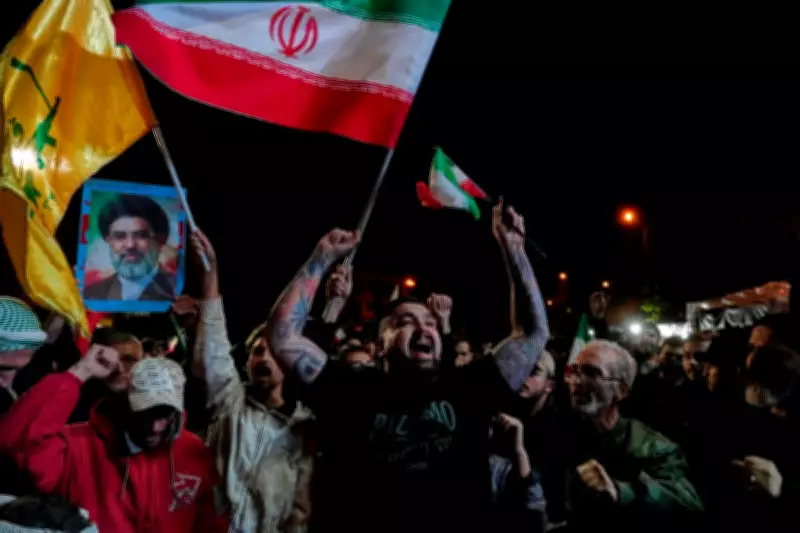
Iran's "Axis of Resistance" includes groups like Lebanon's Hezbollah, which continues to battle Israel despite the ceasefire, and Yemen's Houthi rebels, who limited their attacks during the war. Hamas still controls half of Gaza and has not disarmed under a U.S.-brokered deal. Israel demands Iran end support for these groups, a condition Tehran has refused. Gulf Arab nations face widespread damage to oil facilities and infrastructure, undermining their stability. Qatar estimates years to restore natural gas output, while regional distrust of Iran deepens and faith in U.S. protection wavers.
Israeli Gains and Strategic Outcomes
Israel, protected by advanced air defenses and bomb shelters, inflicted major losses on Iran but failed to eliminate its nuclear or missile programs. Prime Minister Benjamin Netanyahu's hope for an uprising toppling the Islamic Republic has not materialized. Israel claims U.S. assurances to address Iran's programs in negotiations, but public disappointment over another inconclusive war may impact Netanyahu ahead of upcoming elections.
In summary, while the ceasefire offers a temporary respite, deep-seated issues such as nuclear disarmament, missile proliferation, and regional hegemony remain unresolved, casting doubt on the prospects for a lasting peace in the volatile Middle East.