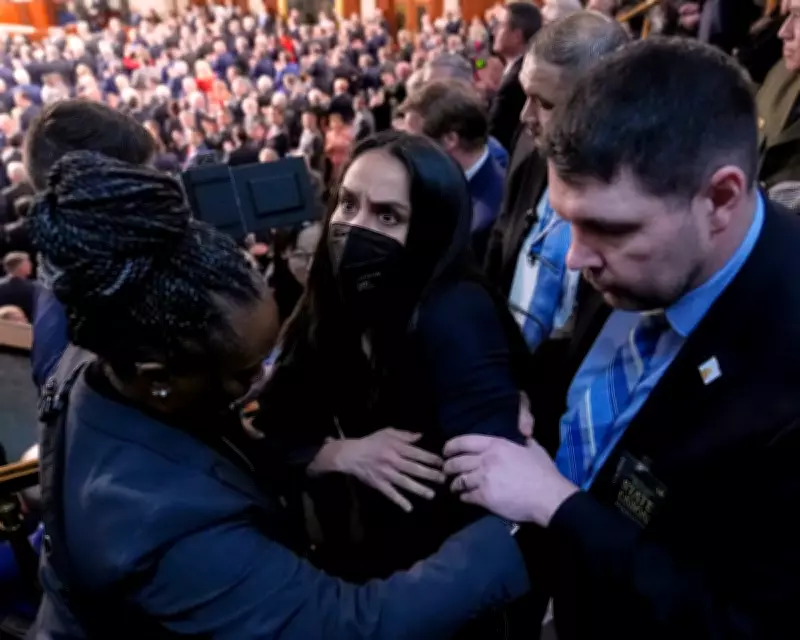
Representative Ilhan Omar, a prominent Democratic congresswoman from Minnesota, has stirred political discourse by inviting Aliya Rahman as her guest to the upcoming State of the Union address. Rahman, a Bangladeshi immigrant and community activist, is known for her advocacy on immigration reform and social justice issues.
Background and Significance of the Invitation
Aliya Rahman's selection as a guest highlights the ongoing debates surrounding US immigration policies. As an immigrant who has navigated the complex US immigration system, her presence at the high-profile event is seen as a symbolic gesture by Omar to draw attention to the challenges faced by immigrants and the need for comprehensive reform.
Political Reactions and Implications
The invitation has elicited mixed reactions across the political spectrum. Supporters praise Omar for amplifying immigrant voices and pushing for progressive changes, while critics argue it politicizes the State of the Union and focuses on divisive issues. This move underscores the broader partisan tensions in US politics, particularly around immigration and representation.

Aliya Rahman's Advocacy Work
Rahman has been actively involved in grassroots organizations that support immigrant rights, healthcare access, and educational opportunities. Her work emphasizes the contributions of immigrants to American society and calls for more inclusive policies. By bringing her to the State of the Union, Omar aims to humanize the immigration debate and advocate for legislative action.
Broader Context of SOTU Guests
It is common for members of Congress to invite guests who represent key issues or causes. In recent years, SOTU guests have included activists, survivors, and experts to spotlight various policy areas. Omar's choice of Rahman aligns with this tradition but adds a specific focus on immigration, reflecting her district's diverse demographics and her own political priorities.
The event is expected to generate further discussion on how immigration policies impact communities and the role of political symbolism in shaping public opinion. As the State of the Union approaches, all eyes will be on how this invitation influences the national conversation on immigration and bipartisanship in the US.