Shigeaki Mori, a Japanese atomic bomb survivor from Hiroshima who gained international recognition for his decades-long research into American prisoners of war killed in the attack and for a poignant embrace with former U.S. President Barack Obama, has died. He was 88 years old.
A Life Defined by Survival and Scholarship
Born in 1937, Mori was just eight years old when he survived the catastrophic U.S. atomic bombing of Hiroshima on August 6, 1945. He was located approximately two and a half kilometers, or one and a half miles, from the epicenter of the blast that instantly devastated the city and ultimately claimed 140,000 lives by the end of that year. A second atomic bomb dropped on Nagasaki three days later killed an estimated 70,000 more people.
Uncovering a Hidden History
While working as a full-time company employee about three decades after the war, Mori uncovered a little-known and tragic fact: American prisoners of war held in Japan were among those killed by the atomic bomb dropped by their own nation. This discovery ignited a personal mission that would span more than forty years of his life.
Mori dedicated himself to meticulous research, poring over official U.S. and Japanese documents. His painstaking work led him to identify twelve American POWs who perished in the Hiroshima attack. He then took the extraordinary step of writing letters to the bereaved families of these service members in the United States, many of whom had been unaware of the precise circumstances surrounding their loved ones' deaths.
Legacy in Print and Recognition
His profound research culminated in the 2008 publication of his book, "The Secret of the American POWs Killed by the Atomic Bomb." The work, originally published in Japanese, was critically acclaimed and earned Mori the prestigious Kikuchi Kan Prize. It was later translated into English, allowing his findings to reach a global audience.
Editors associated with the English translation confirmed on their website that Mori passed away on Sunday. Japanese media reports indicate he died at a hospital in Hiroshima. His lifelong efforts eventually resulted in official U.S. confirmation of the deaths of the twelve captured American military personnel in the bombing.
A Historic Embrace and Enduring Humanity
"The research I spent more than 40 years on was not about people from the enemy country," Mori once reflected. "It was about human beings." This philosophy of shared humanity resonated powerfully on the world stage in 2016.
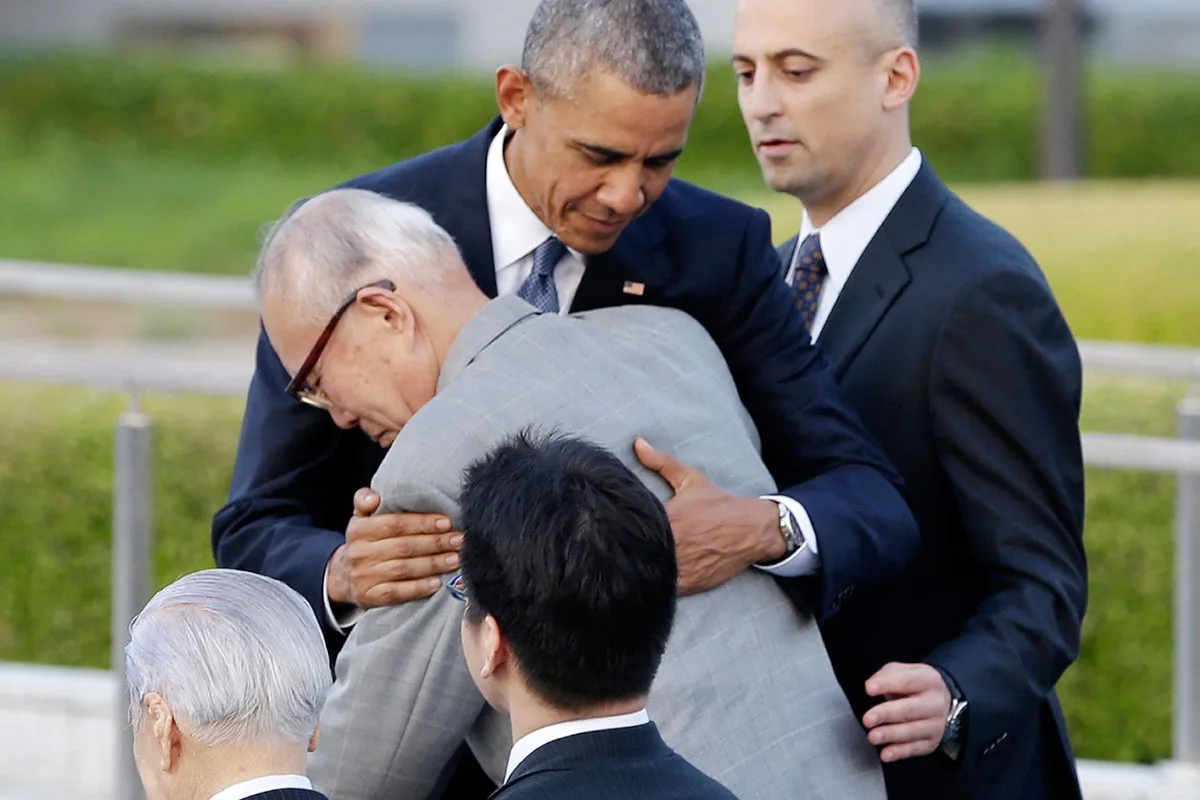
During his historic visit to Hiroshima's Peace Memorial Park, President Barack Obama became the first sitting U.S. president to do so. In his speech, he specifically mentioned "a dozen Americans held prisoner" as being among the victims. Obama publicly recognized Mori for his dedication in seeking out the families of these Americans, noting that Mori believed their loss was equal to his own. The moment culminated in an emotional and widely photographed embrace between the former president and the elderly historian, symbolizing reconciliation and shared grief.
Shigeaki Mori's passing marks the loss of a unique bridge between nations, a survivor whose personal tragedy fueled a quest for truth, recognition, and ultimately, a profound connection that transcended the horrors of war.