Hassan Khomeini: The Moderate Grandson Poised for Iran's Supreme Leadership
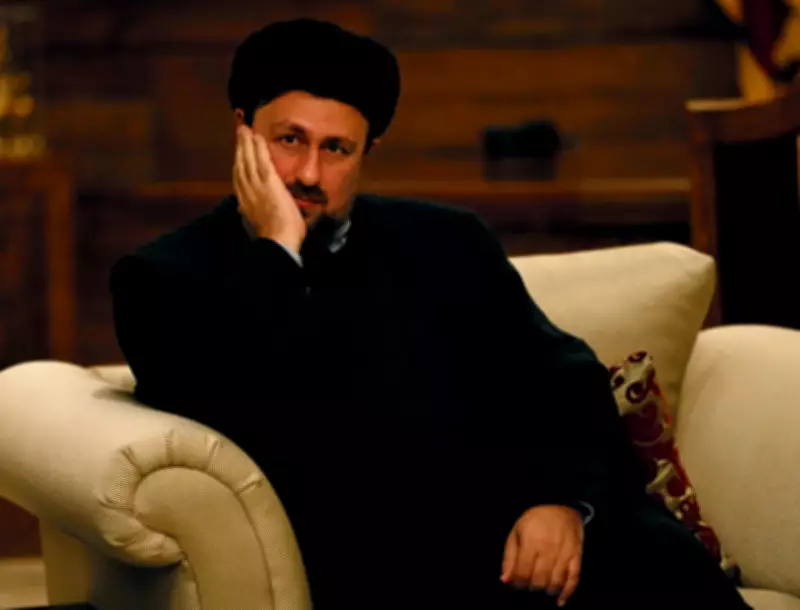
The death of Ayatollah Ali Khamenei, 86, in a US-Israeli strike on Saturday has thrust the question of Iran's next Supreme Leader into urgent focus. Among the contenders, Hassan Khomeini, the 53-year-old grandson of the Islamic Republic's founder, Ayatollah Ruhollah Khomeini, stands out as a potential moderate successor within the clerical establishment.
A Symbolic Figure with Reformist Connections
Hassan Khomeini holds a symbolically significant role as custodian of his grandfather's mausoleum in southern Tehran, yet he has never served in government. He is seen as a relative moderate, maintaining close ties to reformist figures like former presidents Mohammed Khatami and Hassan Rouhani, who pursued engagement with the West during their terms. Some Iranian politicians view him as a rival to hardliners, including Mojtaba, Khamenei's son, who gained influence under the late Supreme Leader.
The case for a moderate successor has gained momentum following widespread unrest in January, with proponents arguing it could help shore up the Islamic Republic amid growing dissent. Khomeini's profile as a progressive theologian, interested in Western philosophy and social media trends, adds to his appeal among reformists.

Balancing Dissent and Loyalty
While loyal to the Islamic Republic established in 1979, Khomeini has a track record of urging reform and occasionally voicing dissent. In 2021, he criticised the Guardian Council for barring reformist presidential candidates, a move that paved the way for hardliner Ebrahim Raisi's victory. He also demanded accountability after Mahsa Amini's death in 2022, which sparked nationwide protests over conservative dress codes.
However, his loyalty to the system remains evident. During the deadly unrest in December and January, he rallied behind the establishment, accusing rioters of serving Israel and participating in pro-government marches. In a condolence letter for Khamenei, he praised the late ruler as a hero and called for unity.
Political Ambitions and Setbacks
Khomeini's political journey has seen both support and obstacles. Reformists urged him to run for president in 2012, but he declined. A decade ago, he sought to run for the Assembly of Experts, the body that selects the Supreme Leader, initially receiving approval from Khamenei. However, he was later disqualified by the Guardian Council, a move widely seen as blocking reformist challenges.
Despite this, he maintains influence. He supported the Rouhani government that negotiated the 2015 nuclear deal and has spoken openly about economic hardships from sanctions. His fluency in Arabic and English, along with his background as a keen footballer until age 21, when his grandfather insisted he study theology in Qom, adds to his multifaceted persona.
Stance on Military and Foreign Policy
Khomeini has navigated complex relationships with Iran's power structures. In 2008, he implicitly criticised the Islamic Revolutionary Guards Corps (IRGC) by referencing his grandfather's order that the military stay out of politics, yet he enjoys close ties to the elite force. On foreign policy, he has described Israel as a "cancerous tumor" and praised Iranian missile capabilities during conflicts, aligning with establishment views while advocating for strength against Zionism.
As clerics deliberate Khamenei's successor, Hassan Khomeini's blend of moderate leanings, reformist connections, and unwavering loyalty positions him as a pivotal figure in Iran's future leadership landscape.