Hassan Khomeini Emerges as Potential Successor to Iran's Supreme Leader
The death of Ayatollah Ali Khamenei in a recent US airstrike has injected a new sense of urgency into the critical question of who will ascend to the position of Iran's next Supreme Leader. This pivotal role, which holds ultimate authority over the nation's political and religious affairs, is now the subject of intense internal deliberations as the country navigates a period of significant transition.
A Symbolic and Moderate Figure in the Spotlight
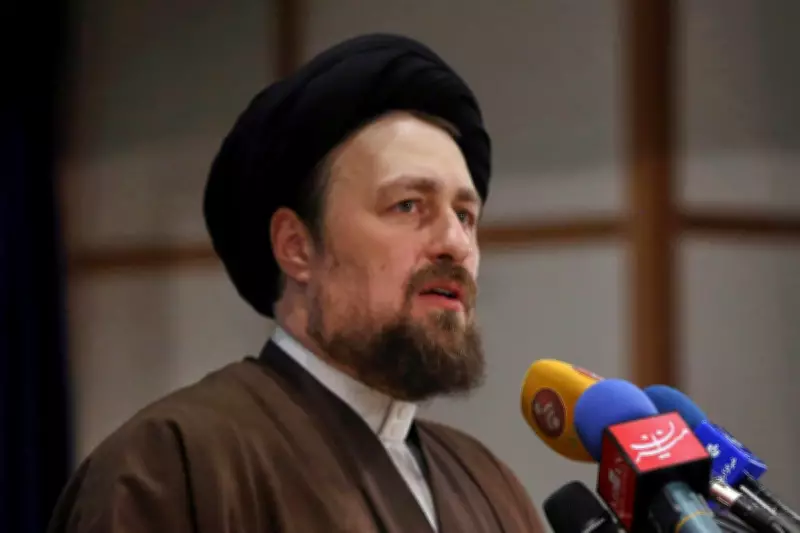
Hassan Khomeini, the 53-year-old grandson of the Islamic Republic's founder, Ayatollah Ruhollah Khomeini, has emerged as a prominent figure in these discussions. Widely regarded as a relative moderate within Iran's establishment, Mr. Khomeini occupies a symbolically important role as the custodian of his grandfather's mausoleum, a position that grants him considerable cultural and religious influence. His close ties to reformist politicians further bolster his standing, positioning him as a potential counterbalance to the hardline factions that gained significant sway under the leadership of Ayatollah Khamenei.
Navigating Political Rivalries and Loyalties
Within Iran's complex political landscape, some politicians view Hassan Khomeini as a direct rival to hardliners, notably Mojtaba Khamenei, the son of the late Supreme Leader. This dynamic underscores the deep-seated divisions between reformist and conservative elements as they vie for control in the post-Khamenei era. Despite his reformist leanings, Khomeini has consistently demonstrated unwavering loyalty to the Islamic Republic. He has publicly condemned protesters during recent periods of unrest and expressed strong anti-Israel sentiments, actions that align with the regime's core ideological tenets and may appeal to more conservative factions.

The Broader Context of Leadership Succession
The succession process is unfolding against a backdrop of heightened regional tensions and internal challenges. The airstrike that resulted in Ayatollah Khamenei's death has further complicated Iran's geopolitical stance, making the choice of a new Supreme Leader a matter of both domestic stability and international significance. As deliberations continue, the selection will likely hinge on balancing ideological purity with pragmatic governance, with Hassan Khomeini representing a figure who bridges reformist aspirations and establishment continuity.