Eid al-Fitr: A Global Celebration of Faith and Community
As the Muslim holy month of Ramadan draws to a close, Muslims across the globe are preparing to celebrate Eid al-Fitr, a significant Islamic holiday marking the end of fasting. This joyous occasion is traditionally greeted with excitement, featuring congregational prayers, family visits, gatherings, outings, and the wearing of new clothes. However, this year's Eid approaches against a backdrop of heightened tensions, including the Iran war impacting the Middle East and broader international concerns.
The Significance of Eid al-Fitr
Eid al-Fitr, meaning the "festival of breaking the fast," commemorates the conclusion of Ramadan, during which devout Muslims fast from dawn to sunset. Ramadan is a period dedicated to increased worship, charity, and good deeds, often highlighted by festive gatherings for iftar, the meal to break the fast. The holiday follows the Islamic lunar calendar, causing its timing to cycle through the seasons; this year, the first day is anticipated around March 20, though dates may vary by country and community.
Celebrations Amidst Global Challenges
In the United States, Muslims observed Ramadan this year under the shadow of worrisome events, including immigration crackdown fears, anti-Muslim rhetoric, and the ongoing war in the Middle East, where many have family ties. Despite these challenges, the spirit of Eid persists, with communities coming together for prayers and festivities. To greet celebrants, phrases like "Eid Mubarak" (Blessed Eid) or "Happy Eid" are commonly used.

Traditional Customs Around the World
Eid al-Fitr is celebrated with diverse traditions across Muslim-majority nations and diaspora communities:
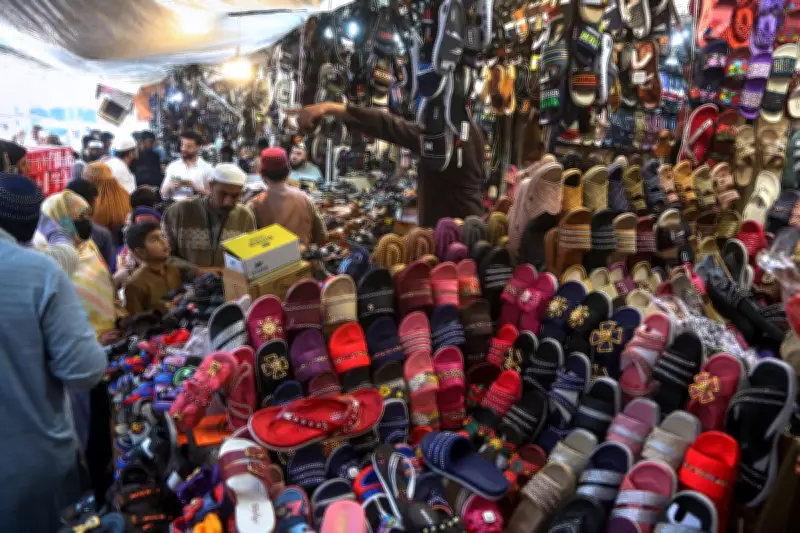
- Indonesia: Many embark on a mass exodus to hometowns for homecoming celebrations, with markets bustling as shoppers buy clothes, shoes, cookies, and sweets before the holiday.
- Malaysia: A similar homecoming tradition sees Muslims begin the day with morning prayers, seek forgiveness, visit graves, and host "open house" gatherings where families exchange visits and enjoy traditional foods. Older Muslims often give money in green packets to children and guests.
- Egypt: Families participate in Eid prayers in a festive atmosphere, visiting relatives and friends, with children receiving cash gifts called "eidiya" while wearing new outfits. Making or buying powdered sugar-dusted Eid cookies is a common custom.
- United States: In this ethnically and racially diverse minority community, Muslims gather for Eid prayers and festivals featuring activities like face painting and balloon twisting for children and families.
These traditions highlight the universal themes of joy, community, and renewal that define Eid al-Fitr, even as global events add a layer of complexity to this year's celebrations.