Dubai's 'Safe Haven' Facade Cracks Under Drone Assault
While social media influencers continue to portray Dubai as a secure oasis, the reality on the ground tells a different story. Over two weeks of sustained drone and missile attacks have exposed the jarring contrast between the emirate's carefully cultivated image and the escalating regional conflict.
Unprecedented Attacks on Financial Hub
According to UAE Ministry of Defence figures, Dubai's air defences have faced an extraordinary onslaught since the US-Iran war began. The city has confronted more than 260 ballistic missiles, 15 cruise missiles, and 1,514 drones. While defence systems have intercepted over 90 percent of these projectiles, the remaining strikes have caused significant disruption.
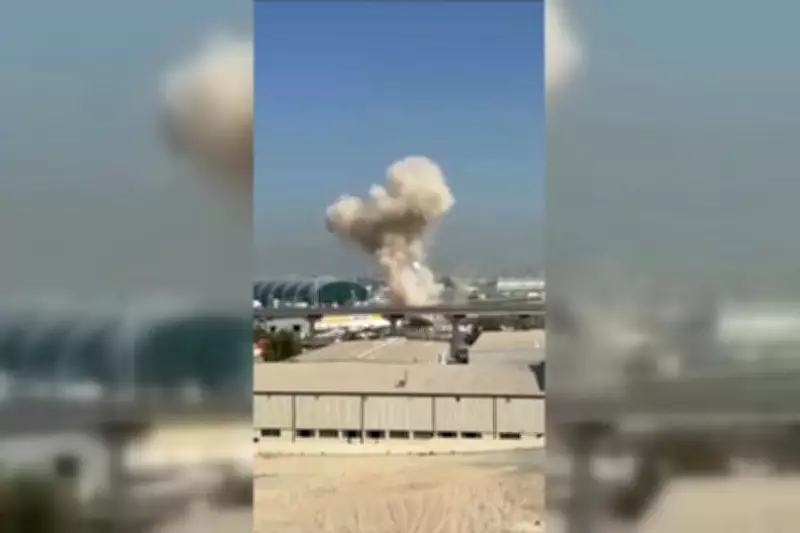
Multiple high-profile locations have been hit, including areas near Dubai International Airport, the International Finance Centre, and Creek Harbour. On Friday, black smoke billowed from the financial district after debris from an intercepted drone damaged a building. Earlier in the week, four people sustained injuries when drones fell near the airport, including nationals from Ghana, Bangladesh, and India.

Tourism Industry Collapses
The conflict's economic impact has been immediate and severe. Middle East Travel Alliance, which handles logistics for approximately 20,000 tourists annually from the US and UK, reported 100 percent cancellation of all future bookings since hostilities began. Major airlines including British Airways, Aegean Airlines, and Air Canada have suspended flights to the region.
Barbara Leaf, former US ambassador to the UAE, explained why Dubai has become a particular target: "Dubai is this great emblem of the alternative economic present and future for the region, the alternative certainly to Iran. It's the shiny symbol of everything that is bright and modern and dynamic. So it's exactly the place they want to hit and damage the most."
Corporate Exodus Begins
Following Iran's announcement that it would target financial institutions across the region, multiple international corporations have initiated staff relocations. Bloomberg has offered Gulf-based employees temporary relocation options, while financial giants including Citigroup, Standard Chartered, and the London Stock Exchange Group have instructed Dubai staff to work remotely.
Social Media's Alternative Reality
Despite the visible attacks, social media platforms present a strikingly different narrative. Numerous Instagram and TikTok videos feature influencers asking questions like "You live in Dubai, aren't you scared?" before reassuring viewers that everything remains normal. One influencer with 40,000 followers posted about purchasing vanilla matcha at Dubai Hills Mall on the same day four people were injured in drone incidents.
These posts frequently employ similar messaging about citizens being "kept safe" and often feature montages of Dubai's leadership with captions like "I know who protects us." The consistency suggests coordination, particularly given that influencers in Dubai must operate under a Commercial Trade License and E-Media Influencer Permit from the UAE Media Council.
Government Crackdown on Information
Authorities have taken aggressive steps to control the narrative. The Dubai Media Office issued warnings against sharing "outdated" and "misleading" content, threatening legal action against violators. To date, 21 people have been charged under UAE cybercrime laws, including a British tourist arrested for allegedly recording footage of a missile over Dubai.
Human rights advocate Radha Sterling of Detained in Dubai commented: "In a single moment, the narrative of Dubai as a carefree, cosmopolitan safe haven collided with the reality of strict cybercrime laws that can send people to prison simply for sharing information that authorities consider negative or misleading."

Exodus of High-Profile Residents
The reassurance campaign appears to have limited effectiveness among some prominent residents. Celebrities like Lindsay Lohan, who previously championed Dubai's safety, have returned to the US since the conflict began. One British property investor chartered a £150,000 private jet to leave the region with his family, though he claimed this was for business meetings rather than safety concerns.
Estate agents in London report increased demand from those seeking to return from the Gulf. Mark Pollack, co-founding director of Aston Chase, observed: "The conflict has not surprisingly been a very abrupt reality check for many who have been lured to Dubai predominantly due to the tax-free regime, climate and perceived lifestyle."
The contrast between Dubai's marketed image and its current reality grows starker with each passing day of conflict, revealing the fragility of the emirate's carefully constructed safe haven reputation in a volatile region.