Ceasefire in Jeopardy as Congo and M23 Rebels Trade Accusations After Drone Strikes
The fragile peace process in eastern Congo is under severe threat following a series of drone strikes and violent clashes, with the Congolese government and Rwanda-backed M23 rebels accusing each other of breaching a ceasefire agreement aimed at ending decades of conflict. This development casts significant doubt over efforts to secure a permanent peace in the region, which has been ravaged by prolonged fighting.
Violations and Accusations Escalate Tensions
On Friday, both sides issued statements blaming one another for violating the terms of the ceasefire deal, which was designed to halt the long-standing hostilities and bring stability to the area. The recent incidents, including drone attacks and ground skirmishes, have not only undermined the peace agreement but also jeopardized a separate minerals deal between Congo and the administration of former U.S. President Donald Trump. This deal was intended to grant the United States access to Congo's rich mineral resources, with Trump having played a role in negotiating the peace accord between Congo and Rwanda, a key indirect player in the conflict.
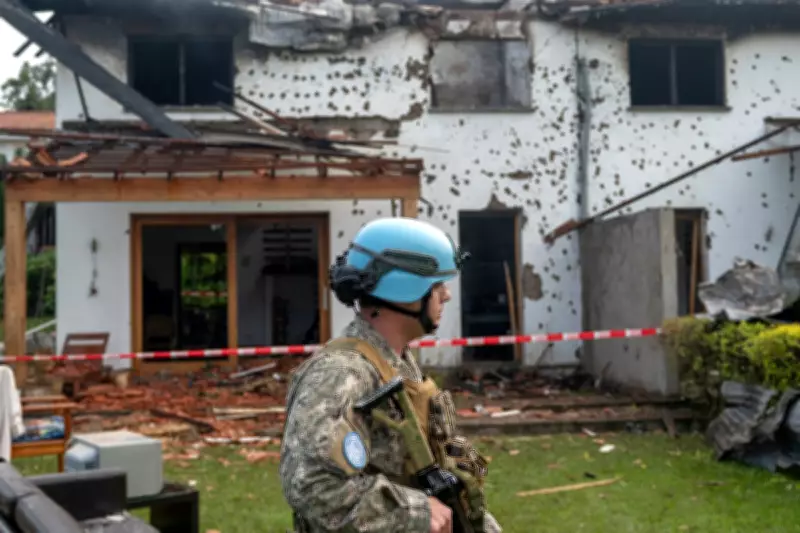
Despite mediation efforts by Qatar and other international partners, which have championed direct negotiations between the Congolese government and the M23 rebels, the fighting has persisted unabated. The situation took a tragic turn on Tuesday when a drone strike, attributed by the M23 to Congolese forces, resulted in the death of a French United Nations staffer in Goma, a key city. This incident occurred less than a month after a similar strike killed the rebel group's spokesperson and injured several others, highlighting the escalating violence.

Humanitarian Crisis Deepens Amid Ongoing Conflict
Residents in the region continue to report frequent clashes between the M23 rebels and Congo's military forces, often joined by the local Wazalendo militia group. These confrontations have led to the displacement of thousands of people in recent weeks, exacerbating one of the world's largest humanitarian crises. According to reports, at least 7 million individuals have been displaced in eastern Congo due to the conflict, with mass graves recently discovered, underscoring the severe human toll.
M23 spokesperson Lawrence Kanyuka expressed the group's commitment to peace efforts, but only if Congo's army ceases attacks on their positions and stops what he described as the assassination of leaders, soldiers, and innocent civilians. In response, Congolese government spokesman Patrick Muyaya stated that the government is investigating the drone strike that killed the French aid worker, though he did not provide details on other attacks. Muyaya blamed the M23 for violating the ceasefire but reaffirmed the government's dedication to respecting the agreement and other accords.
Data Highlights Scale of Drone Strikes and International Concerns
A report by the U.S.-based Armed Conflict Location & Event Data (ACLED) reveals alarming statistics: in 2026 alone, at least 60 drone strikes have been attributed to the Congolese military, with less than 5% of such strikes in the region linked to the rebels over the past year. This data, gathered from conflict zones worldwide, indicates a significant imbalance in the use of aerial attacks, complicating peace efforts further.
Christian Rumu, a senior campaigner with Amnesty International, emphasized the ongoing suffering, noting that people continue to lose their lives and face displacement, with many Congolese feeling no positive change from the peace deals. He pointed out that heavy artillery has been used in densely populated areas since 2021, as evidenced by the recent attack in Goma, raising serious human rights concerns.
The Associated Press could not independently verify events in the affected localities, but the attacks have undoubtedly complicated peace initiatives in a region desperate for stability. As accusations fly and violence persists, the path to lasting peace remains uncertain, with international observers urging renewed diplomatic efforts to address the root causes of the conflict and protect vulnerable populations.