China and North Korea Reconnect with Direct Flights and Train Services After Six-Year Pause
China has officially resumed direct flights to North Korea, marking a significant step in restoring travel links that had been suspended for six years. This development comes shortly after passenger train services between the two nations were reinstated, signaling a gradual easing of pandemic-era restrictions.
Restoration of Air and Rail Connections
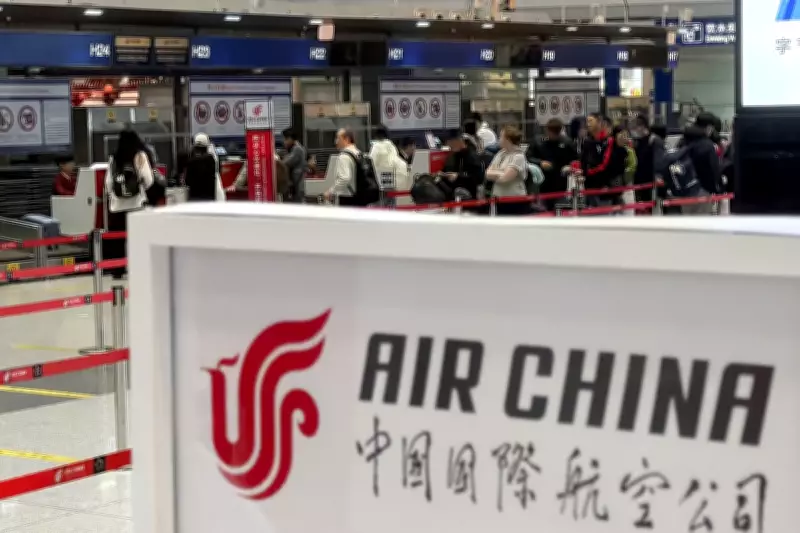
On Monday, Air China operated a direct flight from Beijing to Pyongyang, which was welcomed by Chinese Ambassador to North Korea Wang Yajun and other diplomats, as reported by Chinese state media. This flight follows the resumption of passenger train services on March 12, reconnecting the capitals after a prolonged hiatus.
Flights and passenger trains to North Korea had been suspended since the onset of the Covid-19 pandemic in 2020, severely limiting cross-border movement. Notably, North Korean carrier Air Koryo had already resumed flights between the capitals in 2023, but the latest Air China flight represents a broader restoration of bilateral travel.

Tourism and Economic Implications
During the pandemic, North Korea imposed a ban on all foreign tourists, but it has started to relax these restrictions. In 2024, a Russian tour group entered the country, and now the resumption of Chinese flights could pave the way for a return of Chinese tourists. Prior to the ban, Chinese tour groups accounted for 90 per cent of all visitors to North Korea, making their delayed return a point of surprise for observers.
At Beijing airport, Chinese business traveller Zhao Bin spoke to media after checking in for a flight to Pyongyang, highlighting the renewed interest in travel and commerce between the two nations. China remains Pyongyang's largest trading partner and a key ally, though Beijing has historically expressed disapproval over North Korea's missile test-launches, which could target South Korea and the United States.
Diplomatic Context and Future Prospects
The restoration of travel links occurs against a backdrop of ongoing diplomatic engagements. In September, North Korean leader Kim Jong Un traveled to Beijing to attend a massive military parade, marking the first time in decades that a North Korean leader had been present at such a Chinese event. This move underscores the complex but enduring relationship between the two countries.
As direct flights and train services resume, it is expected to facilitate not only tourism but also trade and diplomatic exchanges, potentially strengthening ties despite past tensions. The easing of restrictions signals a cautious but positive shift in North Korea's approach to international engagement post-pandemic.