Bishop's Olive Tree Planting in West Bank Uncovers Palestinian Plight
Planting an olive tree was intended as a gesture of faith-based solidarity, according to the Rt Revd Graham Usher, the Bishop of Norwich. However, this act instead laid bare the harsh injustices that Palestinians endure daily in the West Bank. The event, which took place on Sunday 08 February 2026, highlighted the ongoing struggles in the region.
A Field in Beit Jala: A Site of Conflict and Heritage
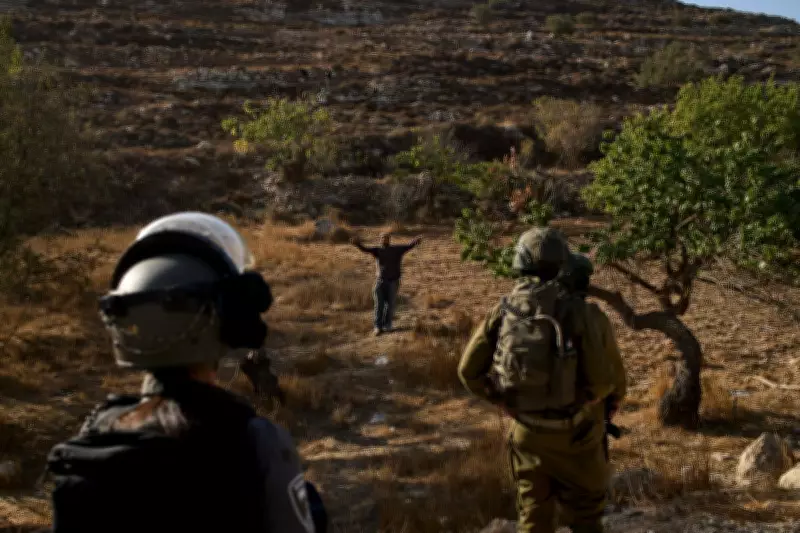
A bishop and a rabbi entered a field to plant an olive tree, a scenario that might sound like the start of a joke. Yet, this field was located outside Beit Jala, within the picturesque Al Makhrour valley—a Unesco world heritage site in occupied Palestine. Overlooking the area was an illegal Israeli settlement, and until recently, young settlers had occupied a nearby outpost of caravans. These individuals engaged in thuggery, violence, and thefts, actions seemingly aimed at intimidating Palestinian farmers and forcing them off their land.
The objective is evident across the West Bank: displace Palestinian landowners, and the territory becomes claimed by settlers. This settler expansion programme, backed by the Israeli government and numerous overseas funders, has continued relentlessly during the Gaza war. Although the Israeli authorities removed these young thugs, such interventions occur too rarely. The bishop expressed concern about their potential return to Wasim's farm, where they might uproot olive trees, damage property, and threaten his family with violence.

Wasim revealed that calling the local Israeli police is futile, as they typically side with settlers. Often, it is the Palestinian complainant who ends up detained on fabricated charges, exacerbating the sense of injustice.
A Living Parable of Solidarity and Resistance
The planting event also evoked the parables of Jesus, such as "A farmer went out to sow his seed." That morning served as a living parable, with the bishops of Gloucester and Chelmsford joining rabbis and activists from Rabbis for Human Rights. This act of faith-based activism symbolized Jewish and Christian solidarity with Palestinians practicing peaceful resistance and resilience.
Discussions centered on land as identity, with Palestinians expressing pride in living within the land's sensitive ecology and anger at habitat destruction by settlers. The land provides economic support, yet Palestinians are frequently hindered by the Israeli Defence Force and settlers from harvesting their crops. Notably, both ecology and economy derive from the Greek word oikos, meaning "house" or "dwelling place," underscoring how the land is fundamental to the Palestinian sense of home. They face violent displacement and theft, with their voices often ignored.
Decades of Experience and a Stark Epiphany
Having traveled to the region for over 30 years, the bishop has engaged with Jews, Christians, and Muslims, defending the State of Israel's existence. He was in Jerusalem on 7 October and later met with families of hostages from Hamas's attack. However, this latest visit brought an epiphany about the current situation in the West Bank.
The bishops heard numerous testimonies detailing unchecked settler expansion, new settlements and outposts, escalating violence by Israeli troops and settler militia, widespread use of administrative detention without charge, localized road closures with nearly a thousand new gates isolating Palestinian communities, and growing restrictions on water and electricity access. These elements have become part of daily Palestinian life.
A journey from Ramallah to Jerusalem through the Qalandia checkpoint took three and a half hours for just eight miles, making commuting impossible and causing missed hospital appointments and funerals. The emotional and psychological toll is clear, with Palestinians repeatedly stating, "We are being suffocated. They are doing their best to ruin our lives so we will leave." Many view this as a form of slow ethnic cleansing, a nightmare that demands an end.

A Call for International Action and Hope
Jesus's parables often include a twist—a wake-up call for listeners. The good soil yields an abundant harvest, and it is a despised Samaritan who performs good deeds. What could shift the Israeli-Palestinian conflict toward a hopeful harvest based on justice, peace, and reconciliation?
The olive tree planting by Jewish rabbis and Christian bishops was a small sign of solidarity and hope. Referencing Christian scriptures, "the leaves of the trees are for the healing of the nations," the bishop urges nations to awaken and challenge the culture of impunity that legitimizes the Israeli government's de facto annexation of the West Bank. The international community must uphold international law and firmly defend Palestinian rights, ensuring that farmer Wasim's descendants can one day sit beneath the planted trees.
The Rt Revd Graham Usher, the Bishop of Norwich, emphasizes the urgent need for global awareness and intervention to address these injustices.