Birth Certificates Transform Lives for Children in Bangladesh's Brothels
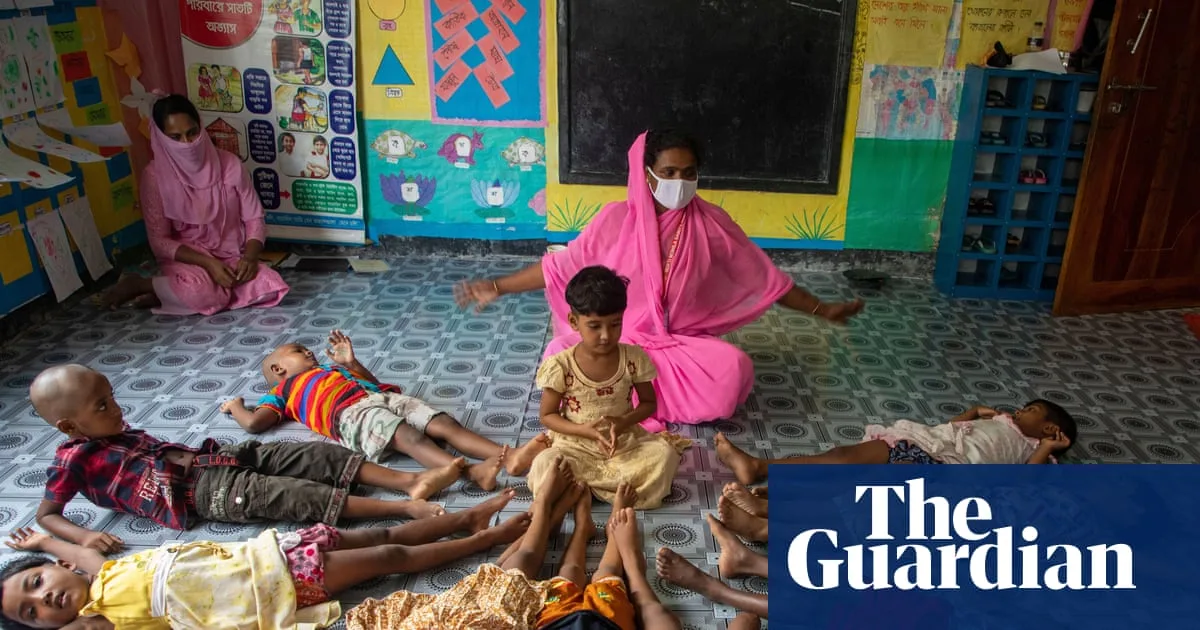
In Daulatdia, a village housing one of the world's largest legal brothels, a simple document—a birth certificate—is now empowering the children of sex workers to attend school for the first time. This breakthrough follows a persistent campaign that has registered hundreds of previously 'invisible' children, granting them fundamental rights and a newfound sense of hope.
Decades of Invisibility Overcome
For generations, children born in the Daulatdia brothel and similar establishments across Bangladesh lived without official recognition. Unable to register due to their mothers' status as sex workers and unknown fathers, they were denied basic citizenship rights, including education, passports, and voting. Campaigners, led by organisations like the Freedom Fund, have now successfully registered all 400 children in Daulatdia, with over 700 more documented in other brothels.
Khaleda Akhter, Bangladesh programme manager for the Freedom Fund, emphasised the impact: "They didn't have the rights of a citizen previously—they were treated as alien in society. This reform gives them their fundamental rights, it makes them feel safer, it gives them hope."
Legal Loophole Uncovered and Utilised
The campaign's success hinges on a previously overlooked stipulation in Bangladeshi law, introduced in 2018, which allows birth registration without parental information. Akhter explained that this clause, though brief and poorly explained, was not widely applied by officials focused on standard procedures. After discovering it, campaigners disseminated the information widely, partnering with civil society groups to identify children, collect data, and lobby local authorities.
This effort has sparked a grassroots movement, with mothers in brothels actively encouraging others to register their babies, recognising that a lack of documentation could lead to lifelong impediments, starting with school enrolment.
Broader Implications for Safety and Education
Beyond education, birth certificates are crucial for protecting children from trafficking and exploitation. Without proof of age, underage girls in brothels are particularly vulnerable to enforced sex work. A 2024 Freedom Fund survey in Dhaka brothels revealed that almost half of sex workers faced forced conditions, with over a fifth under 18.
"If you don't have a birth certificate, you are invisible in the system," Akhter noted. "You are more vulnerable to abuse, trafficking, and exploitation. These documents are not just a tool, it's about survival."
Personal Stories of Transformation
The tangible benefits of registration are evident in personal accounts. Akhter recalled visiting a 14-year-old girl from a fifth-generation brothel family, who expressed joy at receiving her birth certificate. "She said this is the first time she would be able to get a stipend to afford to go to school," Akhter shared. "She felt that finally she had some protection against all the odds she had faced in her childhood."
Previously, parents resorted to alternatives like sending children to unregulated madrasas or finding men to claim paternity, but these methods offered limited security and opportunities.
Looking Ahead
With an estimated 1,300 to 2,000 sex workers and about 400 children in Daulatdia alone, situated near a busy ferry port, this initiative marks a significant step toward inclusivity. The campaign's success demonstrates how legal advocacy and community engagement can dismantle barriers, offering a brighter future for marginalised children in Bangladesh and beyond.