Vibrant New Year Celebrations Across Asia Honour Faith and Harvest
Communities across various parts of Asia welcomed the New Year on Tuesday with a rich tapestry of traditions deeply intertwined with spiritual beliefs and agricultural cycles. These celebrations, observed from South Asia to Southeast Asia, showcased a diverse array of customs that mark both renewal and gratitude for the harvest.
Cambodian Khmer New Year: Blessings Before the Rains
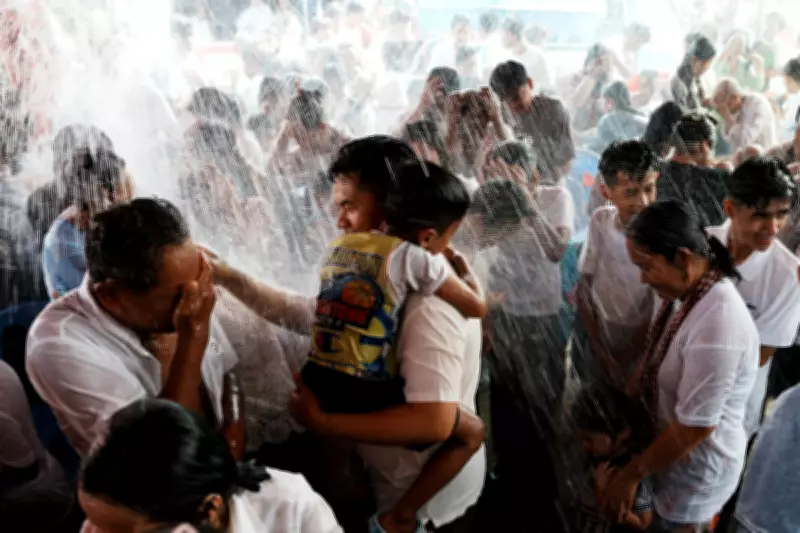
In Cambodia, farmers participated in Khmer New Year ceremonies, gathering to receive blessings from monks who sprinkled holy water. This ritual serves as a moment of reflection and appreciation for the fruits of their labour before the imminent arrival of the rainy season, which is crucial for the next planting cycle.
Bangladeshi Pohela Boishakh: A Secular Spring Festival
The streets of Bangladesh erupted in colour for Pohela Boishakh, the Bengali New Year. The day commenced with an annual concert at the historic Ramna Park, featuring traditional morning ragas. Later, University of Dhaka students led lively processions adorned with vibrant banners and sculptures featuring folk motifs.

This festival has its origins in calendar reforms instituted by Mughal Emperor Akbar, who synchronised the calendar with the agricultural year. Over centuries, Pohela Boishakh has evolved into a distinctly secular celebration of spring harvest and Bangladesh's unique cultural identity.
Sikh Vaisakhi: Harvest Thanksgiving Across Borders
In both India and Pakistan, Sikh communities observed Vaisakhi, a festival that doubles as the Sikh New Year under the solar Nanakshahi calendar. Celebrations included devotional hymns and music, expressing gratitude for the harvest and offering prayers for prosperity in the coming year.
In Pakistan's eastern Punjab province, thousands congregated at Sikh temples, including over 2,000 Indian pilgrims who visited Gurdwara Panja Sahib in Hasan Abdal. Their journey, undertaken despite ongoing political tensions between the two nations, highlighted the powerful unifying force of shared faith and tradition.
Assamese Bihu and Thai Songkran: Rhythmic and Purifying Rituals
In India's northeastern state of Assam, people celebrated Bihu, the harvest festival that heralds a new agricultural season. The festivities were characterised by energetic drumming and spirited folk dances, embodying the joy of renewal.
Meanwhile, in Thailand, the Thai New Year was marked by the Songkran festival. The traditional ritual of splashing water, symbolising purification and the invocation of good fortune, has expanded in modern times. As temperatures soared above 37 degrees Celsius (100 degrees Fahrenheit), thousands of locals and tourists engaged in public water fights, blending ancient symbolism with contemporary revelry.
These photographs, curated by Associated Press photo editors, capture the essence of these diverse New Year celebrations, illustrating how faith, harvest and cultural heritage continue to shape communal identities across Asia.