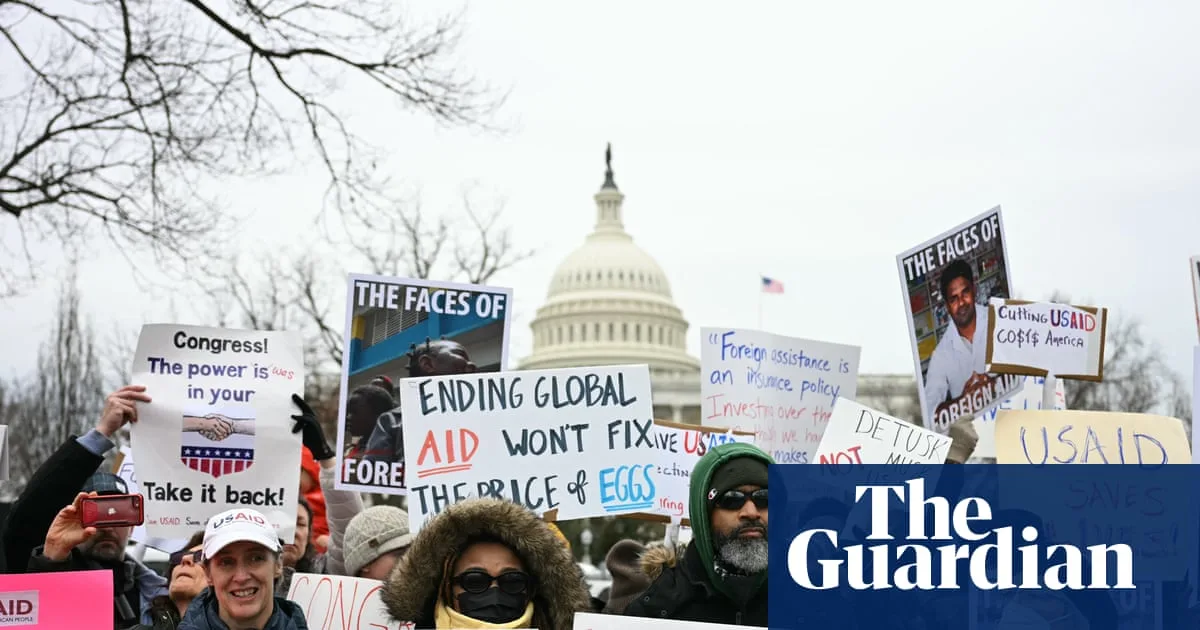
The abrupt termination of USAID programmes in January 2025 sent shockwaves through global health systems. Clinics shuttered, leaving millions without access to vital medicines and facilities, with experts warning of deadly consequences for HIV patients, children, and women. This move, which slashed 83% of the agency's programmes, was followed by a strategic rebuilding effort that campaigners warn is paving the way for a fundamental reshaping of international health priorities.
The New Blueprint: Bilateral Deals and Ideological Conditions
Key to this new phase are the bilateral aid agreements the United States is now negotiating with governments worldwide. According to Beth Schlachter, senior director at MSI Reproductive Choices, these deals will likely come with conditions that restrict family planning services. She describes the current moment as a "complete Trojan horse", where governments eager for renewed US funding may be forced to comply with the administration's values as payback.
This aligns with an expanded "global gag rule", set to come into force in early 2026, which for the first time will apply to governments. It will require recipients of US health funding to certify that neither they, nor any partner NGOs, promote or provide abortion services. In countries like Kenya, which relied heavily on USAID for contraceptives, the loss of funding has already caused severe shortages, turning women away from essential care.
The Protego Project: Turning Declaration into Policy
Central to the ideological shift is the Geneva Consensus Declaration (GCD), a 2020 manifesto rejecting an international right to abortion. In October 2025, the Institute for Women’s Health in Washington DC celebrated its fifth anniversary, welcoming Guinea as the 40th signatory state. Valerie Huber, president of the institute and the GCD's architect, aims to reach 80 countries within three years.
Huber is now spearheading the Protego project, designed to turn GCD principles into active policy. It promotes a "Women’s Optimal Health Framework", which critics argue is dressed in progressive language but lacks scientific basis. Jamie Vernaelde of Ipas notes it barely mentions modern contraception, excludes marginalised communities, and prioritises parental rights over children's access to comprehensive sexuality education (CSE).
Pilot programmes are already underway. In Guatemala, a nation with high teen pregnancy rates, Protego launched a parent-child communication guide emphasising parental control. In Uganda, an early GCD sponsor, First Lady Janet Museveni endorsed the project in February 2024, with a school curriculum intended as an alternative to UN-backed CSE.
Destruction, Consolidation, and Creation
Neil Datta of the European Parliamentary Forum for Sexual and Reproductive Rights characterises the strategy in three phases: destruction, consolidation, and creation. The USAID shutdown was the destruction. The new bilateral agreements represent consolidation. The creation phase involves establishing alternative services, such as crisis pregnancy centres and abstinence-based education, funded by governments or church-organised NGOs.
These alternatives are gaining political and financial traction. A report by Datta found that in Europe alone, this "alternative framework" received over $130 million in funding between 2019 and 2023. With renewed US support, the expanded gag rule, and projects like Protego, a potent funding and legal framework is emerging to promote these services globally.
The human cost, campaigners stress, will be severe. Nelly Munyasia of Reproductive Health Network Kenya warns of increased surveillance on organisations, deregistrations, and a rise in deaths from unsafe abortions. "If programmes shrink it will mean more pregnancy, more unsafe abortions, more women dying," says Schlachter. While some nations like Zambia are boosting domestic family planning budgets to maintain sovereignty, others like Kenya, with zero domestic funding, remain acutely vulnerable to the conditions attached to new aid.