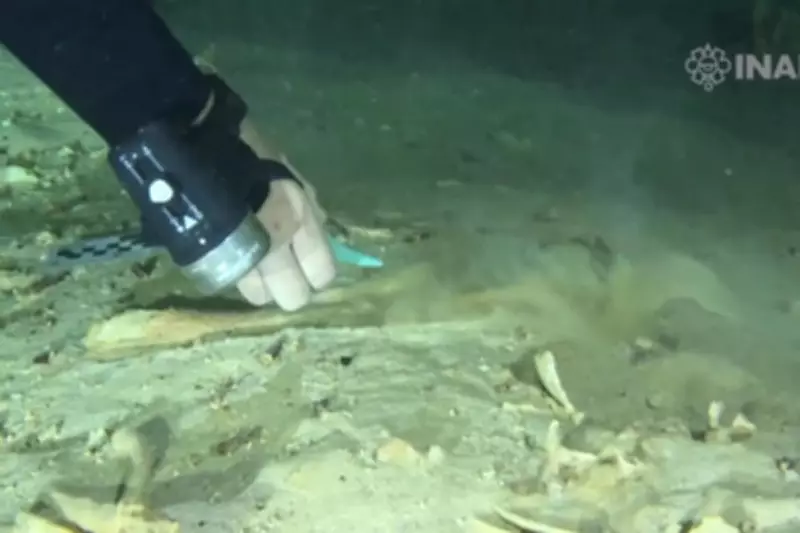
A prehistoric human skeleton, estimated to be approximately 8,000 years old, has been unearthed in a flooded cave located in Mexico, offering intriguing insights into ancient ritualistic practices. The discovery was made by cave-diving archaeologist Octavio del Río, who found the remains in a sinkhole cave situated about 26 feet, or 8 meters, below the surface.
Intentional Placement Suggests Ritual Significance
The skeleton was propped on a dune of sediments within an interior chamber of the cave, a positioning that strongly implies intentional placement rather than accidental deposition. Researchers have interpreted this as evidence of a 'funereal deposit,' indicating that the body was likely part of a deliberate ritual conducted by prehistoric communities in the area.
Historical Context and Regional Discoveries
This find marks the 11th such skeleton discovered in the caves between the popular tourist destinations of Tulum and Playa del Carmen over the past three decades. The consistency of these discoveries across multiple sites suggests that such ritual practices may have been widespread among ancient populations in this region, potentially linked to spiritual or ceremonial beliefs related to water and caves.

The flooded cave environment has preserved the skeleton remarkably well, allowing archaeologists to study it in detail. This preservation offers a rare glimpse into the burial customs and social structures of prehistoric societies, which often used natural features like caves for interment purposes. The discovery underscores the importance of underwater archaeology in uncovering hidden chapters of human history, particularly in areas where land-based sites have been eroded or destroyed over millennia.
Further analysis of the skeleton and its surroundings is expected to provide more clues about the age, sex, and health of the individual, as well as the specific rituals involved. Such findings contribute to a broader understanding of how early humans in the Americas honored their dead and interacted with their environment, highlighting the rich cultural heritage of Mexico's ancient past.