Aid Worker Joseph Figueira Martin Freed After Two-Year Detention in Central African Republic
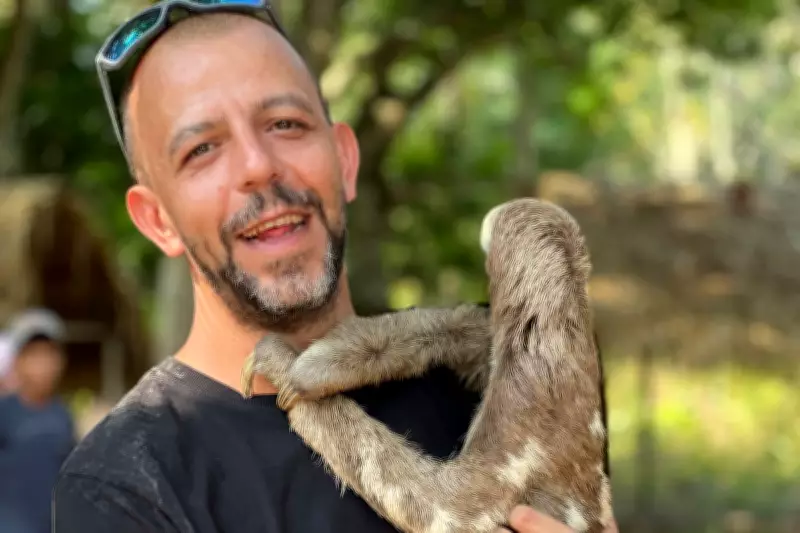
Joseph Figueira Martin, a detained aid worker who had been held in the Central African Republic for nearly two years, was freed on Tuesday, according to his family's statement to The Associated Press. His brother confirmed the release, noting that "the rumor is real and he should land in Lisbon in a couple of hours."
Background of the Detention and Allegations
Figueira Martin, a dual Belgian-Portuguese citizen working as a consultant for the American aid organization FHI 360, was arrested in May 2024. The Central African Republic prosecutor's office cited allegations of spying, communication with armed groups to plot a coup, and jeopardizing national security as reasons for his detention.
His arrest occurred in Zemio, a town in the country's southeast that has experienced prolonged conflict between ethnic militias and anti-government rebels for over a decade. During his imprisonment, Figueira Martin was held in a military prison and initiated a hunger strike to protest the harsh conditions of his detention.

Government Response and Broader Context
As of Tuesday, the government has not officially confirmed his release or commented on the status of his legal case. This incident highlights the rare but increasing scrutiny of foreign aid workers in the Central African Republic, where authorities are tightening control over non-governmental organizations operating in conflict zones.
Following Figueira Martin's arrest, officials warned foreign NGO workers against engaging in activities that could threaten national security, threatening judicial proceedings for violations. This move reflects the government's efforts to assert authority in regions where the military is combating armed groups.
Conflict and International Involvement in Central African Republic
The Central African Republic has been embroiled in conflict since 2013, when predominantly Muslim rebels seized power, ousting then-president François Bozizé. This triggered retaliatory actions by mostly Christian militias. Although a 2019 peace agreement temporarily reduced hostilities, six of the 14 armed groups that signed later withdrew from the deal, perpetuating instability.
Additionally, the Russian mercenary group Wagner is active in the country, supporting efforts to repel armed rebel groups and maintain President Faustin-Archange Touadera's power, who has held office since 2016. This international presence underscores the complex geopolitical dynamics influencing the region's security and humanitarian operations.