In the summer of 1978, a team of Soviet geologists made an astonishing discovery in the remote western Sayan mountains of southern Siberia. While searching for a helicopter landing site, their pilot spotted a garden and a dwelling, an incredible 150 miles from the nearest settlement. This chance encounter revealed the Lykov family, who had lived in complete isolation for over four decades, untouched by the modern world.
The Discovery of a Lost World
When the geologists ventured to the mysterious homestead, they were met by Karp Osipovich Lykov, the family patriarch, dressed in patched sacking cloth. Inside their tiny, dark cabin, his two adult daughters, Natalia and Agafia, were found weeping and praying. The family's two middle-aged sons, Savin and Dmitry, lived separately by the riverside. It quickly became apparent that none of the Lykovs had interacted with outsiders for decades, creating a living time capsule of a bygone era.
A Life Apart from Modernity
The Lykov children had never seen bread, and when offered it by the geologists, they refused with the phrase "We are not allowed that." Their speech was archaic and difficult to understand, described by one geologist as "a slow, blurred cooing." The family were Old Believers, members of a schismatic Orthodox Christian sect that rejected 17th-century liturgical reforms, leading to centuries of persecution and retreat into Russia's vast wilderness.
The Old Believer Tradition
Old Believers emerged in the mid-17th century after Patriarch Nikon amended Russian Orthodox liturgy to align with Greek Orthodox practices. Those who rejected these changes faced brutal persecution, including burning, torture, and imprisonment. Many sought refuge in Russia's forests, viewing isolation as a path to holiness. For the most radical Old Believers, the forest became their desert, a place of spiritual purity away from a sinful world.
Centuries of Retreat
Throughout the 18th and 19th centuries, Old Believers continued to retreat deeper into remote areas, particularly Siberia. They became celebrated in Russian literature, most notably in Pavel Melnikov-Pechersky's novel In the Forests, which romanticised their connection to the wilderness. However, this literary fascination contrasted with ongoing official efforts to force conformity, creating a complex cultural relationship between Old Believers and mainstream Russian society.
The Lykovs' Journey into Isolation
Until the 1920s, Karp Lykov's family lived peacefully in an Old Believer village in the Altai region. However, increasing pressure from Soviet authorities, including the creation of nature reserves that restricted hunting and fishing, forced them to move deeper into the wilderness. In 1934, they embarked on their final retreat, disappearing completely from contact with the outside world for 44 years.
Survival Against All Odds
The Lykovs' existence was one of extreme hardship. They survived on what the taiga provided: pine nuts, berries, mushrooms, and occasional fish or game. Their agricultural efforts were minimal, relying on potatoes, turnips, and rye when conditions allowed. During a severe famine in 1961, they were reduced to eating leather shoes, bark, and birch buds, resulting in the death of matriarch Akulina from starvation.
Life After Discovery
Following their discovery, the Lykov family became objects of fascination for the Russian public. Journalist Vasily Peskov documented their lives extensively, sharing their story with a nation that saw in them both exotic relics and relatable survivors. The family gradually accepted some modern conveniences, though they maintained their core principles, refusing medical help even when it led to tragedy.
Tragedy and Endurance
Between 1978 and 1981, three of the Lykov children died. Dmitry succumbed to pneumonia after refusing medical treatment, while Savin and Natalia may have fallen ill from diseases introduced by the geologists. This left only Karp and his youngest daughter, Agafia, to continue their isolated existence. After Karp's death, Agafia remained in the taiga alone, becoming the last of her family.
Agafia's Continuing Story
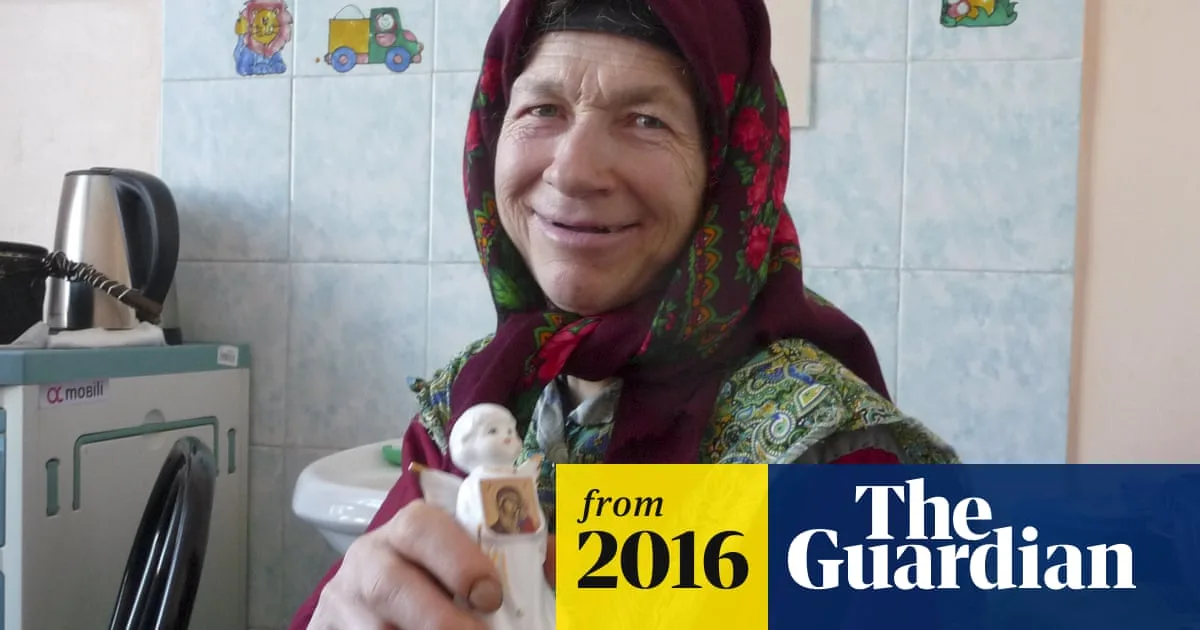
Agafia Lykova has become a national icon in Russia, representing endurance, faith, and traditional values. Despite opportunities to leave, she has chosen to remain in her remote homestead, though her life has gradually become more connected to the outside world. She now has a telephone for emergencies and receives regular assistance, including helicopter deliveries of supplies.
Modern Paradoxes
In a remarkable twist, Agafia's survival now depends on support from figures like oligarch Oleg Deripaska, who funded a new cabin for her in 2021. She has become a YouTube sensation, with videos about her life garnering millions of views, even as she maintains her simple, traditional lifestyle. This creates a paradoxical situation where Russia's most famous hermit depends on modern technology and wealthy patrons for her continued existence in the wilderness.
Cultural Significance and Legacy
The Lykovs' story resonates deeply with Russian cultural narratives of martyrdom, endurance, and spiritual purity. They represent a living connection to a pre-modern Russia, having bypassed Stalin's purges, the Second World War, and Soviet industrialisation. Their experience of starvation echoes traumatic episodes in Soviet history, while their self-sufficiency appeals to contemporary anxieties about modern life.
A Living Testament
Agafia Lykova continues to live in her remote Siberian home, now assisted by an Old Believer novice from Moscow. Her story challenges assumptions about isolation and modernity, showing how traditional ways can persist even in a hyper-connected world. As the last member of her family, she represents both the endurance of Old Believer traditions and the inevitable changes that come with time, creating a complex legacy that continues to fascinate Russia and the world.