Social clubs across Britain, once the heart of communities, are struggling to survive amid a funding crisis. A national survey for The Centre for Democratic Business found that four in five clubs rate their financial health as 'poor' or 'fair', with more than a third already borrowing to stay afloat. Nearly three-quarters expect to need additional credit soon, and 96 per cent say they require help with fundraising.
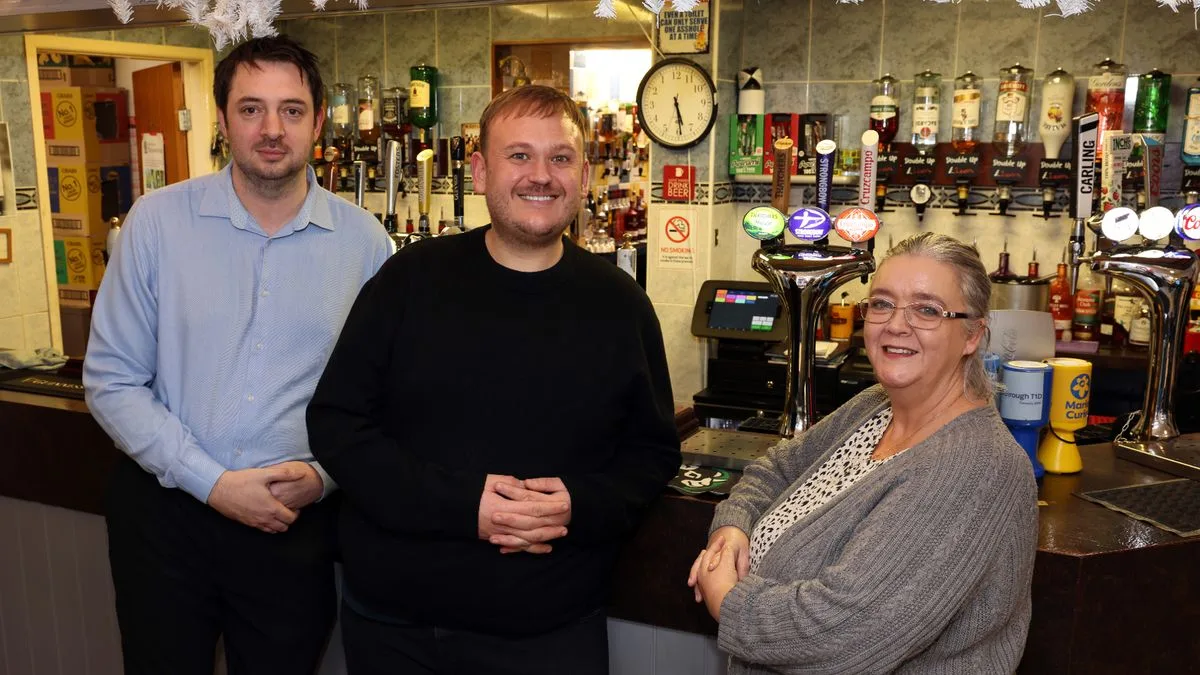
One such club is the Guiseley Factory Workers Club in West Yorkshire, founded in the early 1900s to serve local mill and dyehouse workers. President Roger Priestley, 74, has been a member since his first legal pint there in 1969. 'It's a sort of family,' he said. 'I love coming here, especially in winter. It's warm and there's people. What else would you do? Watch TV?' The club now has 430 members and hosts events from tribute acts to female rugby teams and men's mental health discussions.
Club Secretary Sarah Parker, 54, highlighted the club's inclusive atmosphere. 'As a woman you could come in here on your own and feel completely safe. You'll always have someone to talk to here. It's intergenerational,' she said. 'It's a space for lots of different people and there aren't that many of those.'
Further north, the Bilston Miners' and Welfare Social Club in Scotland serves as the only community facility in the village after the last pub closed a decade ago. Committee member Ross Gilligan, 49, said: 'If you lose these clubs then they're gone forever. We are here to beat some of the social isolation you get, especially at this time of year.' The club offers line dancing, bingo, karaoke, and family events.
Labour and Co-operative MP Kirsty McNeil, who represents Bilston, has been leading efforts to save social clubs through the Co-op Party's 'Club Together' campaign. She recently took a delegation of club leaders to 10 Downing Street. 'Social clubs are magical places,' she said. 'At social clubs you are just you, level with everyone else. The club belongs to you. No-one can sell it or change it unless they can persuade everyone sitting along the bar.'