Teacher and Rugby Coach Permanently Struck Off Following Serious Sexual Offences
A former teacher and rugby coach, who was convicted of upskirting schoolgirls and storing extreme pornography on his laptop, has been banned from teaching for life. Richard Lees, aged 44, worked at Holy Family Roman Catholic and Church of England College in Lancashire before his arrest and subsequent conviction.
Convictions and Sentencing Details
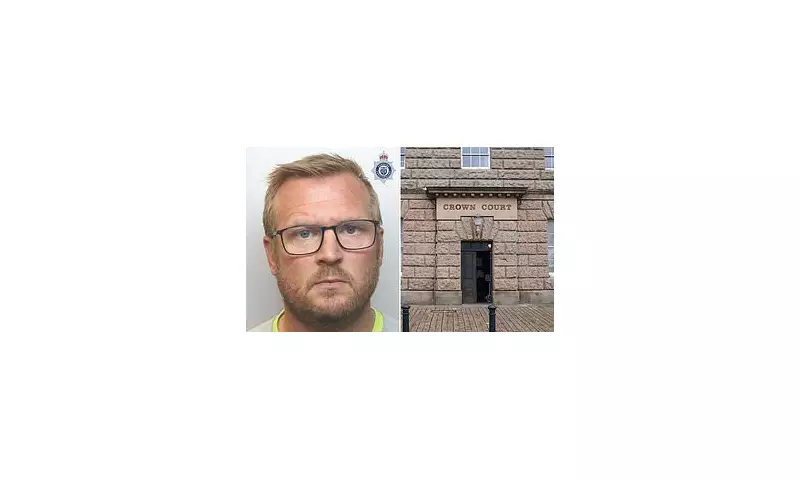
In November 2024, Lees was found guilty of multiple offences at Chester Crown Court. His convictions included four counts of voyeurism, recording images beneath the clothing of another person, and three counts of making indecent photographs of children. Additionally, he was convicted of possession of indecent photographs of a child and possessing an extreme photographic image.
On Friday, February 7, 2025, he received a two-year jail sentence. Following this, a teaching misconduct panel conducted a review and ruled that he presented a continuing risk to women and girls, leading to his permanent removal from the teaching profession.

Investigation and Discovery of Evidence
The case against Lees began when he was first arrested in July 2022 for an unrelated offence, though police took no further action on that matter. During that initial investigation, officers seized a personal encrypted hard drive and laptop. Forensic analysis revealed the presence of the most severe category A images of children, alongside extreme pornography.
Further examination uncovered upskirting photos of schoolgirls that appeared to have been taken on school grounds. Additionally, police found videos he had recorded of women in the bathroom at his home without their knowledge or consent.
Lees was arrested again in September 2024 and charged with new offences the following month, leading to his eventual conviction and sentencing.
Misconduct Panel Findings and Judicial Comments
The teaching misconduct panel that investigated Lees concluded that his actions involved serious sexual offences, some of which involved children. They noted gross breaches of trust and highlighted that offending occurred both inside and outside the school environment, raising significant safeguarding and wellbeing concerns for pupils.
Specifically, the panel pointed out that the offences relating to indecent photographs were on a school computer. They also observed a lack of apparent remorse from Lees and determined that the risk of repetition was high.
During sentencing, the judge addressed Lees directly, stating, It seems that you are somebody who finds it difficult to display empathy. The judge acknowledged that Lees had shown shame but criticised his attempt to distance himself from the image offences by claiming they just appeared on your computer.
The judge dismissed this defence as nonsense, noting Lees's ability to use computer equipment covertly. He added, It seems to me that you are not really ready to take responsibility for the fact that you have an unhealthy interest in viewing images of this type.
Risk Assessment and Professional Disgrace
Probation assessments presented in court indicated that Lees posed a high risk of serious harm to females with whom he had social contact, as well as a high risk to children. The judge emphasised the breach of trust involved, saying, People send their children to school and have a right to believe that they will be safe with their teachers.
He concluded by stating that Lees's actions had disgraced your profession and were quite appalling.
Lifetime Ban and Future Implications
As a result of the misconduct panel's decision, Richard Lees is now prohibited from teaching indefinitely. This ban applies to all schools, sixth form colleges, relevant youth accommodation, and children's homes across England.
He will not be permitted to apply for restoration of his teaching eligibility. However, he retains the right to appeal to the High Court within 28 days of receiving formal notice of the order.