Starbucks Korea will temporarily shut all its stores nationwide for a mandatory history lesson following a disastrous promotion that evoked memories of a pro-democracy massacre, sparking public and political backlash.
Store Closures and Training
More than 2,000 stores will close at 3pm on 22 June, the company announced, so staff can watch recorded lectures on modern Korean history and undergo social sensitivity training. The half-day closures are estimated to cost Starbucks about 2.1 billion won ($1.4 million) in lost sales, according to data firm IGAWorks.
Background of the Controversy
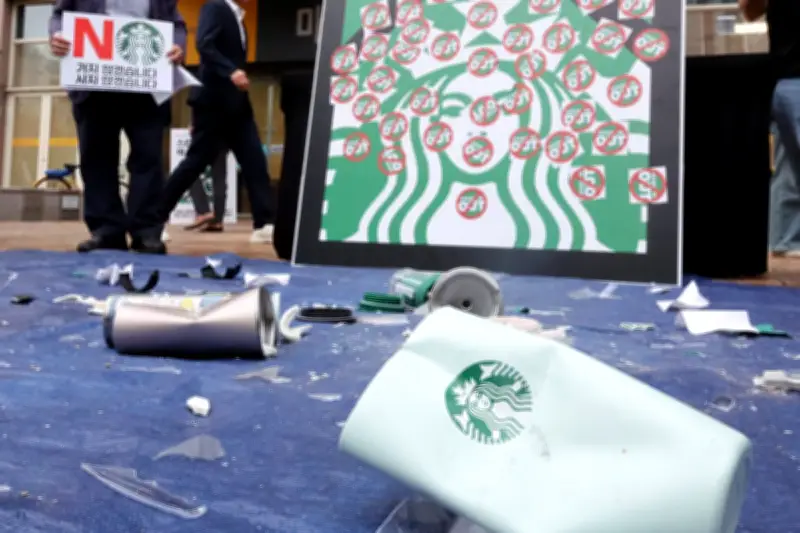
The measures come after a public relations crisis erupted when Starbucks Korea ran a discount promotion for its Tank tumbler series on 18 May, the anniversary of the 1980 Gwangju massacre. The promotion led to store boycotts, customers smashing Starbucks mugs and tumblers, and government ministries cutting ties with the chain.
Chung Yong-jin, the billionaire chair of Shinsegae Group, which operates Starbucks Korea under licence from its US parent company, will undergo the same training on 24 June alongside other executives. The curriculum covers major events in contemporary Korean history and how companies should consider historical and social sensitivities in marketing decisions.
Company Response
Shinsegae stated that the shutdown was intended to demonstrate the seriousness with which it viewed the incident and to prevent similar controversies. The only exceptions will be a handful of outlets at airports, a company spokesperson said.
Payment volumes, which dropped 26% in the week after the controversy, have shown signs of partial recovery, rising 12.8% in the first week of June, according to market data, but they remain about 25% below pre-controversy levels.
The Gwangju Massacre
The Gwangju massacre remains a painful memory for many South Koreans. Over ten violent days in 1980, paratroopers crushed pro-democracy protests against military strongman Chun Doo-hwan. Victims' groups say hundreds were killed.
Starbucks branded the date of its promotion Tank Day and featured the slogan thwack on the desk, which evoked a notorious police explanation for the 1987 torture death of student activist Park Jong-chul. Authorities had falsely claimed he died after an officer hit the desk with a thwack during questioning.
Marketing Missteps
Marketers chose the thwack slogan after consulting an AI tool for suggestions, Shinsegae Group said. It turned out that some managers who approved the campaign never opened the email attachments showing the marketing material. The company pulled the campaign within hours, but the fallout was swift, and the chief executive was sacked the same day.
Starbucks said it was deeply sorry for an unacceptable marketing incident and that it should never have happened. Chung issued a written apology and also apologised in a televised press conference where he bowed three times.
Starbucks' Seattle headquarters sent a written apology directly to the May 18 Foundation, one of the main bodies representing Gwangju victims, after the foundation wrote to the company demanding a formal response.
Ongoing Investigations
An internal investigation found no evidence of deliberate intent, though a police investigation is ongoing. Chung and the former chief executive have been registered as criminal suspects by Seoul police.
Attitudes toward the Gwangju Uprising remain one of the deepest fault lines in South Korean society. Far-right groups have kept alive a decades-old, discredited state narrative that the Gwangju protesters were North Korean sympathisers, a claim the supreme court ruled false and defamatory earlier this year.