There are few things more comforting than the aroma of freshly baked bread filling your home. Making bread is surprisingly simple and offers great rewards for minimal effort. One of the most essential ingredients for a perfect loaf is yeast, but which type should you use? Two common varieties are active yeast and instant yeast.
What Is Yeast?
Yeast is a single-celled organism that requires food, moisture, and warmth to thrive. It feeds on sugars and starches through a process called fermentation, producing carbon dioxide and alcohol. The carbon dioxide gas creates bubbles that cause the dough to rise, giving bread its light, airy texture.
Active Yeast
Active yeast refers to dry yeast that must be activated before use. To activate it, you dissolve the yeast in warm water with a bit of sugar and let it sit until it becomes frothy—a process known as "blooming." This step is necessary because the yeast organisms are dormant until they are rehydrated and fed. If your active yeast has been stored for a long time, it may have expired. You can tell because expired yeast will not form light, foamy bubbles when mixed with water. Active yeast is also less shelf-stable than instant yeast.
Instant Yeast
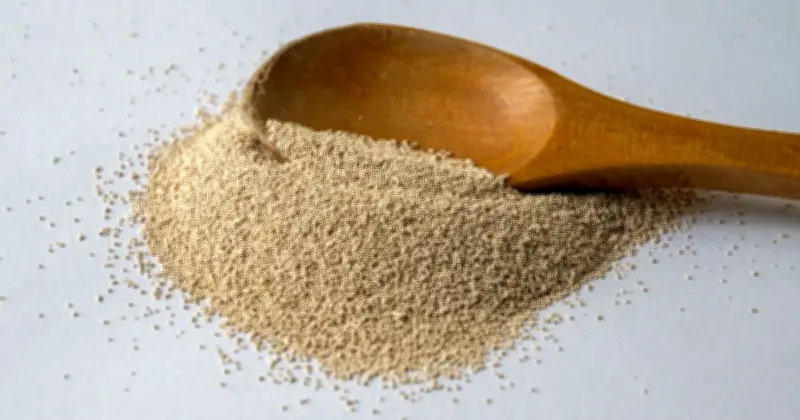
Instant yeast has smaller, finer granules compared to active yeast. It does not need to be dissolved in warm liquid first; you can add it directly to your dry ingredients. Instant yeast works faster, causing the dough to rise more quickly. It often produces a lighter, airier bread, making it a convenient choice for bakers who want to save time.
Key Differences at a Glance
- Activation: Active yeast requires blooming in warm water with sugar; instant yeast can be mixed directly with dry ingredients.
- Granule Size: Active yeast has larger granules; instant yeast has finer granules.
- Shelf Stability: Instant yeast is more shelf-stable than active yeast.
- Rise Time: Instant yeast causes dough to rise faster than active yeast.
- Texture: Instant yeast can produce a lighter, airier bread.
Both types of yeast will give your bread that characteristic fermented flavor and a good rise. Choosing between them depends on your recipe and personal preference. If you have more time and want to follow traditional methods, active yeast is a great choice. For quicker results and convenience, instant yeast is ideal.