Bradford's 1 in 12 Club: 45 Years of Anarchic Resistance and Community Spirit
In the early 1980s, Bradford was a city facing profound challenges. "Things were getting grim," recalls Gary Cavanagh, a key figure in the city's claimants union. "There was a hell of a lot of unemployment, and people were thrown on the scrap heap." It was against this backdrop of economic hardship and political tension that a remarkable institution was born—one that would defy the odds for decades to come.
From Government Statistic to Radical Identity
The origins of the 1 in 12 Club are rooted in a provocative government claim. In 1981, a report asserted that one in twelve people receiving unemployment benefits were committing fraud. Cavanagh and his colleagues, who were actively assisting Bradford's poor and unemployed, found this statistic both ludicrous and offensive. Rather than accept it, they reclaimed it. "We became the 1 in 12 Club," Cavanagh explains, transforming a negative label into a badge of solidarity and resistance.
Initially, the club operated as a nomadic entity, hosting gigs and leftwing political meetings in the upstairs rooms of local pubs. It provided a crucial space where unemployed individuals could see bands like New Model Army at affordable prices, forge friendships, and engage with the club's core anarchist principles: self-management, co-operation, and mutual aid. These values were encapsulated in the trio of words that still adorn a mural at the club's permanent home: liberty, equality, solidarity.

A Permanent Home Forged Through Volunteer Effort
Since 1988, the 1 in 12 Club has been based in a dedicated building—a space that required two years of intensive voluntary labour to convert. This three-storey hub is a testament to community dedication, featuring a cafe, a members' bar, a games room, and an extensive library. Every wall is plastered with leftist stickers and posters, creating an environment that is both visually striking and ideologically charged.
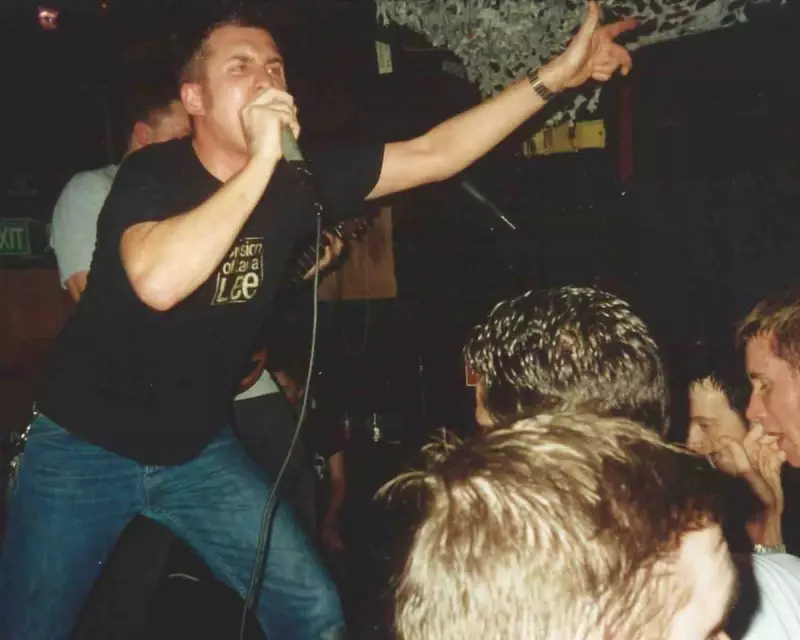
The 90-capacity gig room has hosted an incredible array of performances over the years, from legendary acts like Pulp and Bikini Kill to booming raves and intimate shows. "Some gigs were so hot and ridiculous, with eight of us on that tiny stage," remembers Alice Nutter of Chumbawamba. "You’d have sweaty black water dripping on you but the atmosphere was great."
More Than Just a Music Venue
The club's significance extends far beyond its role as a performance space. As Nutter emphasises, "It’s always been more than a venue." She has participated in reading groups, been involved with the peasant collective—which provides free communal meals using produce from the club's allotments—and her partner once played for the club's football team. The bar, she notes, is a place where you can always find someone to share a pint with, "who isn’t a wanker."
This ethos of inclusivity and opportunity is central to the club's identity. Nutter's first play was performed there, thanks to the club's open-door policy for creativity. "If you have the creativity, they will facilitate it," she says. "No one said no. If you were willing to put the work in, you could use the building—they would give you the keys." This stands in stark contrast to the financial barriers often found in traditional theatre, where productions can cost thousands.
Confronting Fascism and Fostering Free Thought
From its earliest days, the 1 in 12 Club faced external threats, particularly from the far-right National Front. "We were always fighting fascists," states Cavanagh. "We were threatened but we always took on those people." Yet, despite its strong political foundations, the club does not impose ideology on its visitors. "We aren’t a summer school for Marxists," Cavanagh clarifies. "We’re not browbeating people with political dogma. We just encourage people to think for themselves."

E, a trustee who has been attending since his early teens, echoes this sentiment. "Not everyone here would define themselves as an anarchist," he observes, describing the club simply as "an intersectional or leftist space—just somewhere you can go to be yourself." He recalls his first visit vividly: "I’d never seen a space like this before. I remember a bunch of teenagers—along with punks, hippies, all sorts—all spilling outside into the street. I’m from a Traveller background but nobody looked at you wrong or assumed anything about you. It quickly became a home from home."
Playful Resistance and Lasting Legacy
The club's approach to outsiders has often been characterised by a sense of humour and theatricality. In 2008, when the Canadian post-hardcore band Fucked Up arrived with the NME in tow, members greeted them with a giant cardboard Trojan horse bearing the message "NME Out of Our Scene"—which they then proceeded to smash to pieces. This playful prank exemplified the club's spirit of defiant independence.
Today, the 1 in 12 Club remains entirely independent and volunteer-led, sustained by bar income and the occasional grant. Its longevity is a point of pride, but also a reflection of ongoing social needs. "Part of the longevity is that there’s still a need for us," Cavanagh reflects, noting the recent emboldenment of the far-right in Bradford. "It upsets me that we’re still fighting the same battles, but we’ve got a strong cultural resistance in Bradford and we’re part of that. Liberty, equality, solidarity. That’s what we started with and that’s what we’re still trying to do."
A Celebration Tempered by Loss
The club's 45th anniversary is being marked by a new book and a three-part podcast series, produced in collaboration with the cultural history organisation Home of Metal as part of Bradford's year as the 2025 UK City of Culture. These projects feature contributions from members and bands including Lankum, Chumbawamba, Therapy?, and Neurosis, ensuring that the club's rich history is documented and celebrated.
However, this celebratory period has also been tinged with sadness following the recent loss of "vital" and "instrumental" founding member Tony Grogan. Cavanagh, now the sole remaining founder, continues to be actively involved, and his daughter has become a member, symbolising the intergenerational appeal of this unique institution.
As Bradford looks to the future, the 1 in 12 Club stands as a powerful reminder of the enduring importance of community, creativity, and resistance. For 45 years, it has provided a sanctuary for those seeking liberty, equality, and solidarity—and it shows no signs of stopping.