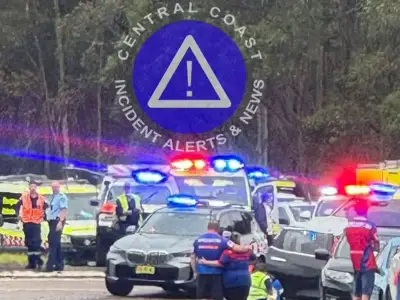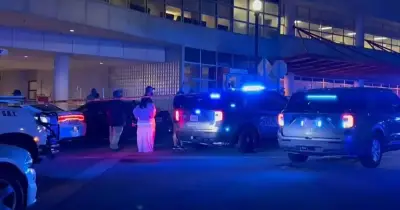
Trinidad and Tobago, once a Caribbean paradise for British tourists and retirees, has become one of the most dangerous places in the world, with gunmen killing in broad daylight and gangs controlling communities. The latest British victim, Elaine McGowan, 65, a former Kent pub landlady, was shot dead outside her godfather's home in Trincity on July 5. She was standing with her husband Ian on De La Mare Avenue when a silver Nissan pulled alongside them; a gunman climbed out, opened fire, and fled. McGowan, who ran The Castle Hotel in Saltwood near Hythe from 2019 until last summer, was rushed to hospital but pronounced dead on arrival. Friends remembered her as a "brilliant, helpful and lovely lady."
Murder Rate Soars Amid Gang Turf Wars
Trinidad and Tobago, with a population of just 1.5 million, recorded a record 623 murders in 2023, nearly half gang-related. That is more than five times the number from three decades ago, when the country was considered one of the Caribbean's most peaceful destinations. Its murder rate has overtaken Jamaica's and is second only to Haiti in the region. The violence is driven by cocaine trafficking, turf wars, and the proliferation of high-powered firearms. Trinidad sits just seven miles off Venezuela, making it a key transit point for South American cocaine heading to Europe.
In response to an eruption of violence, including an ambush on an alleged gang leader and a revenge attack that left five dead, the government imposed a state of emergency in early 2024, giving police wider powers to search homes and detain suspects. The murder count fell during the first four months, with 203 killings compared with 303 a year earlier, but few believe the gangs have been defeated.
British Victims Span Generations
McGowan's death follows the brutal murders of British solicitor Richard Wheeler, 73, and his wife Grace, 67, who were hacked and beaten to death in their Tobago home in 2015. The couple had endured seven break-ins and installed a high-tech alarm system and guard dogs, but neither saved them. Their killers are believed to have lain in wait before ambushing Grace as she put the car away. She suffered appalling injuries to her skull and had her throat cut with what police believed was a cutlass. Richard was beaten so badly that the pathologist compared his injuries to those suffered in a high-speed head-on crash. In 2016, promising British cricketer Adrian St John, 22, was shot in the head during a robbery.
Swedish couple Anna Sudsval, 62, and Oke Olsoon, 73, were hacked to death in 2008, and Germans Hubertus Keil, 74, and his wife Birgid, 71, were killed in 2014. British couple Peter and Murium Green survived a savage attack but suffered life-changing injuries and returned to the UK, accusing police of being "grossly negligent." A man was charged with attempting to murder them, but the case was dropped due to lack of evidence.
Impunity and Fear Grip Communities
Local resident Kareem Mohammed, 27, whose family home was raided by armed robbers posing as police officers, said: "By nightfall, most people want to be safely behind their own doors. You are always thinking about whether you could be held up or attacked. Crime has changed the way everybody lives." Another resident, Kenneth Ralto, said after the Wheelers' murders: "There is bloodshed in our country every day. There have been more murders than days of the year. Our police are incompetent. God knows how many killers we have roaming free who will never face justice. We're lucky if five per cent of them are ever caught."
Cases can take years to reach court, investigations collapse, and witnesses are frightened into silence. One suspect was only due to face trial for a killing committed almost 20 years earlier. The failure to secure convictions has fed the belief that killers can act with impunity.
Asylum Applications Surge
The crisis is reaching Britain in another way: there were 439 asylum applications from citizens of Trinidad and Tobago in 2023, nine times the number a decade earlier. Some applicants are fleeing genuine gang threats, while others are suspected of involvement in criminal networks. A local source claimed: "There are big drug lords in Trini who are killing people, and when it's time to face the consequences, they are claiming asylum in the UK, saying there are people trying to kill them."
Tourism officials fear the violence will destroy an industry worth millions of pounds. The US government advises its citizens to reconsider travel due to serious crime risks, and Britons seeking retirement in the sun are increasingly looking elsewhere. Trinidad and Tobago remains a country of breathtaking beauty, proud communities, extraordinary music, and generous people, but the dream has become a dangerous illusion. Gates are growing higher, guard dogs fiercer, and streets quieter each night.