Car theft has entered a frightening new digital era, with tech-savvy criminals now bypassing traditional security in seconds using inexpensive gadgets that exploit keyless entry systems. This modern method, known as a relay attack, has become the dominant form of vehicle crime, even as overall theft rates show a decline.
The High-Tech Heist: How Relay Attacks Work
Gone are the days of smashed windows and hot-wired ignitions. Today's thieves employ a cunning technique that tricks a car into thinking its legitimate key fob is nearby. The process involves two small, readily available signal amplification devices.
One accomplice stands near the target vehicle, while another positions themselves close to the owner's key, often just outside their home. The first device captures the faint signal from the fob inside the house and relays it to the second device by the car. The vehicle, believing its key is present, obediently unlocks and allows the engine to start, enabling a clean getaway in moments without a single broken window.

This method accounts for a staggering over 80 per cent of keyless car thefts in the United States. The tools required can be bought cheaply online, and social media platforms like TikTok have seen tutorials and dangerous trends, such as the 'Kia Challenge', spread rapidly, leading to widespread thefts of vulnerable models.
A Transatlantic Problem: From US Streets to UK Drives
The scale of the issue is significant on both sides of the Atlantic. In the US, while total vehicle thefts fell from over a million in 2023 to roughly 850,000 in 2024, keyless models remain the prime target. Data from the first half of 2025 shows a further 23 per cent drop, yet the threat persists.
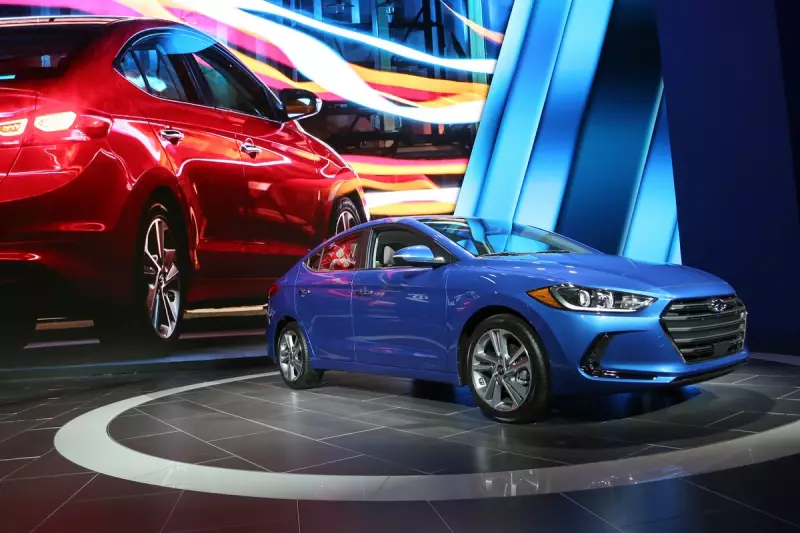
According to the U.S. National Insurance Crime Bureau, every model on the list of the ten most-stolen vehicles in early 2025 featured keyless entry. The Hyundai Elantra, Hyundai Sonata, and Honda Accord topped this worrying chart.
A similar pattern is emerging in the UK. Recent research indicates that 58 per cent of vehicle thefts between April 2023 and March 2024 involved the signal manipulation of remote locking devices. This marks a fourfold increase compared to the figures from 2018–2019, highlighting a rapid escalation of the threat.
The vulnerability isn't limited to mainstream brands. This year, Autoblog reported that Tesla's Model 3 and Model Y are susceptible to 'Bluetooth low energy (BLE) relay attacks', exploiting the phone-as-key convenience unless advanced features like PIN-to-drive are activated.
Fighting Back: How to Shield Your Keyless Car
Protecting your vehicle requires blending old-school deterrents with modern countermeasures. Security experts recommend a multi-layered approach to make your car a less appealing target.
One of the most effective single actions is to store your key fob in a Faraday pouch or signal-blocking box when at home. This metallic-lined container prevents criminals from intercepting its radio signal. Additionally, avoid leaving keys near doors or windows where signals are easier to capture.
Other crucial steps include:
- Parking in well-lit, secure areas or locked garages.
- Using visible physical deterrents like a sturdy steering wheel lock.
- Always ensuring doors are locked, windows are up, and the vehicle is not left running unattended.
- Turning off the passive entry function if your car allows it, so it doesn't automatically unlock when the fob is near.
- Installing driveway motion-sensor lighting or surveillance cameras.
- Considering a GPS tracker for rapid recovery if the worst happens.
Staying updated with manufacturer software is also vital, as updates often contain critical security patches. Furthermore, following a major settlement, Hyundai and Kia are now providing free hardware fixes for millions of US vehicles that lacked standard engine immobilisers, a basic feature all their new models will now include.
By adopting these combined precautions, drivers can significantly raise the barrier against this sophisticated form of crime and keep their vehicles safe.