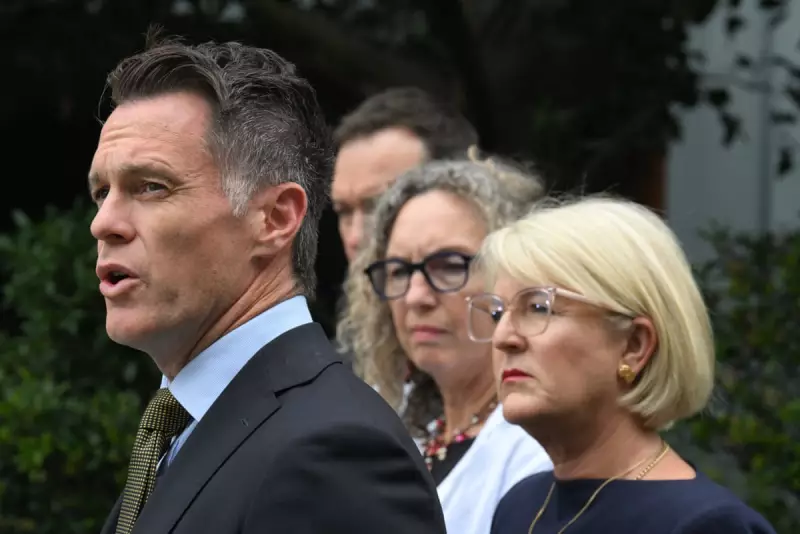
In a swift and decisive response to the recent Bondi beach terror attack, New South Wales Premier Chris Minns has recalled the state parliament to rush through a significant package of legislative changes. The move, aimed at bolstering public safety, has ignited intense debate across the political spectrum.
Key Legislative Changes in the Terrorism Bill
The proposed legislation, bundled into a single Terrorism and Other Legislation Amendment Bill, represents the most comprehensive overhaul of related laws in years. The NSW Liberals have backed Labor to pass the bill in the lower house, with approval in the upper house expected imminently. However, the Nationals and Greens have voiced strong opposition to specific elements, criticising the rushed process and the scope of the new powers.
Major Firearms Reform
The bill introduces the most substantial changes to NSW's firearms laws since the 1996 Port Arthur massacre. Key measures include imposing strict limits on the number of firearms an individual can own. Recreational license holders will be restricted to four guns, while those with commercial purposes, including farmers, can possess up to ten.

Other critical changes involve reducing standard licence terms from five to two years, mandating Australian citizenship for licensees, and ending the exemption that allowed unlicensed individuals to use firearms at ranges under supervision. The legislation also seeks to reclassify certain firearms, including the types allegedly used in the Bondi attack, to a more restrictive category, effectively prohibiting them for general use. Belt-loaded magazines would be completely banned.
Perhaps most controversially, the bill grants police the power to refuse a licence based on "criminal intelligence or other criminal information" and removes the right to appeal such decisions to the NSW Civil and Administrative Tribunal.
Crackdown on Terror Symbols and Hate Speech
Another pillar of the legislation is a ban on the public display of symbols associated with proscribed terrorist organisations. This would outlaw showing flags or emblems of groups like Islamic State, al-Qaida, and Hamas, with penalties of up to two years' imprisonment or a $22,000 fine. The NSW Liberals have criticised this as too weak, proposing an amendment to increase the maximum jail term to five years.
Controversial New Protest Powers
The most divisive aspect of the bill concerns new police powers to manage public assemblies following a declared terrorist incident. The Police Commissioner would be empowered to issue a "public assembly restriction declaration" for a specified area, valid for up to 90 days on a rolling basis. While not an outright ban, it would strip protests of legal authorisation, leaving participants liable for offences like obstructing traffic.
The government insists these powers are not intended to stop peaceful gatherings or quiet reflection. However, Greens justice spokesperson Sue Higginson condemned them as "the most draconian, authoritarian anti-protest laws this country has ever seen." The laws are designed to apply retrospectively to protests following the Bondi attack if passed in time.
Political Fallout and Constitutional Concerns
The legislative package has exposed clear political fractures. The Nationals oppose the bill primarily due to the impact of gun restrictions on farmers, while supporting the hate speech and protest measures. The Greens, meanwhile, strongly oppose the protest provisions and plan to move amendments in the upper house.
Constitutional law expert Professor Anne Twomey noted that the rushed nature of the laws makes them more vulnerable to legal challenge. The legislation will be subject to a review by the Police Minister after two years, a timeline criticised by civil liberties groups as insufficient given the extraordinary powers granted.
As NSW parliament moves to enact these changes with unprecedented speed, the balance between enhancing security and protecting democratic freedoms remains at the heart of a fierce and ongoing debate.