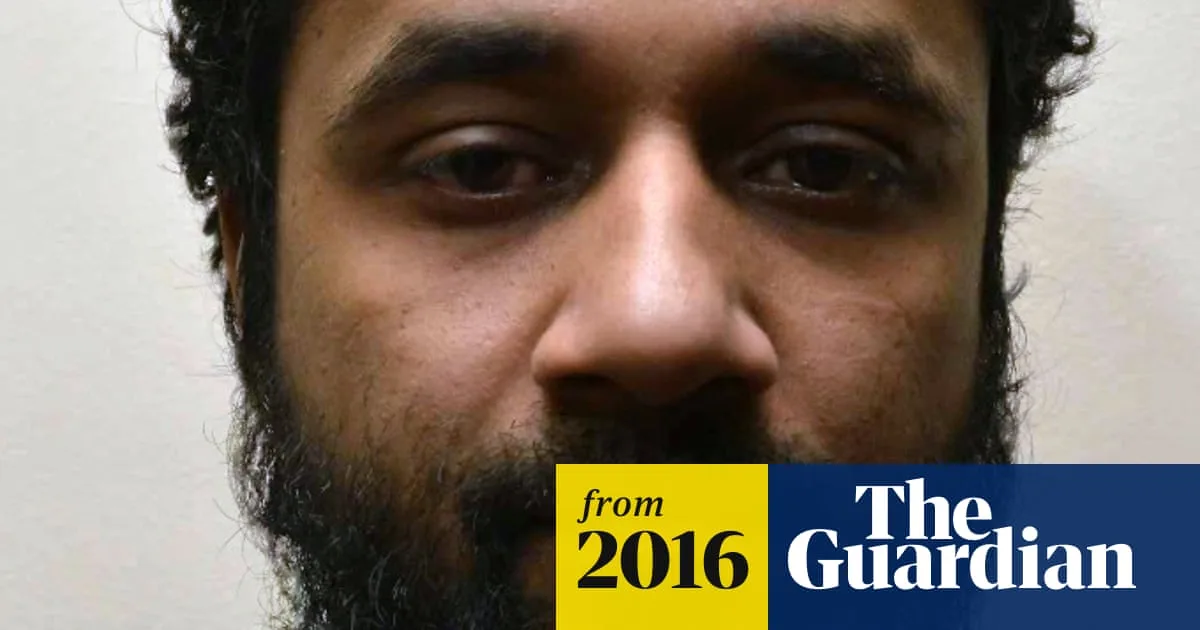
A 20-year-old London man has been found guilty of possessing and sharing Islamist extremist material following a trial at the Old Bailey.
Arrest and Investigation
Shuja Gibraeel Mohsin was stopped by counter-terror police at Heathrow Airport in January 2024 upon returning from a trip to Pakistan. Although initially released, officers confiscated his phone and a USB stick. Subsequent examination revealed his membership in group chats and access to material linked to extremist groups including the Taliban, Hamas, and Islamic State (IS). Police also discovered a bomb-making manual and videos of IS executions on his devices.
Mohsin was arrested in March 2024, and his computer was seized. He was later rearrested in July 2024 and questioned about the material found. The Crown Prosecution Service authorised charges in April 2025.

Trial and Conviction
Following a two-week trial, Mohsin was found guilty on June 19 at the Old Bailey. He was convicted on three counts: one count of possession of a document likely to be useful to a terrorist under section 58 of the Terrorism Act 2000 (relating to the bomb-making manual), and two counts of dissemination of terrorist material under section 2 of the Terrorism Act 2006 (relating to IS execution videos shared with an online contact).
Sentencing is scheduled for August 14.
Police Comments
Commander Helen Flanagan, head of Counter Terrorism Policing London, stated: “Our investigation showed that Mohsin was being drawn into extremist and terrorist material and ideologies from when he was only 14 or 15 years old. This is reflective of a growing trend and concern over children and young people being radicalised and accessing extremely dangerous and violent terrorist ideologies and material online.”
She urged parents and carers to monitor children's online activities: “It’s vital that parents and carers are aware of what children are doing on the internet. I would implore you to have conversations, to be inquisitive about what your children are doing online, and if you have any concerns, then there is help available to you via the ACT Early website. Otherwise, there are very clear and serious consequences for those who are involved in downloading or sharing terrorist content online, a reality that Mohsin is now facing.”
For information on signs of radicalisation and how to contact police, visit the ACT Early website.