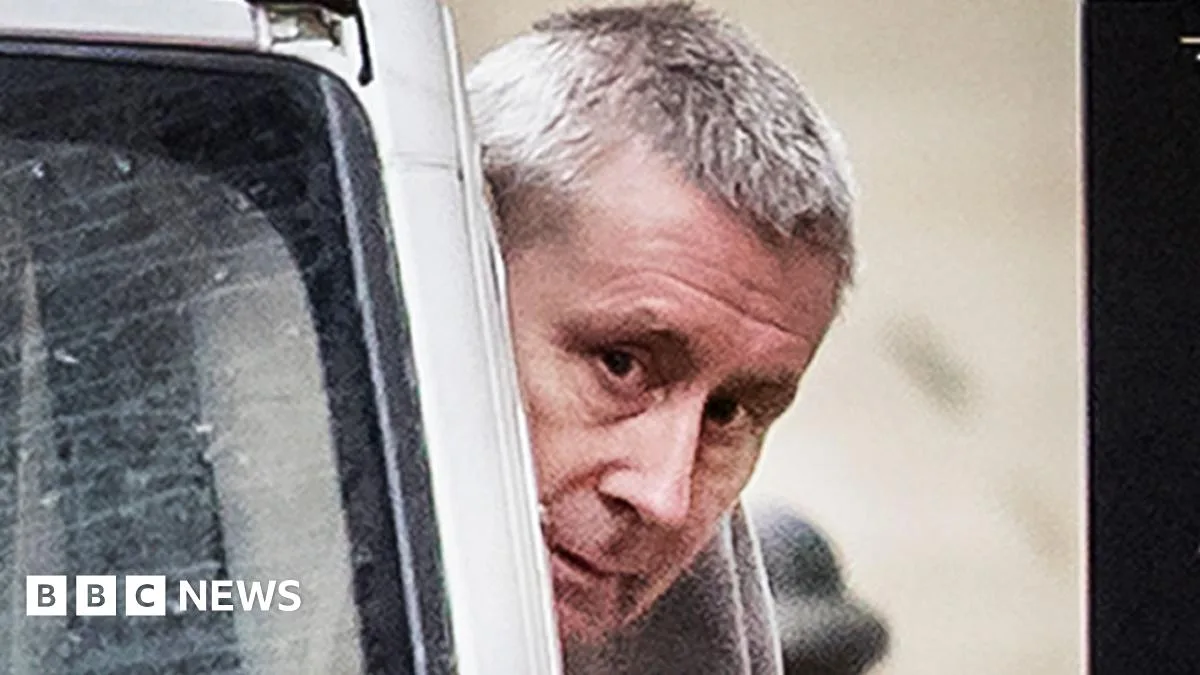
The High Court has quashed a Parole Board decision to release the rapist John Worboys, prompting the board's chairman, Nick Hardwick, to resign. The ruling followed a legal challenge brought by two of Worboys' victims, whose bravery was praised by the Parole Board. Worboys, 60, has served 10 years of an indeterminate sentence.
One victim, identified as DSD, said she was "thrilled" with the result and confident the board would "make the right decision next time because the information will be put in front of them." The case will now be referred back to a new Parole Board panel for a fresh determination, and Worboys remains in prison.
In his resignation letter, Professor Hardwick said he was "sorry for the mistakes that were made in this case," adding that Justice Secretary David Gauke had told him his position was now "untenable." However, barrister Phillippa Kaufmann QC, who represented the victims, argued that the problem did not lie "solely at the feet of the Parole Board." She said Hardwick had been "scapegoated" for wider failings, noting that the Ministry of Justice had failed to provide material on Worboys' alleged offences.

Worboys, now known as John Radford, was convicted of one rape, five sexual assaults, one attempted assault, and 12 drugging charges. Police believe he committed crimes against more than 100 women between 2002 and 2008. The High Court judges stated the Parole Board "should have undertaken further inquiry into the circumstances of his offending."
Justice Secretary Gauke congratulated the victims on their "unprecedented legal action" and announced plans to make the Parole Board system more transparent. Prime Minister Theresa May said the ruling raised "serious concerns" and agreed that victims should not have had to face their attacker in court. Shadow justice secretary Richard Burgon called for an independent review, while London Mayor Sadiq Khan said the decision would bring "some reassurance to the victims and to all Londoners."
The ruling is considered landmark, clarifying that alleged offences can be considered in parole hearings if dealt with fairly. The judges expressed concern that allegations for which Worboys was not prosecuted were not addressed by the panel, leaving his apparent honesty insufficiently scrutinised. The case has raised questions about why psychologists and panel members did not examine these issues.