Britain's flagship counter-terrorism programme is facing a dramatic shift in focus as new figures reveal far-right extremism cases have reached unprecedented levels. According to exclusive data obtained from Whitehall sources, referrals to the Prevent strategy concerning right-wing terrorism have surged by a staggering 40% in just twelve months.
The statistics show that far-right cases now constitute more than a quarter of all terrorism-related interventions, marking a significant evolution in the nature of threats facing the United Kingdom. This alarming trend represents the highest proportion ever recorded since the programme's inception.
Changing Landscape of UK Extremism
Counter-terrorism experts are describing this development as a "fundamental transformation" in Britain's security landscape. The data indicates that while Islamist extremism remains the single largest concern for security services, the rapid growth of far-right radicalisation is demanding increasing attention and resources.

One senior security official, speaking on condition of anonymity, revealed that counter-terrorism units are having to "rapidly adapt their tactics and training" to address this escalating threat. The shift has prompted urgent reviews of deradicalisation programmes and intervention strategies across multiple government departments.
Regional Hotspots and Prevention Efforts
Analysis of the referral patterns shows particular concentrations of far-right activity in specific regions, though security officials have declined to identify exact locations to avoid compromising ongoing operations. Community outreach programmes are being intensified in areas identified as potential recruitment grounds for extremist groups.
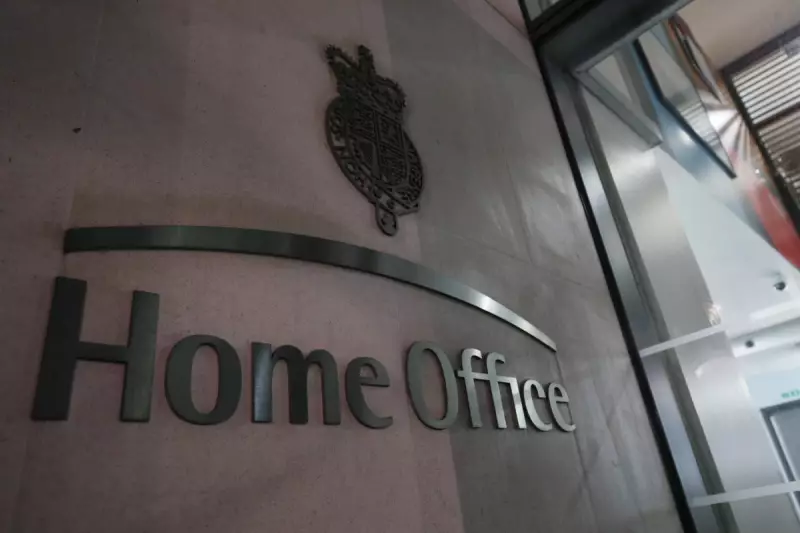
The Home Office has confirmed that additional funding is being allocated to specialist teams dealing with right-wing radicalisation, while training for frontline services – including teachers, healthcare workers and social services – is being updated to better identify warning signs.
Broader Implications for National Security
This dramatic increase comes amid broader concerns about the polarisation of political discourse and the proliferation of extremist content online. Security ministers have been briefed on the potential for overlapping threats, where individuals may be influenced by multiple extremist ideologies simultaneously.
Counter-terrorism coordinators emphasise that the rising numbers reflect both improved identification methods and genuine growth in extremist activity. The situation has triggered debates within security circles about resource allocation and whether current legislative tools are sufficient to address this evolving challenge.
As one Whitehall insider noted: "The face of terrorism in Britain is changing, and our defences must change with it. These figures aren't just statistics – they represent real people being drawn into dangerous ideologies that threaten community cohesion and national security."