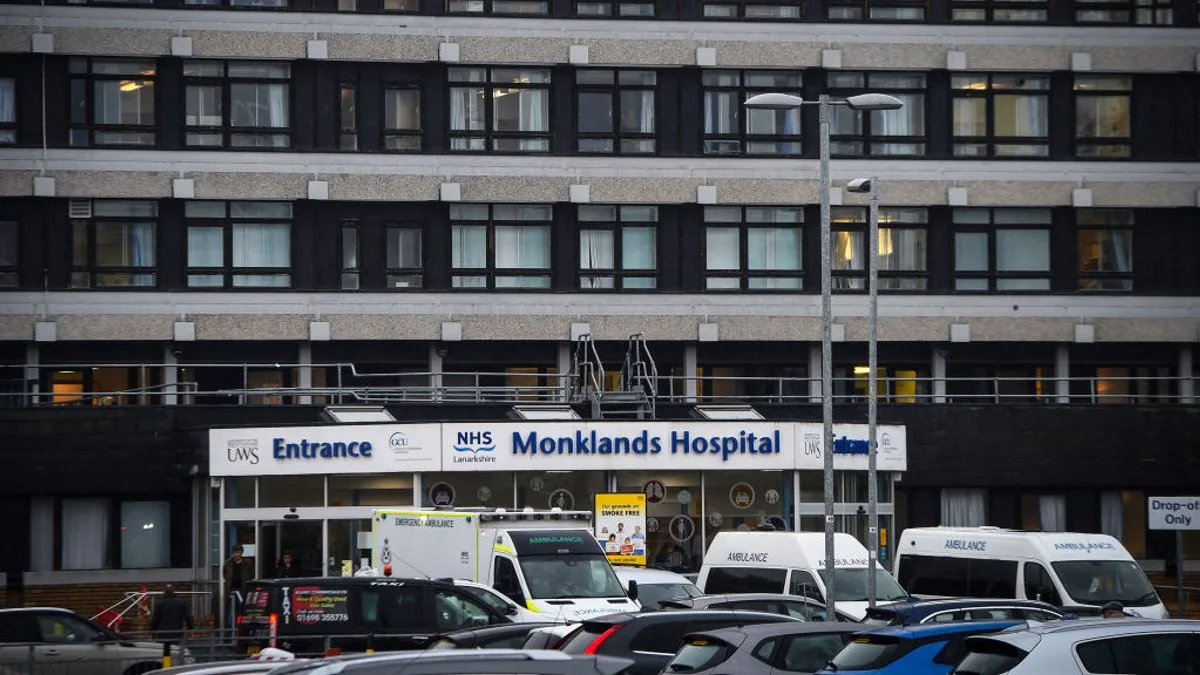
SNP's Justice Policy Under Fire as Prison Release Threshold Faces Further Reduction
SNP Justice Policy Criticised Over Prison Release Plans

The fundamental duty of any government to deliver impartial justice and ensure public protection stands in stark contrast to what critics describe as the Scottish National Party's woeful record on justice matters. The administration's approach has been characterised as soft-touch, marked by failures to adequately support victims, a concerning casualness towards assaults and drug offences, and an inability to provide sufficient prison capacity to deal with perpetrators effectively.

Controversial Consultation on Sentence Reduction

Yesterday witnessed another contentious development when Justice Secretary Angela Constance announced a consultation proposing to reduce the automatic release point for prisoners. This policy shift could see many individuals freed after serving a mere thirty per cent of their original sentence, a move that has sparked significant controversy and concern across the political spectrum.

A Policy of Repeated Failure

This approach of effectively flinging open prison doors has already demonstrated its shortcomings. During the summer of 2024, the SNP government oversaw the early release of hundreds of prisoners, with television news reports capturing criminals celebrating their unexpected freedom. Alarmingly, within weeks, more than ten per cent had breached their release conditions and returned to custody.

Wide Pickt banner — collaborative shopping lists app for Telegram, phone mockup with grocery list

This outcome strongly indicated that the policy – initially presented by Ms Constance as a last resort emergency response to critical prison overcrowding – was fundamentally flawed. Within three weeks of the releases, prisons had returned to overcapacity status, demonstrating the policy's inability to address systemic issues.

From Emergency Measure to Ongoing Strategy

By October, the Justice Secretary returned to parliament to announce that early prisoner releases would continue as an ongoing strategy, with planned tranches of releases over subsequent months. This marked a significant shift from temporary emergency measure to established policy approach.

Yesterday's proposal to formally reduce the release threshold from forty to thirty per cent represents a further escalation. If approved by parliament, this would establish a new norm where criminals serving sentences under four years could return to the streets after serving less than one third of their punishment.

Systemic Failures and Mounting Pressures

Scotland's prison service faces colossal pressure on multiple fronts. Staff morale continues to plummet due to perceived neglect and inadequate support from the SNP government, while violence and overcrowding have become endemic problems within the system.

Ministers have shown willingness to pursue legal action to maintain male prisoners in female estate facilities, while critics argue they ignore the fundamental issue of overcrowding that has worsened progressively during their tenure.

Infrastructure Delays and Soaring Costs

New prison facilities in Glasgow and the Highlands, originally intended to resolve capacity issues, are years behind schedule and hundreds of millions over budget. The replacement costs for Barlinnie Prison have escalated to nearly ten times original estimates, now approaching a billion pounds, with completion still at least three years away.

Even when operational, the new facility will lack the increased capacity required to address current pressures, though it will feature landscaped gardens, bird boxes, coffee shops and other amenities that critics argue demonstrate misplaced priorities.

Victims' Rights and Ministerial Conduct

The SNP government has faced criticism for what opponents describe as a Victims Bill in name only, rejecting Scottish Conservative proposals for an inquiry into grooming gangs and failing to implement measures ensuring victims are informed about prosecution decisions and plea deals.

Justice Secretary Angela Constance has herself faced scrutiny, having been found to have twice breached the ministerial code by the First Minister's independent advisers. She misled parliament by misrepresenting the views of a grooming gangs expert to obstruct Scottish Conservative attempts to establish an inquiry similar to that reluctantly agreed by the UK Government in England.

Pickt after-article banner — collaborative shopping lists app with family illustration

Leadership Questions and Political Judgment

Despite these breaches – involving misleading parliament and failing to correct the record promptly – First Minister John Swinney has refused to dismiss Ms Constance, raising questions about political judgment and priorities. Critics argue this demonstrates a pattern of putting partisan interests before proper governance, mirroring what they describe as an obsession with promoting Scottish independence above all else.

Yesterday's announcement represents a desperate extension of a demonstrably failed policy, confirming that the Justice Secretary has exhausted both options and ideas. For victims, the public, and the justice system itself, this development represents what opponents characterise as a profound betrayal and a disgraceful admission of policy failure.