Mexico's High-Stakes Gamble: The Killing of Cartel Kingpin El Mencho
Mexican authorities have scored their most significant blow against organized crime since 2016 with the killing of Nemesio Oseguera Cervantes, the notorious leader of the Jalisco New Generation Cartel (CJNG). Known universally as El Mencho, the cartel boss died in custody on February 22, shortly after his capture in an operation that appears to have relied heavily on American intelligence support.
A Political Victory with Dangerous Consequences
While the operation against El Mencho may provide Mexico with a political win in its relations with Washington—particularly amid renewed U.S. pressure for action against fentanyl trafficking—experts warn this should not be mistaken for a strategic victory. The CJNG remains one of Mexico's most powerful criminal organizations, central to the production and trafficking of fentanyl alongside the Sinaloa cartel.
What often follows the removal of such high-profile cartel figures is an extended period of violence and instability, as criminal groups fracture, reorganize, and battle for supremacy. This pattern has repeated throughout Mexico's decades-long drug war, with state enforcement actions frequently creating the very conditions that allow new criminal enterprises to emerge.
The Kingpin Strategy's Violent Legacy
Research into Mexico's so-called kingpin strategy—the deliberate targeting of cartel leaders by law enforcement—reveals a troubling pattern. Studies consistently show that detentions and killings of criminal bosses trigger short-term spikes in homicides and instability. Some research indicates violence escalates for months following a leader's removal, while other work suggests killings provoke even sharper increases than arrests.
This violence emerges because affected cartels face sudden succession struggles, employing brutality to prevent rivals from testing new leadership or renegotiating territorial control. Without access to formal legal systems to resolve disputes, criminal organizations resort to open violence and coercion-enforced bargains.
El Mencho's Own Rise Through Enforcement Cycles
Ironically, El Mencho's own ascent to power demonstrates how enforcement actions can inadvertently strengthen criminal networks. Research tracing criminal conflict in Mexico's Tierra Caliente region reveals how earlier rounds of arrests and state killings reshaped local criminal groups, broke alliances, and created openings for new players.
El Mencho began as an operational figure with the Valencia cartel based in Michoacán. After sustained pressure from authorities dismantled key parts of the Valencia network around 2010, El Mencho and other remnants moved north to Jalisco and founded the CJNG. The very conditions that allowed the CJNG to rise came from the same enforcement repertoire now deployed against it.
The Immediate Aftermath and Long-Term Risks
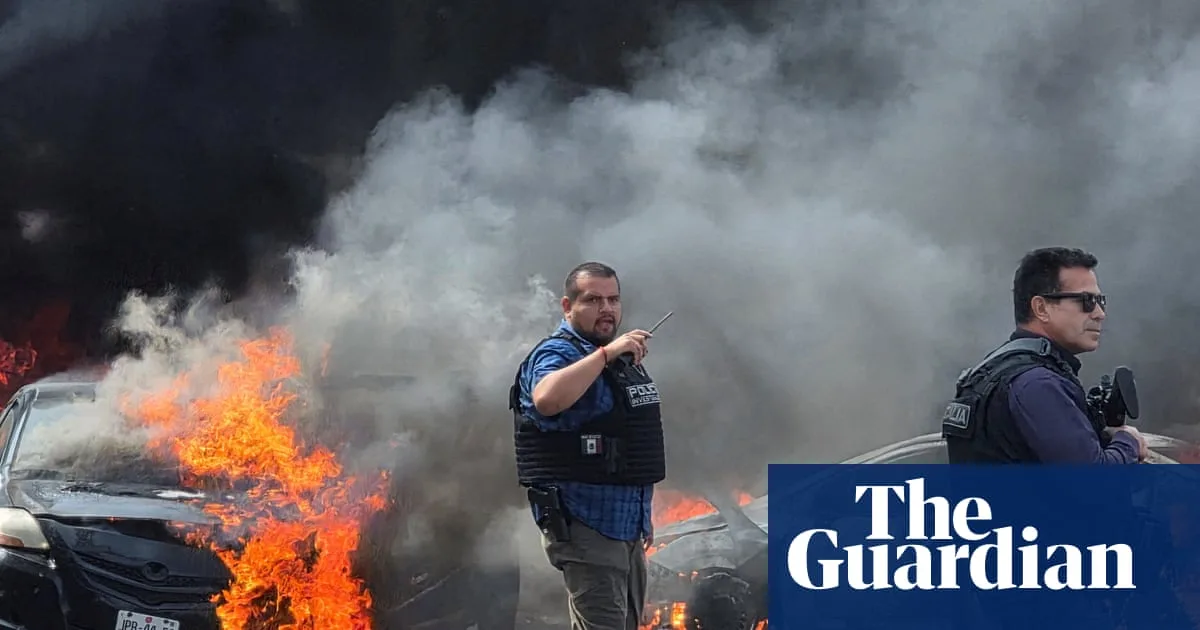
Reports following El Mencho's death already show cartel gunmen blocking roads, launching arson attacks, and causing disruptions across multiple states—a familiar script of affected organizations signaling capacity, punishing the state, and warning rivals not to seize the moment.
Even if authorities contain this initial wave of violence, deeper risks remain. Leadership vacuums invite internal fractures and external opportunism from rivals waiting to test boundaries and settle scores. The 2024 detention of Sinaloa cartel leader Ismael "El Mayo" Zambada has already provoked significant violence in Sinaloa state as different factions battle for control.
The U.S. Influence on Mexico's Drug War
Another repeating cycle across Latin America involves U.S. drug politics shaping regional security agendas. Surges in overdose deaths often trigger political panic in the United States, leading to pressure on Latin American governments for militarized enforcement actions.
These governments typically respond with crackdowns, raids, and high-profile captures, followed by rising violence as criminal organizations fragment. After a period, governments attempt to deescalate, only for the cycle to restart when concern over drug trafficking next arises in Washington.
Beyond Enforcement: Rethinking Success Metrics
Drug prohibition maintains this destructive cycle by limiting responses to force and criminal law while failing to produce meaningful results. Despite governments reporting rising drug seizures annually, deaths linked to drug use continue climbing globally.
Mexico's security forces cannot eliminate a transnational market financed largely by U.S. demand, regardless of how many high-profile arrests they make. Operations that kill or detain cartel figures instead redirect and reorganize the drug trade while often intensifying violence.
If Mexico and the United States genuinely seek fewer cartel-related deaths, they must stop treating kingpin killings as the primary metric of success. While high-profile strikes may temporarily satisfy political pressure, it is Mexican citizens who consistently bear the violent blowback of this approach.