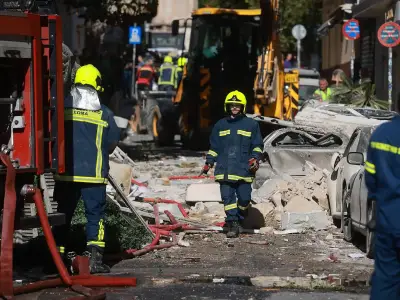
Nine individuals accused of perpetrating a devastating assault in north-central Nigeria have been formally arraigned before a federal court, facing charges linked to the deaths of more than 150 people. The defendants entered pleas of "not guilty" to the allegations concerning the June 2025 attack on Yelewata, a community located within the Guma area of Benue state.
Serious Charges and Potential Sentences
The accused are confronting a total of 57 separate counts related to acts of terrorism. Should they be found guilty, the potential penalties are severe, ranging from life imprisonment to the death sentence. This legal action represents a significant step in the judicial process following the horrific incident.
Government Vows to Pursue Justice
In a statement released on Sunday, presidential spokesperson Kamarudeen Ogundele emphasised the government's commitment to a thorough legal process. He highlighted the "painstaking investigation and collaboration by government agencies" that preceded the court proceedings.
"The office of the Attorney General of the Federation and Minister of Justice wishes to assure Nigerians that justice will be ensured in the matter to send a strong signal to the enemies of the country, acting under any disguise," Ogundele stated, underscoring the official stance on the case.
Context of Nigeria's Deepening Security Crisis
This arraignment occurs against the backdrop of a multifaceted and severe security emergency gripping Nigeria. The nation contends with an ongoing Islamist militant insurgency in its northeastern territories, compounded by a worrying surge in kidnappings for ransom carried out by armed groups across the northwest and north-central regions in recent months.
Attacks similar to the Yelewata massacre are tragically commonplace in Nigeria's northern areas. These often stem from protracted and violent clashes between local farming communities and nomadic herders, who compete for increasingly scarce land and water resources. Analysts and authorities note that this longstanding conflict has grown more lethal in recent years, with reports indicating that more herdsmen are resorting to armed violence.
International Dimensions and Religious Tensions
The security situation has drawn international attention and intervention. In December 2025, the United States conducted airstrikes in northern Nigeria, targeting fighters it alleged were affiliated with the Islamic State group. This action followed accusations that Nigerian authorities had failed to adequately prevent attacks on Christian communities.
Indeed, Nigeria has documented a noticeable increase in assaults targeting churches in its northern regions, adding a layer of religious tension to the complex security landscape. In response to these challenges, the U.S. has committed to delivering previously purchased military equipment to Nigeria, including drones, helicopters, and various support systems, intended to bolster counter-terrorism efforts, though this material has reportedly experienced delays in arrival.
The commencement of this high-profile trial marks a critical moment for Nigeria's judiciary and its broader struggle to address pervasive violence and ensure accountability for mass atrocities.