Suspect Enters New Guilty Plea in Case of Missing Navajo Grandmother Ella Mae Begay
A man charged in the disappearance of a Navajo grandmother has pleaded guilty to robbery as part of a second plea agreement reached with prosecutors, a development that has sparked controversy among the victim's family members. The case of Ella Mae Begay, who vanished in 2021, has drawn national attention to the crisis of violence against Native Americans.
Details of the Plea Agreement and Sentencing
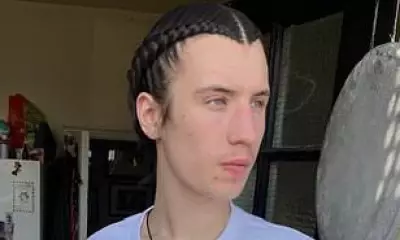
Preston Henry Tolth, 26, entered his guilty plea during a hearing in Phoenix on Thursday, April 16, 2026. Under the proposed agreement, he could face a maximum sentence of five years in federal prison, with credit for three years already served. U.S. District Judge Douglas Rayes questioned Tolth during the proceeding, asking if he was pleading guilty because he was truly responsible for the crime. Tolth responded affirmatively, stating, "Yes, your honor."
The agreement requires Tolth to acknowledge using force to steal Ella Mae Begay's pickup truck, striking her in the face multiple times, and abandoning her on the side of the road before driving away and later selling the vehicle for money and methamphetamine. Judge Rayes is scheduled to review this latest plea deal in May, which also includes provisions protecting Tolth from future murder or manslaughter charges related to Begay's case.

Background of Ella Mae Begay's Disappearance
Ella Mae Begay was 62 years old when she disappeared in 2021 from Sweetwater, Arizona, a community in the northern part of the Navajo Nation. She was known for spending her days visiting relatives and weaving rugs that she sold to nearby trading posts. Her case has become a focal point for tribal leaders and victim advocates pushing for enhanced law enforcement resources and better cooperation between tribal and federal investigators.
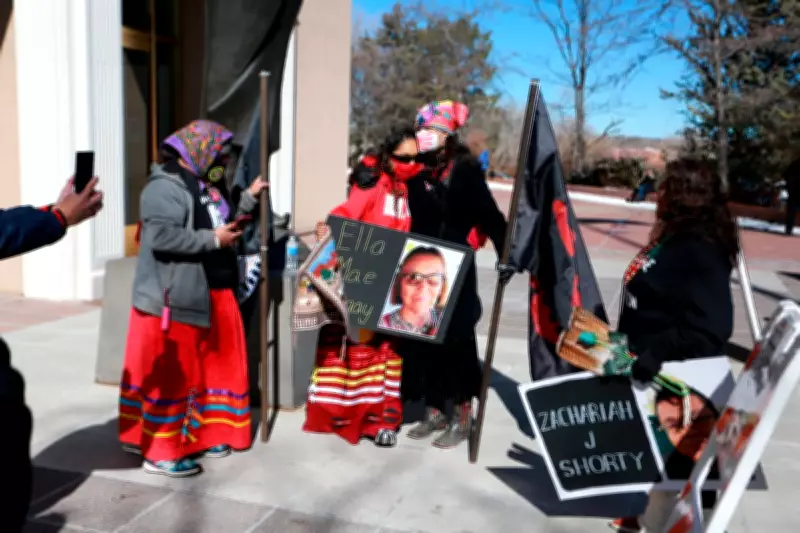
In 2022, Begay's niece, Seraphine Warren, undertook a walk from the Navajo Nation to Washington, D.C., to raise awareness about her aunt's disappearance and the broader issue of high rates of homicides and missing persons cases in Indian Country. This activism has helped fuel national media coverage and advocacy efforts.
Family Opposition and Legal Complexities
Members of Begay's family have expressed strong opposition to the plea agreement, claiming that prosecutors negotiated it against their wishes and without their input. Gerald Begay, Ella Mae's son, took time off from his construction job in Denver to listen to the hearing by phone. He plans to attend the next court session and ask Judge Rayes to reject the plea deal, hoping instead for a trial. "The prosecutors aren't thinking about our rights or what we need as a family," he told The Associated Press.
The legal proceedings have been marked by significant challenges. In a 2021 FBI interrogation, Tolth confessed to attacking Begay in a fit of anger and leaving her for dead. However, Judge Rayes ruled that confession inadmissible in court, stating that an FBI agent had unlawfully coerced Tolth into waiving his right to remain silent. Prosecutors acknowledged in court filings that this ruling significantly weakened the government's case.
Earlier this month, Judge Rayes rejected a prior agreement that would have released Tolth from federal custody with a sentence of three years of time served in exchange for a guilty plea. This rare move came after Begay's grieving family members testified, arguing that Tolth should not be freed without leading investigators to her remains. Seraphine Warren emphasized, "Accountability is not time served. It's about truth, and we still don't have the truth."
Official Responses and Broader Implications
The U.S. Attorney's Office for the district of Arizona did not respond to an emailed request for comment on the case, while Tolth's public defender declined to comment. The developments underscore ongoing tensions in cases involving missing and murdered Indigenous people, highlighting calls for justice and systemic change in how such investigations are handled.